Inscribed in 2025 (20.COM) on the Representative List of the Intangible Cultural Heritage of Humanity
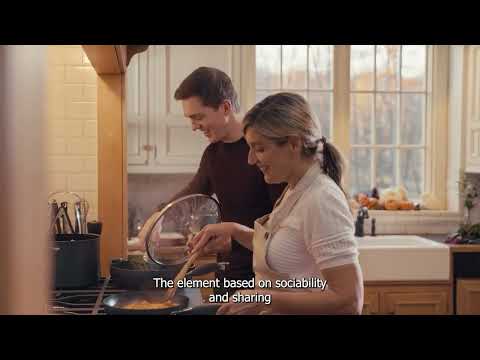
A cultural and social blend of culinary traditions, the element is associated with the use of raw materials and artisanal food preparation techniques. It is a communal activity that emphasizes intimacy with food, respect for ingredients, and shared moments around the table. The practice is rooted in anti-waste recipes and the transmission of flavours, skills and memories across generations. It is a means of connecting with family and the community, whether at home, in schools, or through festivals, ceremonies and social gatherings.
People of all ages and genders participate, exchanging recipes, suggestions and stories, with grandparents often passing down traditional dishes to their grandchildren. The knowledge and skills related to the element are transmitted both informally within families and formally in schools and universities. Beyond cooking, practitioners view the element as a way of caring for oneself and others, expressing love and rediscovering one’s cultural roots. It gives communities an outlet to share their history and describe the world around them. It also helps safeguard specific cultural expressions, such as language and gestures. The practice thus fosters social inclusion while promoting well-being and offering a channel for lifelong, intergenerational learning. It also strengthens bonds, encourages sharing, and promotes a sense of belonging.


