Inscribed in 2025 (20.COM) on the Representative List of the Intangible Cultural Heritage of Humanity
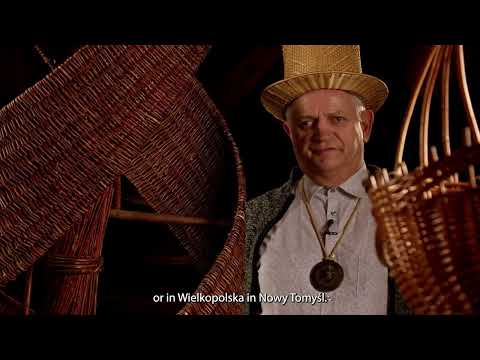
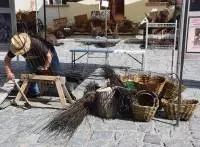
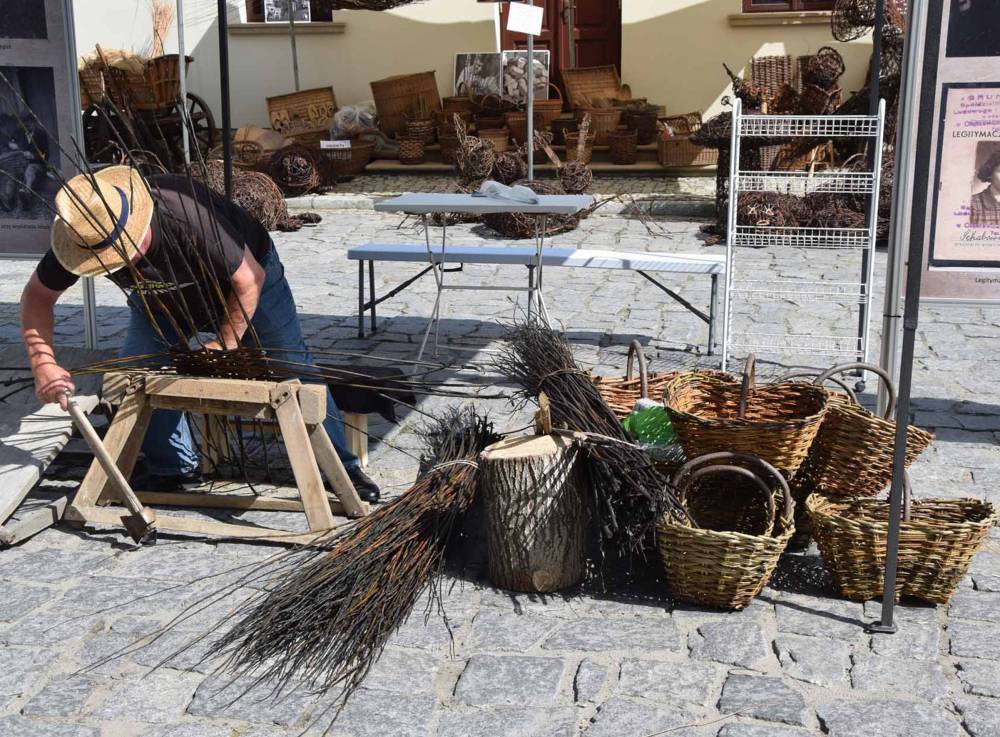
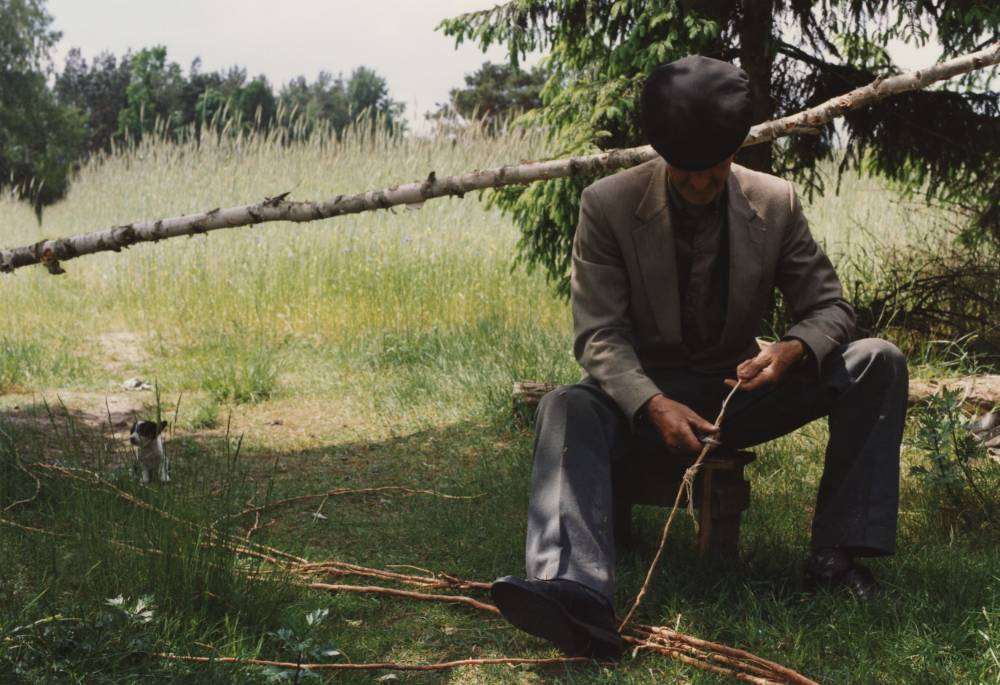
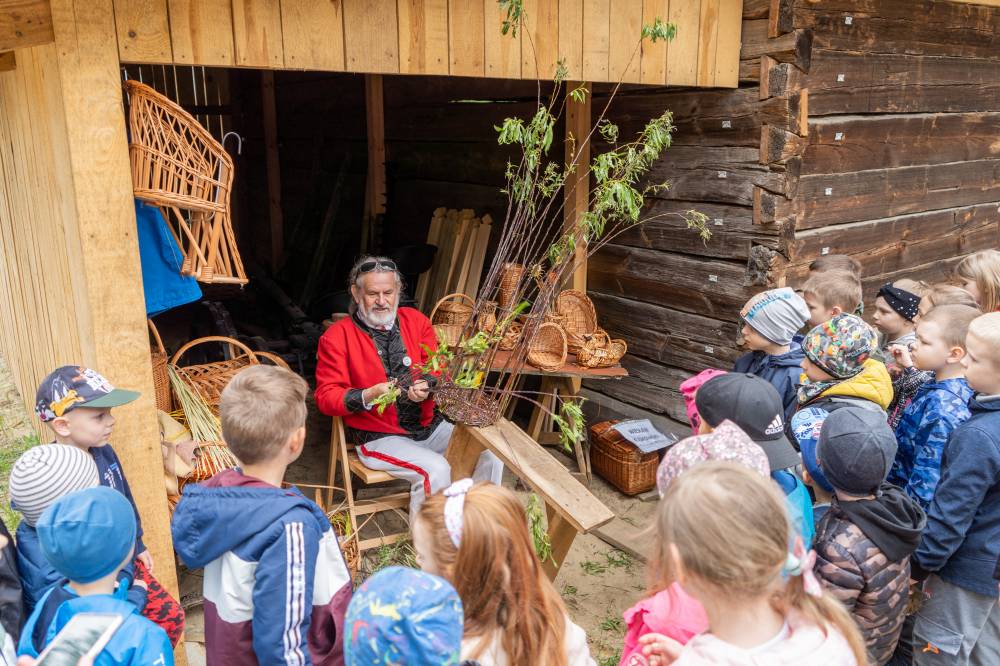
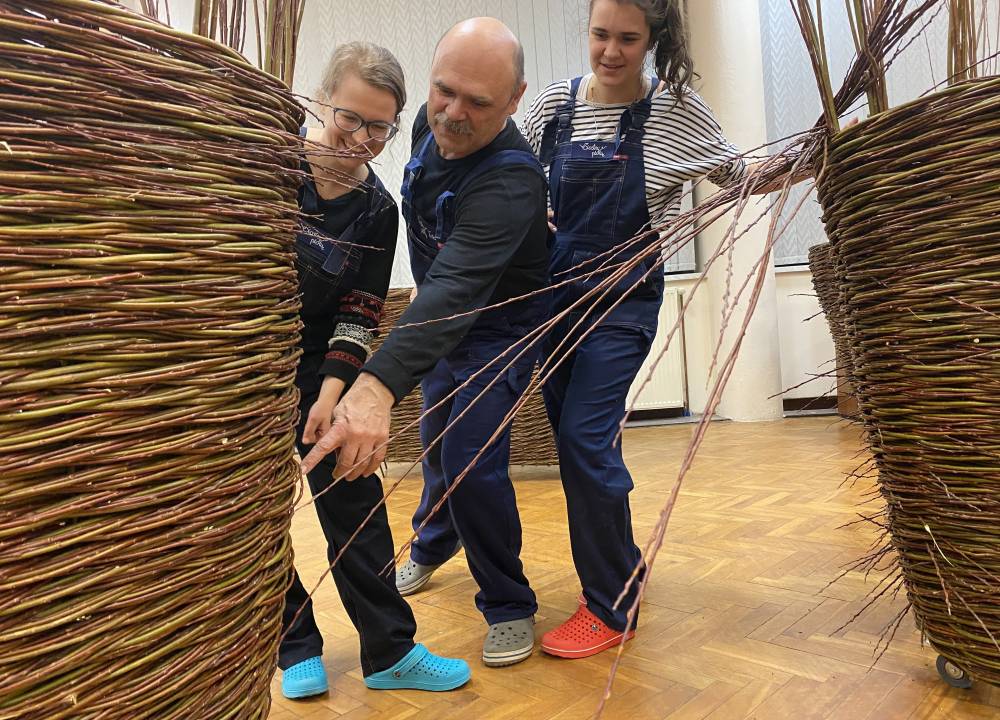
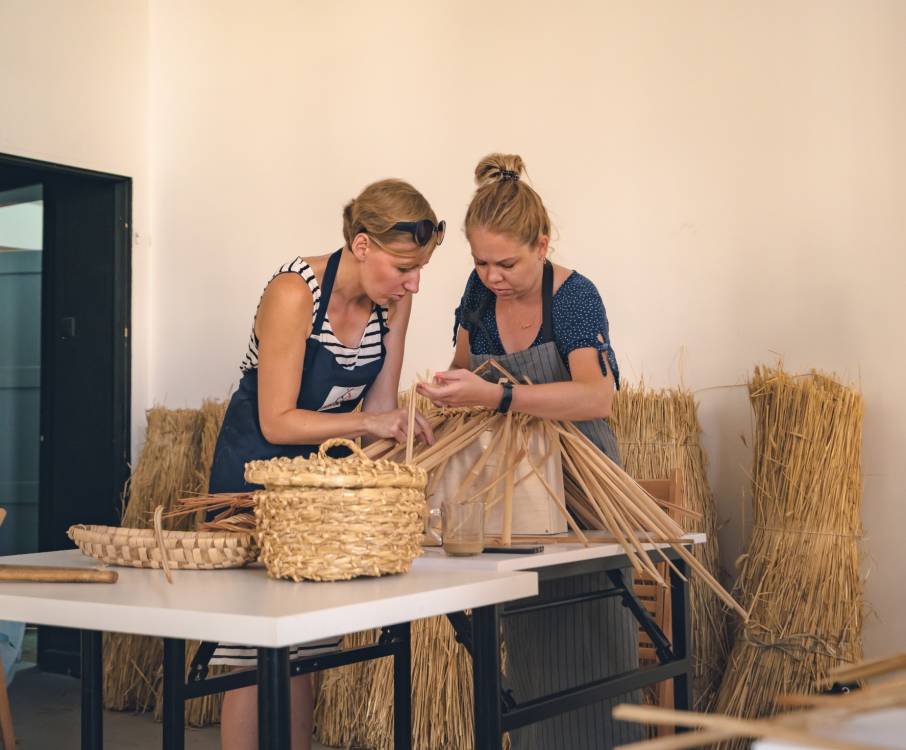
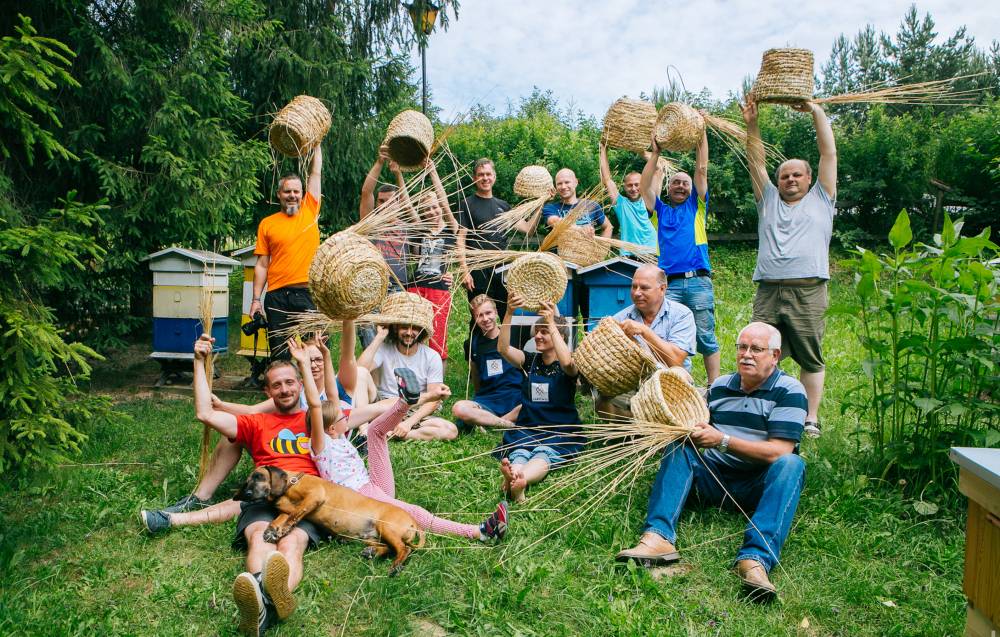
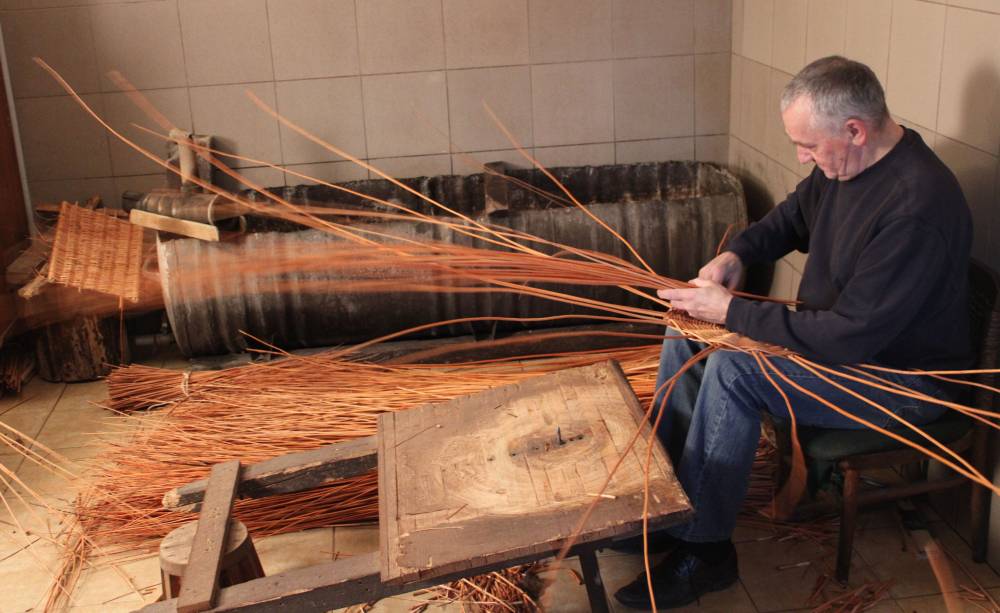
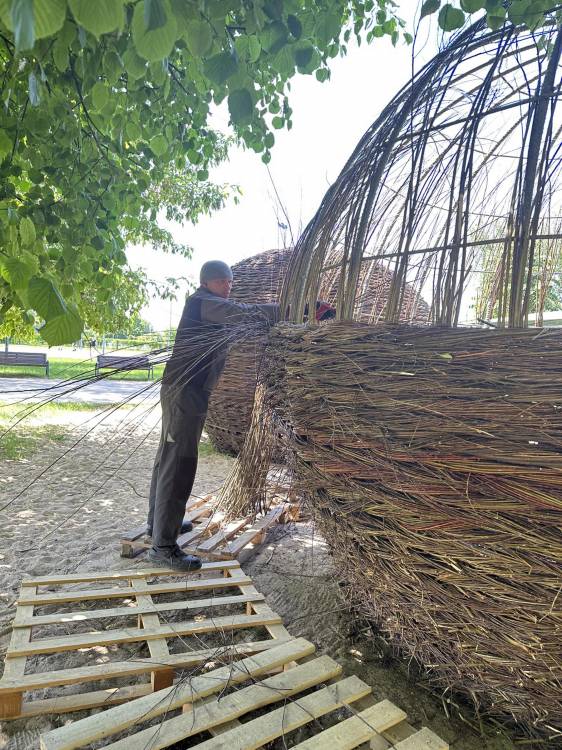
Basketry is the art of using natural materials such as wicker, roots, straw, cattail, linden bark and bast to weave practical items and decorations. It is practised by people of all genders. Some weavers work independently, while others are commissioned by businesses. Many certified weavers lead organizations and offer courses or open workshops. Although weavers typically work in home workshops, they are active in their local communities, sharing the craft and promoting its cultural importance through events such as contests, fairs and exhibitions.
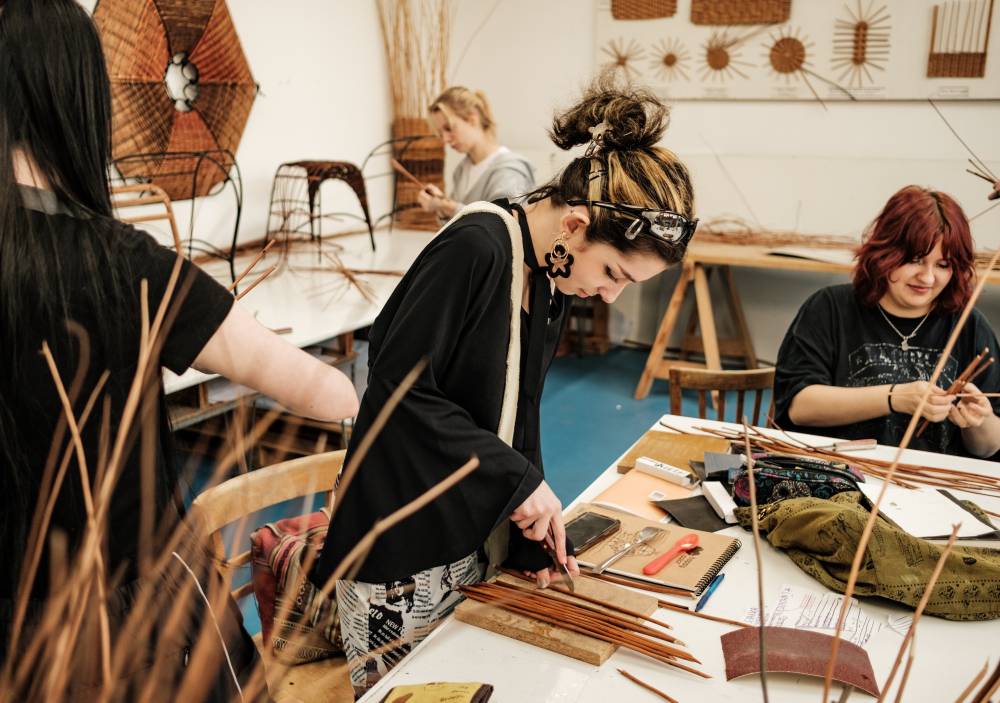
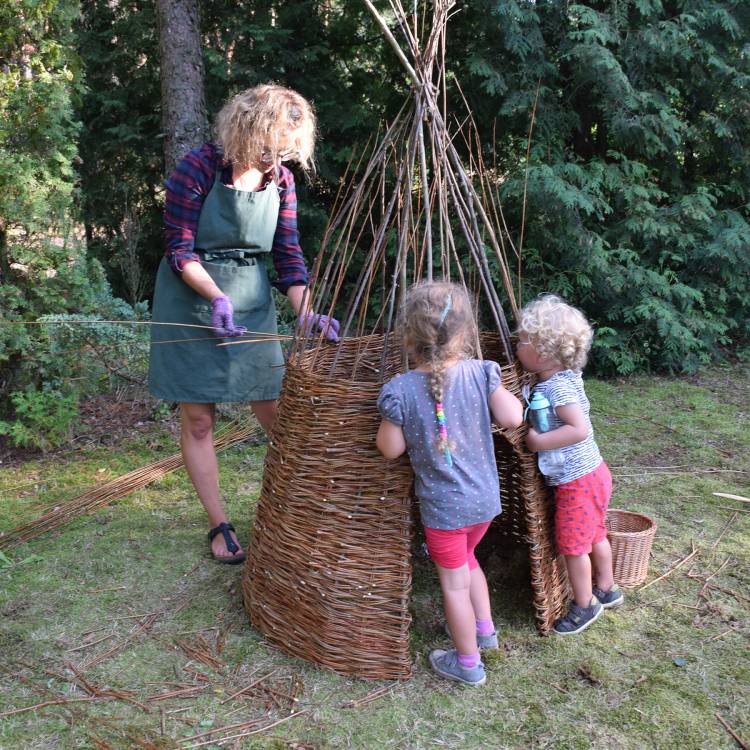
A source of pride for local communities, basketry is passed down through generations, with older weavers teaching younger ones, often within families, schools or workshops. In families, children learn by watching and imitating older weavers. Schools and open workshops also teach weaving techniques, raw material preparation, and the use of tools. Some certified masters lead formal classes, following structured programmes in schools and other educational settings. Cultural groups and institutions also organize workshops to keep the tradition alive. Because basketry depends on the availability of local materials, it is deeply connected to the environment and promotes sustainability. It also helps support local economies, with weavers earning extra income by making and selling their products.