Report on the status of an element inscribed on the list of intangible cultural heritage in need of urgent safeguarding
A. Cover sheet
A.1.
State Party
Name of State Party
Türkiye
A.2.
Date of deposit of the instrument of ratification, acceptance, approval or accession
This information is available online.
Date of deposit of the instrument of ratification, acceptance, approval or accession
2006-03-27
A.3.
Element inscribed on the Urgent Safeguarding List that is the subject of this report
Name of element
Whistled language
Inscribed in
2012
Submitting State(s)
Türkiye
A.4.
Reporting period covered by this report
Please indicate the period covered by this report.
Reporting period covered by this report
15-12-2021 - 15-12-2025
A.5.
Other elements inscribed on the Urgent Safeguarding List, if any
Please list all other elements from your country inscribed on the Urgent Safeguarding List, together with the year of inscription; for multinational elements, please indicate the other States concerned.
Other elements inscribed on the Urgent Safeguarding List, if any
Traditional Ahlat stonework (2022)
Traditional knowledge, methods and practices concerning olive cultivation (2023)
A.6.
Executive summary of the report
Please provide an executive summary of the report that will allow general readers to understand the current status of the element, any positive or negative impacts of inscription, the implementation of safeguarding measures during the reporting period and their possible update for the following years.
Executive summary of the report
Whistled Language, was inscribed in 2017 on the UNESCO List of Intangible Cultural Heritage (ICH) in Need of Urgent Safeguarding. However, first periodic reporting cycle coincided with the global pandemic situations in the region (2020-2021). With the inscription, as a positive impact, the bearers and practitioners encouraged and ensured its practice among younger generations during pandemic restrictions as means of social solidarity and cooperation. The elders of the community turned these negative conditions into an opportunity by raising awareness, ensuring viability and encouraging practice of the element among younger generations although social communication applications brought by technology and internet which are widely used in the region.
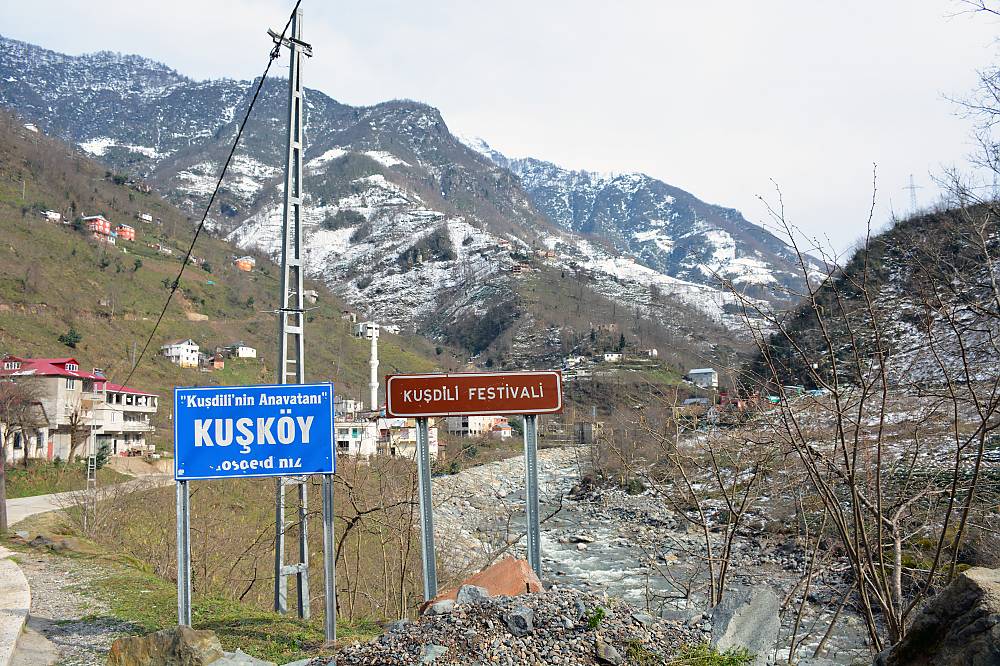
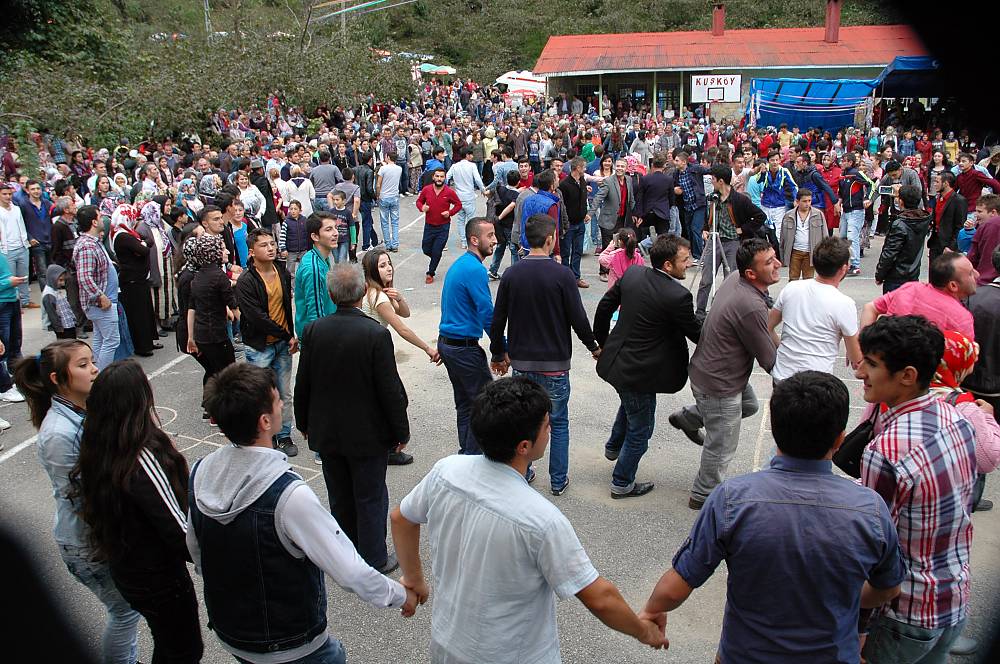
As of 2022, with the global decline of the pandemic and the lifting of restrictions, activities for safeguarding and promoting have started again. One of the most significant activities for whistled language is “Whistled Language Culture and Arts Festival”, which had been held annually before the pandemic, was begun to organize again. The main objectives of this festival, which has been held every year since 1997 with the financial and technical support of the Ministry of Culture and Tourism (MoCT), local administrations and related NGOs, are to ensure viability of the element, raise awareness among younger generations while supporting tourism and the local economies. The festival has many events such as whistled language practicing competitions, seminars with bearers and practitioners, local music concerts, regional food presentations. In 2025, 26th annual festival was held on 6th July with participants from all across Türkiye.
In addition to the festival, the first phase of the “Safeguarding and Promoting of Whistled Language Project”, launched Eastern Black Sea Project Development Administration (DOKAP), was completed in 2022-2023. The first phase of the project, which aims to safeguard and promote the element and increase the region's tourism potential, involved renovating architectural structures in accordance with their original designs.
Training courses aimed to transmit the whistle language to younger generations have begun to organize again during this period. In addition to these courses offered by the Ministry of National Education (MoNE)-Directorate General of LongLife Learning (DGoLL) in the region, private training courses who are interested in whistled language are also being offered at national level after the pandemic.
Following inscription, “Whistled Language Safeguarding Action Plan Workshop” held in October 2019. However, due to the pandemic, some of the actions in this plan could not be implemented. In this context, on June 19, 2025, a revision workshop was organized with the participation of bearers and practitioners, local administrations, academics, related NGOs and experts from MoCT’s Directorate General of Living Heritage and Cultural Activities (DGoLHaCA) in order to update and relaunch this action plan. At this workshop, with the contributions of all participants, actions to be carried out between 2025-2029 to safeguard the element were determined.
Within the scope of this workshop, Türkiye hosted 2 guests from La Gomera Island of the Canary Islands who practice the common element called “Silbo Gomero”. The practitioners of Silbo Gomero visited Kuşköy Village, where Whistled Language is widely practiced in Türkiye. Both practitioners communicated each other by whistled language using Turkish and Spanish. During the visit, both communities had the opportunity to share their knowledge and experiences, establish network aimed at fostering cultural exchange and enhancing international cooperation. Gathering of representatives from different countries sharing the same cultural heritage attracted attention in the local and national press and social media.
Promotional news in mass and new media continued to raise awareness and ensure the viability of the element. News, articles, and columns were published, while social media accounts on Facebook, YouTube, Dailymotion, TikTok, and Instagram remained active.
A.7.
Contact person for correspondence
Provide the name, address and other contact information of the person responsible for correspondence concerning the report.
Title (Ms/Mr, etc.)
Mr
Family name
Kaynakci
Given name
Ahmet Gökhan
Institution/position
Directorate General of Living Heritage and Cultural Activities-Department of Safeguarding of Intangible Cultural Heritage
Address
Ministry of Culture and Tourism
Karanfil Sok. No. 56 06680 Cankaya/Ankara
Telephone number
+90312 4707800
E-mail address
ahmet.kaynakci@ktb.gov.tr
Other relevant information
gokhan.kaynakci@gmail.com ahu.ucar@ktb.gov.tr sokum@ktb.gov.tr
B
Mr
B. Status of element inscribed on the Urgent Safeguarding List
Refer to the nomination file or to previous reports, if any, as the basis for reporting on the current status of the element, and report only on relevant changes since the date of inscription on the List or since the previous report. Nomination files, specific timetables and earlier reports, if any, are available at https://ich.unesco.org or from the Secretariat, upon request.
The State Party shall pay special attention to the role of gender and shall endeavour to ensure the widest possible participation of the communities, groups and, where applicable, individuals concerned as well as relevant non-governmental organizations during the process of preparing this report, and is asked to describe how it has done so in point D below.
B.1.
Social and cultural functions
Please explain the social and cultural functions and meanings of the element today, within and for its community, the characteristics of the bearers and practitioners, and any specific roles or categories of persons with special responsibilities towards the element, among others. Attention should be given to any relevant changes related to inscription criterion U.1 (‘the element constitutes intangible cultural heritage as defined in Article 2 of the Convention’).
Social and cultural functions
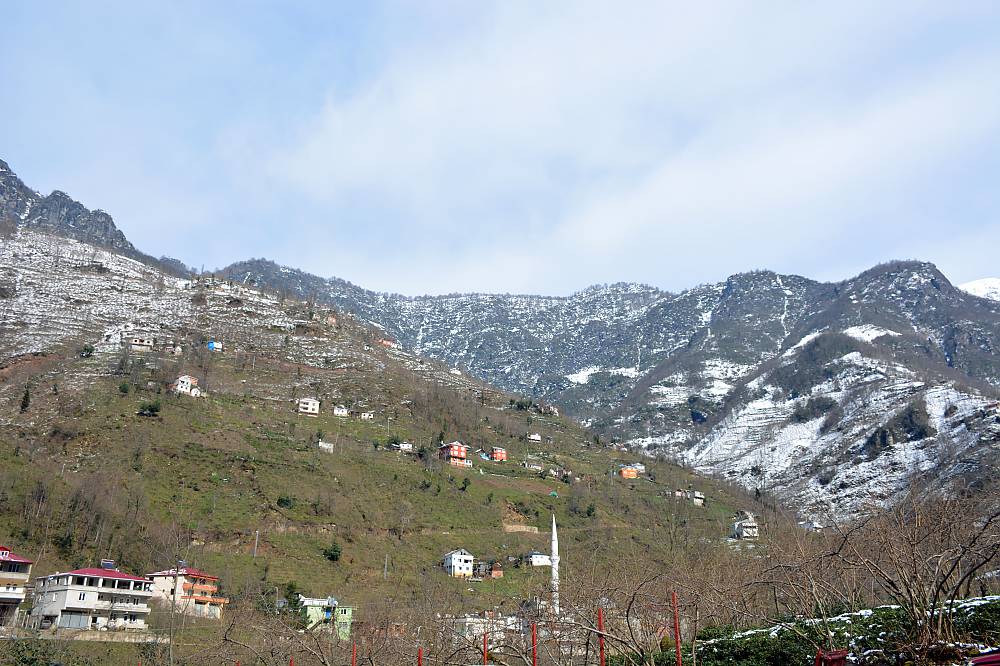
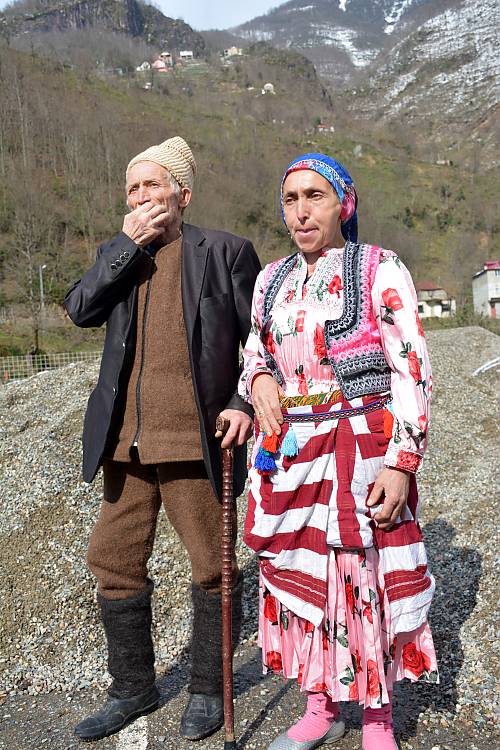
Türkiye’s Eastern Black Sea Region, which has challenging and mountainous terrain, formed the region’s ICH practices. Whistled Language formed in line with the needs of daily life in tough geographical conditions of the region. In this context, the element has been a part of their cultural identity for its community and practicing by the local communities for centuries in social life. Its cultural meaning shaped around this social cohesion and solidarity.
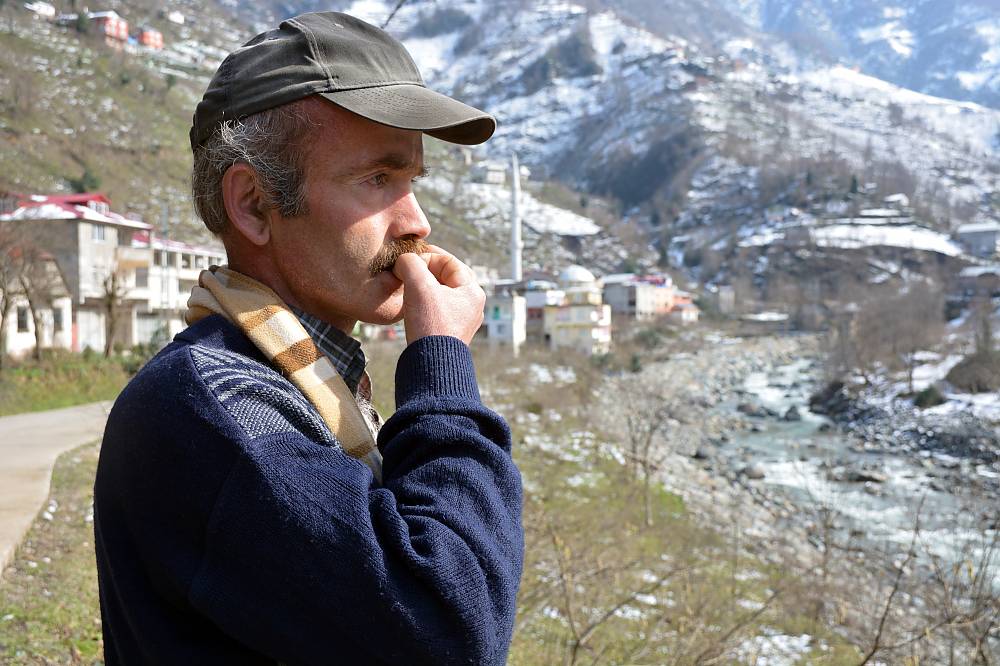
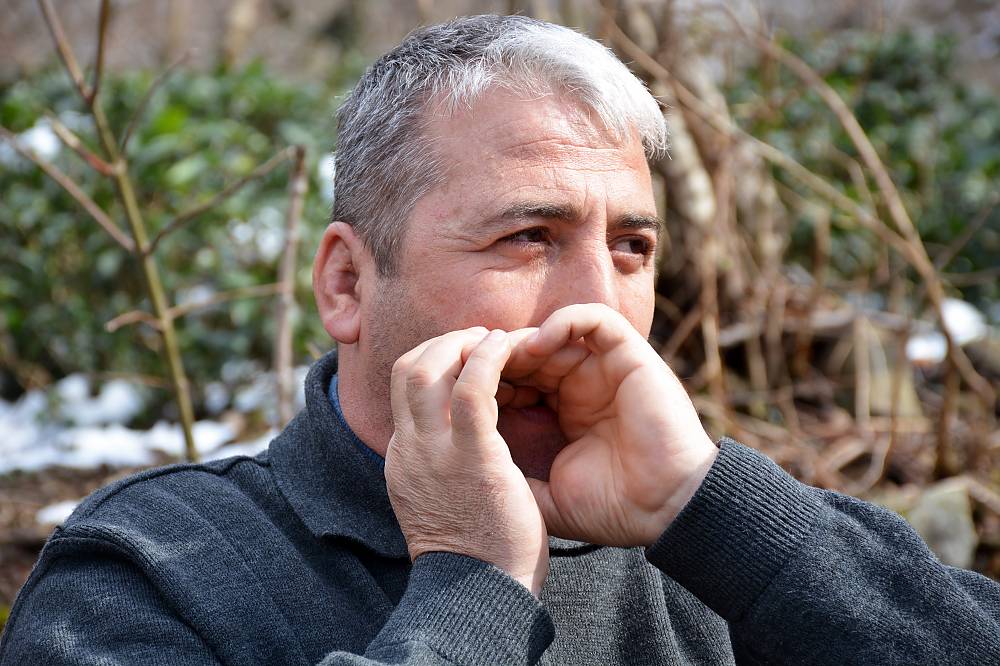
The social function of the element is to communicate among its community in need for something, social interaction or help. Different sound variations made by whistling used in daily life among local people for social interaction and solidarity such as “Okay”, “come”, “go”, “Would you like to join us tomorrow to harvest hazelnuts?” and warning for S.O.S like “There is a forest fire!”, “There is a landslide!”. This kind of communication is not only making life easier and more harmonious but also reinforcing social cohesion and solidarity among the people living in the region.
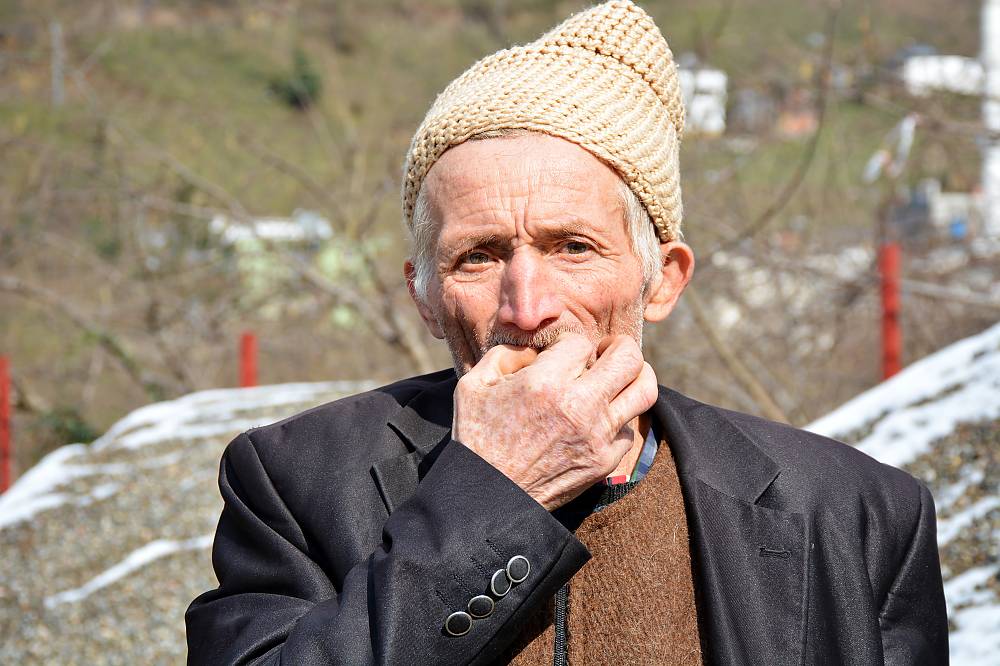
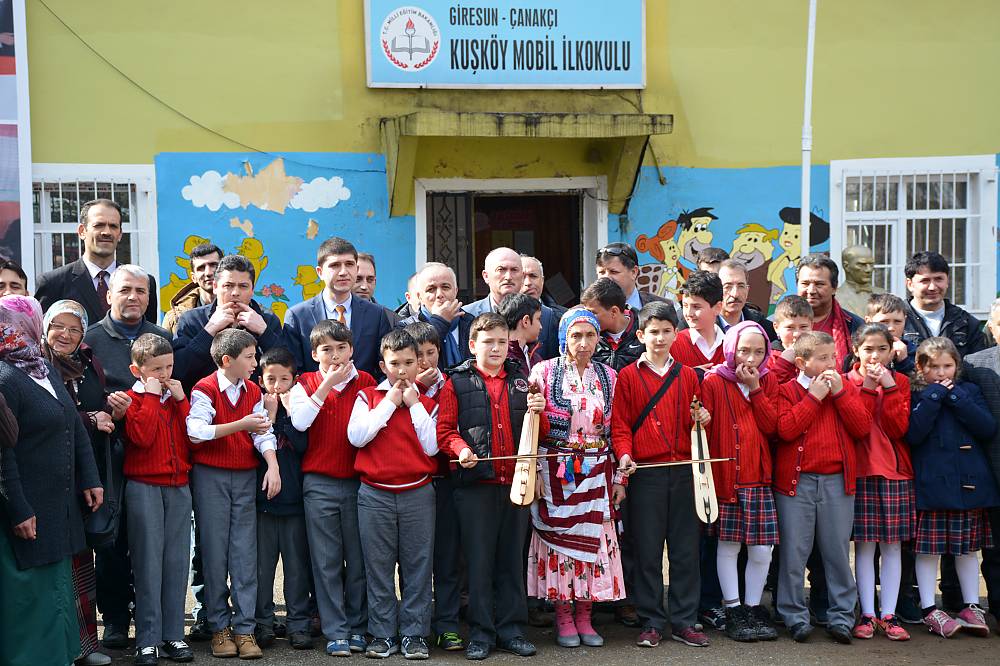
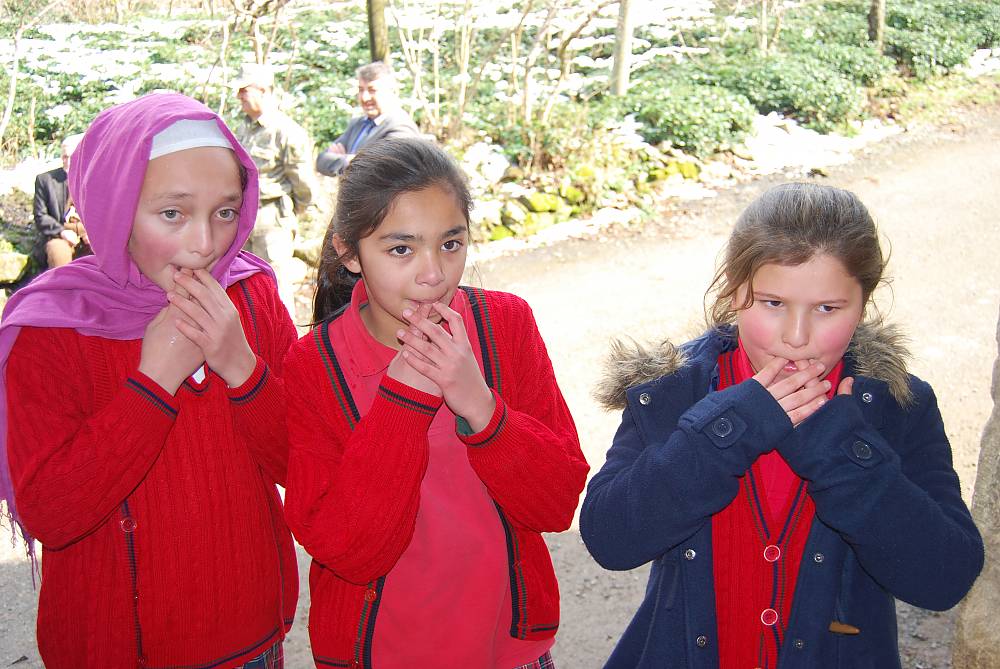
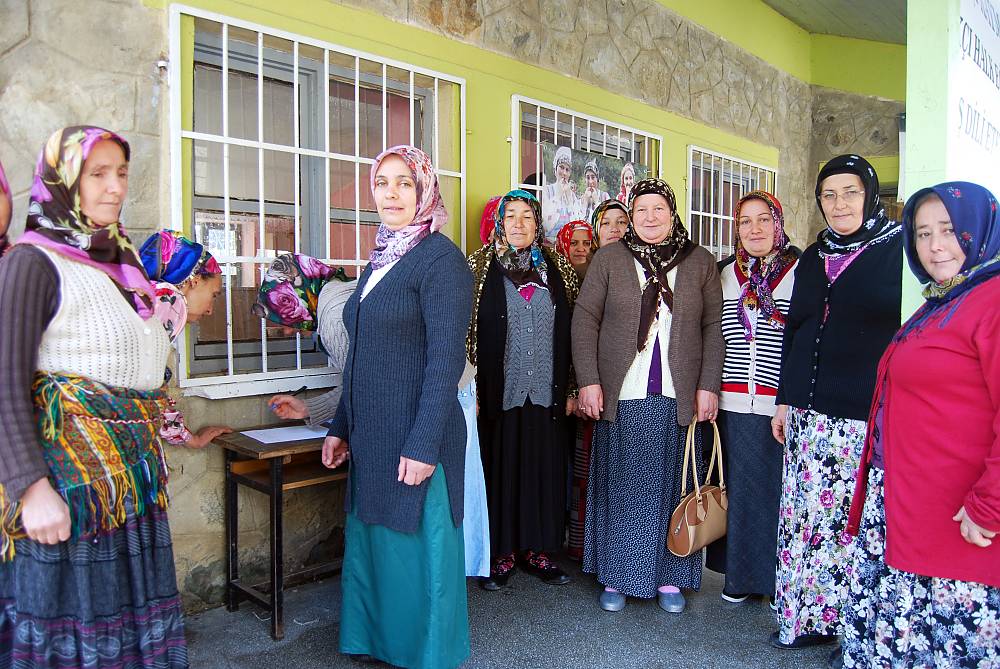
Community’s role, both men and women, is important in transmitting the element to next generations and ensuring its viability in social and cultural life. Elders of the community transmit the knowledge and skills and its social and cultural practices of the element and encourage children and youth to practice the whistled language in everyday life and cultural activities.
During the pandemic period, when restrictions and social distancing measures were in place, the whistled language continued to be practiced as an effective means of communication alongside modern communication tools, particularly in the mountainous and rugged areas where its bearers and practitioners live. During this time, community members took advantage of negative circumstances to encourage children and youth to train and practice the whistled language. As a result, practice of the element in daily life among children and youth increased and a sense of cultural belonging among younger generations was reinforced.
Following the pandemic, a noticeable increase in the interest of young people in the whistled language was observed. Events, workshops, and festivals held during this period attracted more attention from younger generations compared to previous years. These events contributed to raising awareness of the element among younger generations not only as a means of communication but also as an important part of their cultural identity.
This interest was further strengthened in 2025 during an international event. Türkiye had 2 guests from La Gomera Island of the Canary Islands in Spain who practice the common ICH element called “Silbo Gomero”. The practitioners of Silbo Gomero visited Kuşköy Village, where the Whistled Language is widely practiced. Both practitioners from Kuşköy Village and La Gomero Island practiced the element and communicated each other by whistled language. This cultural interaction raised awareness in both communities that the whistled language is not only a communication tool but also an integral part of their cultural identity.
B.2.
Assessment of its viability and current risks
Please describe the current level of viability of the element, particularly the frequency and extent of its practice, the strength of traditional modes of transmission, the demographics of practitioners and audiences and its sustainability. Please also identify and describe the threats, if any, to the element's continued transmission and enactment and describe the severity and immediacy of such threats, giving particular attention to any strengthening or weakening of the element’s viability subsequent to inscription.
Assessment of its viability and current risks
Whistled Language has been transmitted from generation to generation by traditional modes of transmission for centuries in provinces of Giresun, Ordu and Gümüşhane, thereby maintaining its viability and being used by related communities. The element recognized as an integral component of region’s social and cultural identity.
During the pandemic, the element became widely practiced by means of communication among young people, alongside modern communication tools. Following the end of pandemic, visibility of the element increased among youth, who actively participated whistled language in events and organizations held after the pandemic.
In particular, Whistled Language Festival, organized with the financial and technical support of MoCT, the local communities, NGOs and local administrations since 1997, has attracted participants from across Türkiye. Following the pandemic, the festival contributed to raise awareness of national interest in the element.
Consequently, in addition to training courses organized by the local administrations and the MoNE, raising awareness of the element has led to the organization of formal and online training courses in other provinces of Türkiye, such as Antalya, Ankara, İstanbul and Diyarbakır, for the people who are interested in the element.
First phase of DOKAP Project was completed. This phase has helped the region become one of the tourism destinations and increased the visibility at both national and international levels.
During second reporting cycle, promotional news in mass and new media continued to be highly effective in raising awareness and ensuring the viability of the element. News, articles, and columns continued to be published in mass and new media. Social media accounts dedicated to the element remained active. These accounts have attracted thousands of followers and interactions, contributing to raise awareness at international level. According to Google statistics, the number of web and social media accounts related to the element reached approximately 661,000 between 2022 and 2025, compared to only 11,400 pages recorded between 2017 and 2021. This significant increase clearly demonstrates the growing visibility and raising awareness of the element at both national and international levels.
Similar to first reporting cycle, this cycle also identifies certain threats. General treat is climate change, geographical locations of regions which are rainy and humid every season. Heavy rainfalls may cause flood, landslide and can damage settlements.
Current treat rural-to-urban migration significantly reduces the practice of the element, as younger people leave villages for education and employment opportunities in urban areas. This factor is expected to be mitigated through rural development and tourism destination enhancement projects implemented in the region in recent years.
Increasing use of mass media and negative impact of modern technology is also another treat. Mass media gave wide coverage for inscription of the element in 2017. Distribution of brochures and documentary films raised awareness. Practicing the element extended among younger generations during first reporting cycle. During the pandemic restrictions, the community turned these challenging conditions into an opportunity by encouraging the practice of the element among younger generations, fostering social cohesion and solidarity within their restricted social and cultural lives.
B.3.
Implementation of safeguarding measures
Please report on the safeguarding measures described in the nomination file, and previous report, if any. Describe how they have been implemented and how they have substantially contributed to the safeguarding of the element during the reporting period, taking note of external or internal constraints such as limited resources. Include, in particular, information on the measures taken to ensure the viability of the element by enabling the community to continue to practise and transmit it. Include the following detailed information concerning the implementation of the set of safeguarding measures or safeguarding plan:
B.3.a.
Objectives and results
Indicate what primary objective(s) were addressed and what concrete results were attained during the reporting period.
Objectives and results
Primary Objective-1: Raising awareness and ensuring viability of the Element
• Result 1: Ministry of Industry and Technology-DOKAP project “Promotion, Ensure Viability of Whistled Language and Development of Tourism in the Region of Giresun-Çanakçı-Kuşköy” first phase finished.
• Result 2: Whistled Language Festival became an international organization.
• Result 3: Safeguarding Action Plan could not be updated in 2022.
• Result 4: The Whistled Language Sports Club joined to amateur football league.
• Result 5: 2 practitioners were invited and hosted from La Gomera Island of the Canary Islands in Spain who practice the common ICH element called “Silbo Gomero”.
• Result 6: According to Google Statistics, approximately 11,400 pages related to the whistled language were available online during 2017–2021, increasing to about 662,000 pages in 2022–2025. This significant increase clearly demonstrates the growing visibility and raising awareness of the element
• Result 7: Various activities were carried out in Giresun, Ordu, and Gümüşhane provinces to promote the Whistled Language.
• Result 8: "The Living Human Treasures Award Ceremony”, where Mustafa Civelek, a bearer and practitioner of whistle language, was also rewarded, was broadcasted live on national television channels and contributed to raising awareness of the whistled language across the country.
Primary Objective-2: Transmission of the Element
• Result 1: Training programs continued during second periodic reporting cycle.
• Result 2: Application for digital devices was developed.
• Result 3: Whistled language elective courses in Faculty of Tourism Department of Recreation Management at Giresun University has attracted considerable interest among students. The course has also contributed to raising awareness of the whistled language among students coming from outside Giresun, thereby expanding its recognition at the national level.
B.3.b.
Safeguarding activities
List the key activities that were carried out during this reporting period in order to achieve these expected results. Please describe the activities in detail and note their effectiveness or any problems encountered in implementing them.
Safeguarding activities
The second periodic reporting cycle (2022–2025) coincided with the final stages and aftermath of the COVID-19 pandemic. Although social restrictions were lifted in the summer of 2022, the pandemic’s negative effects on the national and local economies persisted for an extended period. This situation created financial and logistical challenges for communities and relevant stakeholders in implementing planned safeguarding measures. As a result, some of safeguarding measures and activities foreseen in the previous periodic report could not be fully carried out as planned.
Primary Objective-1: Raising awareness and ensuring viability of the Element
• Activity 1: First phase of the DOKAP project, “Promotion, Ensure Viability of Whistled Language and Development of Tourism in the Region of Giresun-Çanakçı-Kuşköy” was finished. Project aims to promote and ensure viability of the element national and international levels by organizing various activities and to develop tourism in the region for sustainable development. Within this project, 22 homes, 3 school buildings 1 mill and other cultural spaces were constructed in accordance with the traditional architecture of the region. The second phase of the project is currently underway, focusing on the continuation and expansion of safeguarding and promotion activities. This phase aims to strengthen community involvement and further support the transmission of Whistled Language to younger generations.
• Activity 2: Whistled Language Festival has been welcoming guests from all regions of Türkiye since 1997. The Festival encourages young people to participate by introducing them to element in an interactive and festive atmosphere, thereby supporting local tourism in Giresun and surrounding provinces. Festival, which was suspended in 2020 due to the pandemic, resumed in 2022 in Kuşköy Village. The annual Whistled Language Festival was expanded to an international scale, enabling cross-cultural exchange and broader visibility of the element. The event program was enriched with live performances and demonstrations, workshops, interactive learning activities for children, youth, and international visitors. In 2025, 26th annual festival was held on 6th July in Giresun.
• Activity 3: “Whistle Language Safeguarding Action Plan Workshop” held in October 2019. However, due to the pandemic, some actions in this plan could not be implemented. In this context, on June 19, 2025 the revision workshop was organized with the participation of bearers and practitioners, local administrations, academics, related NGOs and experts from MoCT. The workshop aimed to revise, update, and relaunch the safeguarding strategy. Through the active contributions of all stakeholders, a set of concrete actions determined for 2025-2029.
• Activity 4: The Whistled Language Sports Club as a community-based initiative to safeguard and promote the element in an innovative way was established in 2020 and played its first official match following the post-pandemic period in 2023.
• Activity 5: As part of efforts to strengthen international cooperation and knowledge exchange on safeguarding similar ich elements, two practitioners from La Gomera Island (Canary Islands, Spain), where the whistled language “Silbo Gomero” is practiced, were invited to Giresun/Türkiye in June 2025. Turkish and Spanish practitioners demonstrated their respective whistled languages on stage, highlighting similarities and differences in techniques, structure, and usage. Local and national media broadcasted the events, increasing awareness across Türkiye about the existence of similar ICH elements worldwide. This cultural interaction raised awareness in both communities that the whistled language is not only a communication tool but also an integral part of their cultural identity and Inspired youth and community members through direct interaction with international practitioners.
• Activity 6: State and private news agencies maintained their efforts by reporting on the inscription of the element and to UNESCO ICH URL at the national level and distributing these reports to international news agencies. Consequently, promotional news, articles, and columns continued to be published in national and international mass and new media. In addition, social media accounts and pages dedicated to the Whistled Language on platforms such as Facebook, YouTube, Dailymotion, TikTok, and Instagram remained active.
• Activity 7: Various activities were carried out in Giresun, Ordu, and Gümüşhane provinces to promote the Whistled Language, in collaboration with the Provincial Directorates of Culture and Tourism (PDoCT), the Provincial Directorates of National Education, and local administrations. Within this framework, informative brochures were prepared and distributed for public awareness. In addition, interviews and programs on local television channels were broadcasted, focusing on the history, cultural significance, and contemporary practice of the whistled language, thereby reaching a wide audience and ensuring the visibility of the element.
• Activity 8: Living Human Treasures National Inventory of Türkiye is regularly updated to give official recognition to masters of traditional knowledge and skills, and to encourage them to continue developing and transmitting their heritage to future generations. Mustafa Civelek had proclaimed as Living Human Treasure in 2019 received his award in The Living Human Treasures Award Ceremony was held on 11 January 2022 organized by Ministry of Culture and Tourism in Beştepe Nation’s Congress and Culture Center.
Primary Objective-2: Transmission of the Element
• Activity 1: Ministry of National Education-Directorate General of Long-life Learning organized whistled language course program and create a training module for children whose age is 7 and older in Giresun Çanakçı District Public Education Centre. The course consists of 4 modules, 132 hours of training. In this context Çanakçı Public Education Center and Görele District Education Departments organized courses for children and adults. In addition, online whistled language training courses were organized in other provinces of Türkiye, such as Antalya, Ankara, İstanbul and Diyarbakır, for the people who are interested in the element.
• Activity 2: Providing accessible and interactive learning tools “Whistled Language Mobile Application” was updated in 2024. The interactive application aims to teach basic sounds and signs also gamification elements such as points and levels encourage practice for young generation.
• Activity 3: Academic senate of Giresun University has adopted to add an elective whistled language course in curriculum for 3rd grade students in Faculty of Tourism Department of Recreation Management.
B.3.c.
Participation of communities, groups or individuals in the safeguarding activities
Describe how communities, groups or, if appropriate, individuals as well as relevant non-governmental organizations have effectively participated, including in terms of gender roles, in the safeguarding measures. Describe the role of the implementing organization or body (name, background, etc.) and the human resources that were available for implementing safeguarding activities.
Participation of communities, groups or individuals in the safeguarding activities
Within the scope of the safeguarding action plan to be implemented during the first reporting cycle, a working group was established in 2016. In 2022 this working group was reformed under the organization of the MoCT, with the participation of the Provincial Directorates of Culture and Tourism of Giresun, Ordu and Gümüşhane, local administrations, NGOs, and community members. This working group actively participated in the activities carried out within the scope of the safeguarding action plan.
In the first phase of the project implemented by the DOKAP, community members and project staff conducted joint fieldwork. The project team carried out the restoration of structures and landscaping in the area guided by the advice and recommendations of community members.
Whistled Language training courses opened by local administrations with support of bearers and practitioners. Whistled language course program organized by Ministry of National Education.
In order to transform the Whistled Language Festival into an international event, a festival committee was established with the collaboration of NGOs, community members, provincial directorates of culture and tourism, and local administrations. As a result of committee’s efforts, the festival began hosting participants from abroad for the first time in 2022.
Due to the economic and logistical challenges experienced in the post-pandemic period, Safeguarding Action Plan could be updated on 2025. "Whistled Language Safeguarding Action Plan Revision Workshop" was held in Giresun, between 17-19 June 2025 with organization of Ministry of Culture and Tourism. During this workshop, Türkiye hosted 2 visitors from La Gomera Island of the Canary Islands in Spain who practice common element called “Silbo Gomero”. During the workshop, practitioners from La Gomera Island made a presentation and informed Turkish whistled language community.
The Whistled Language Sports Club, established in 2020 consisting of youth community members with the support of Bird Language Sustenance Culture and Tourism Association, played its first official match following the post-pandemic period in 2023.
The practitioners of Silbo Gomero from La Gomera Island visited Kuşköy Village, where the Whistled Language is widely practiced. Practitioners of both communities had the opportunity to establish an international network aimed at fostering cultural exchange and enhancing international cooperation.
A “Whistled Language Dictionary” application was developed for devices with the Android operating system. The whistled pronunciation of the words in the dictionary was performed by bearer and practitioner Orhan Civelek.
Role of Body and Organization for Implementation of Safeguarding Measures
• MoCT- Directorate General of Living Heritage and Cultural Activities
• Ministry of Industry and Technology- DOKAP
• MoNE- Directorate General of Lifelong Learning
• Turkish National Commission for UNESCO
• Governorship of Giresun, Ordu and Gümüşhane
• District Governorship of Çanakçı
• Municipality of Çanakçı
• Provincial Directorate of Culture and Tourism (Giresun, Ordu and Gümüşhane)
• Provincial Directorate of Education of Giresun
• Giresun University
• Çanakçı Public Education Center
• Bird Language Sustenance Culture and Tourism Association
• Bearers and Practitioners of Whistled Language in Giresun, Ordu and Gümüşhane
• Application Designer
B.3.d.
Timetable
Indicate in a timetable when each activity was implemented.
Timetable
• Ministry of Industry and Technology-Eastern Black Sea Project Development Administration’s (DOKAP) project “Promotion, Ensure Viability of Whistled Language and Development of Tourism in the Region of Giresun-Çanakçı-Kuşköy” Phase 2. 2020- ongoing
• The annual Whistled Language Festival was expanded to an international scale, enabling cross-cultural exchange and broader visibility of the element. 2022-ongoing
• “Whistle Language Safeguarding Action Plan Revision Workshop” was organized with the participation of bearers and practitioners, local administrations, academics, related NGOs and experts from MoCT. 19 June 2025
• Two practitioners from La Gomera Island (Canary Islands, Spain), where the whistled language “Silbo Gomero” is practiced, were invited to Giresun/Türkiye. 17-19 June 2025.
• State and private news agencies continued promoting and reporting whistled language and shared these reports internationally. News, articles, and columns were published widely, while social media accounts on Facebook, YouTube, Dailymotion, TikTok, and Instagram remained active. 2017- ongoing
• Informative brochures were prepared and distributed for public awareness. In addition, interviews and programs on local television channels were broadcasted, focusing on the history, cultural significance, and contemporary practice of the whistled language. 2017-ongoing
• The Living Human Treasures Award Ceremony was held where Mustafa Civelek, a bearer and practitioner of the whistled language received his award. 11 January 2022.
• Ministry of National Education-Directorate General of Long-life Learning has been organizing whistle language course program and creating a training module for children and online whistled language training courses organizing in other provinces of Türkiye. 2017-ongoing.
• “Whistled Language Mobile Application” 2019-ongoing (updated in 2024)
• Academic senate of Giresun University has adopted to add an elective whistled language course. 2023-ongoing
B.3.e.
Budget expenditures
Provide the detailed amounts of the funds used for the implementation of each activity (if possible, in US dollars), identifying the funding source for each (governmental sources, in-kind community inputs, etc.).
Budget
Since the previous periodic reporting cycle, fluctuations in the exchange rate may cause variations in the dollar value of expenditure funds.
• DOKAP conducted and finished the first phase of the project “Promotion, Enhancing Viability of Whistled Language and Development of Tourism in the Region of Giresun-Çanakçı-Kuşköy”.
Fund: 200.000 USD.
Resource Fund: Ministry of Industry and Technology- DOKAP.
• Whistle Language Festival has been organizing annually.
Fund: 15.000 USD.
Resource Fund: Bird Language Sustenance Culture and Tourism Association and local sponsors.
• Whistle Language Safeguarding Action Plan Revision Workshop was organized in Giresun.
Fund: 2.000 USD.
Resource Fund: Ministry of Culture and Tourism Directorate General of Living Heritage and Cultural activities, Provincial Directorates of Culture and Tourism of Giresun, District Governorship of Çanakçı.
• Whistle Language Sport Club started to play at amateur league in 2023.
Fund: 5000 USD.
Resource Fund: Bird Language Sustenance Culture and Tourism Association and Local administrations.
• Practitioners from La Gomera Island (Canary Islands, Spain), where the whistled language “Silbo Gomero” is practiced, were invited to Giresun/Türkiye in June 2025.
Fund: 3000 USD.
Resource Fund: Ministry of Culture and Tourism Directorate General of Living Heritage and Cultural activities, Provincial Directorates of Culture and Tourism of Giresun, Governorship of Giresun, District Governorship of Çanakçı.
• Promotional news in mass and new media.
Fund: -
• Various activities were carried out in Giresun, Ordu, and Gümüşhane provinces to promote the Whistled Language.
Fund: 1000 USD.
Resource Fund: Provincial Directorates of Culture and Tourism Giresun, Ordu and Gümüşhane, Provincial Directorates of National Education, Local administrations.
• The Living Human Treasures Award Ceremony was held on 11 January 2022.
Fund: 10.000 USD.
Resource Fund: Presidency of Republic of Türkiye, Ministry of Culture and Tourism Directorate General of Living Heritage and Cultural Activities.
• Ministry of National Education Directorate General of Long-Life Learning organizes whistled language course program.
Fund: 7.000 USD.
Resource Fund: Ministry of National Education Directorate General of Long-Life Learning, Provincial Directorates of National Education, local administrations.
• Providing accessible and interactive learning tools “Whistled Language Mobile Application”.
Fund: 500 USD.
Resource: Application Designer
• Academic Senate of Giresun University has adopted to add an elective whistled language course in curriculum for 3rd and 4th grade students in Faculty of Tourism for 2021-2022 semesters.
Fund: -
B.3.f.
Overall effectiveness of the safeguarding activities
Provide an overall assessment of the effectiveness of the activities undertaken to achieve the expected results and of the efficiency of the use of funds for implementing the activities. Please indicate how the activities contributed to achieving the results and whether other activities could have contributed better to achieving the same results. Also indicate whether the same results could have been achieved with less funding, whether the human resources available were appropriate and whether communities, groups and individuals could have been better involved.
Overall effectiveness of the safeguarding activities
The safeguarding activities implemented during the reporting period were overall effective in contributing to the long-term viability of the Whistled Language. A wide range of initiatives were carried out, including awareness-raising campaigns, trainings and media promotions. These activities collectively reinforced transmission, improved the visibility of the element at local, national and international levels.
The reporting period coincided with the post-pandemic years, during which both local and national economies were negatively affected. These circumstances created challenges for the implementation of some planned safeguarding measures, particularly those requiring substantial financial or logistical resources. Nevertheless, the communities and relevant stakeholders adapted their efforts.
In particular, the training programs of the element provided young people to train and practice the Whistled Language. This has also created stronger bonds between community’s generations and highlighted the cultural significance of the element beyond its practical use. Overall, the activities contributed directly to safeguarding objectives while also generating positive social and cultural impacts for the communities especially among younger generations.
The financial resources allocated were used efficiently and strategically. Priority was given to training activities, promotional materials, and the organization of awareness-raising events. However, some challenges were encountered due to currency fluctuations, which affected the overall financial planning and the implementation of safeguarding measures. While the results could not have been fully achieved with significantly less funding, it is recognized that a more diversified financial strategy could further enhance cost-effectiveness and sustainability. Partnerships with cultural institutions, NGOs, private stakeholders and local sponsors could provide additional resources, reduce reliance on public funds and enable the continuation of safeguarding efforts beyond project-based cycles.
Although some of the safeguarding measures foreseen in the previous reporting cycle could not be fully implemented due to the difficult economic situation following the pandemic, the visibility of the Whistled Language increased. This was largely achieved through the expanded use of social media platforms, which enabled wider dissemination of information, facilitated community-driven initiatives, and attracted the attention of younger generations. As a result, despite economic challenges and post pandemic circumstances the element’s awareness raising has increased at both local and national levels. These achievements were made possible through the active participation of local administrations, NGOs and, most importantly, the communities themselves. Their involvement guaranteed that safeguarding was not imposed externally but developed in a participatory and inclusive way.
Although the chosen activities were appropriate and had positive results, there remain opportunities for improvement. Digital technologies, including mobile applications, online teaching platforms and interactive archives, could be employed to expand the reach of transmission efforts and attract younger audiences more effectively. The active involvement of youth associations, women’s groups and civil society organizations could further strengthen inclusiveness, provide new perspectives and diversify participation in safeguarding processes. These additional measures could complement existing activities and increase their sustainability.
The human resources mobilized during the period were generally appropriate and sufficient for the implementation of the activities. Trainers, cultural practitioners, researchers and community representatives played an essential role in planning and implementing. Communities, groups and individuals were actively participating in workshops, training sessions and awareness-raising events.
In conclusion, despite the economic constraints of the post-pandemic period, some of the safeguarding measures for the Whistled Language was effectively implemented, while others experienced delays or could not be carried out as planned. The element’s visibility has increased at national and international levels, supported by training activities, awareness-raising initiatives and digital platforms. These outcomes highlight the resilience and strong commitment of the communities, whose active participation ensured the continuity of safeguarding processes under challenging circumstances.
C
Kaynakci
C. Update of the safeguarding measures
C.1.
Updated safeguarding plan
Please provide an update of the safeguarding plan included in the nomination file or in the previous report. In particular provide detailed information as follows:
- a. What primary objective(s) will be addressed and what concrete results will be expected?
- b. What are the key activities to be carried out in order to achieve these expected results? Describe the activities in detail and in their best sequence, addressing their feasibility.
- c. How will the State(s) Party(ies) concerned support the implementation of the updated safeguarding plan?
Updated safeguarding plan
Primary Objective-1: Raising awareness and ensuring viability of the Element
a.
Result 1: Capacity-building activities will be carried out with enriched and updated content, aiming to strengthen awareness raising and understanding of the Convention among all stakeholders.
Result 2: Field researches, documentation and promotion activities will be supported.
Result 3: Current training module will be reviewed to align it with pedagogical approaches and needs of the community.
Result 4: Activities will promote the participation of practitioners in various festivals and cultural events held in the Black Sea Region.
Result 5: Updating safeguarding action plan.
Primary Objective-2: Transmission of the Element
Result 1: Calls for project proposals will be announced.
Result 2: Bearers and practitioners of the element will be identified.
Result 3: The curricula of training and seminar programs for tourist guides operating in the region will be revised.
Result 4: Cultural routes related to the element will be established.
Result 5: Trainings will be provided within the scope of Living Heritage School Project.
Result 6: Monitoring committee will be established.
b. and c.
Primary Objective-1: Raising awareness and ensuring viability of the Element
Activity 1: Regional Information Meetings will be organized to establish link between whistled language and ich elements.
Responsible Body (RB): MoCT, PDoCT
Activity 2: All promotional projects, field researches will be supported. Panels and meetings will be held at schools.
RB: MoCT, Local Administrations, Universities, Türkiye Tourism Promotion and Development Agency (TGA)
Activity 3: Current training module will be reviewed and updated to align it with pedagogical approaches and needs of the community.
RB: MoNE
Activity 4: Inclusion of Whistled Language activities in festivals and celebrations held in Black Sea Region will be supported. Bearers and practitioners will be encouraged to participate and demonstrate whistled language during Living Heritage Festivals, Culture Route Festivals and other local festivals.
RB: MoCT, PDoCT, Bird Language Sustenance Culture and Tourism Association
Activity 5: Action Plan Revision workshop will be organized.
RB: MoCT, PDoCT, Local Administrations
Primary Objective-2: Transmission of the Element
Activity 1: Project calls will be announced to encourage the development of initiatives.
RB: DOKA, DOKAP, TGA
Activity 2: Identification of bearers and practitioners of the element and preparation of a comprehensive inventory will be carried out in close cooperation with local communities, ensuring a participatory and community-based approach.
RB: MoCT, PDoCT
Activity 3: Informative and promotional courses on the element will be incorporated into the trainings, seminar programs and curricula of tourist guides operating in the region.
RB: Universities, Union of Turkish Tourist Guides Chambers
Activity 4: Actions will be taken to include the Whistled Language Cultural Route in the Cultural Routes of the Council of Europe Programme in order to enhance visibility, strengthen cross-cultural exchange, and promote sustainable cultural tourism.
RB: MoCT, Local Administrations Bird Language Sustenance Culture and Tourism Association, TGA
Activity 5: Face to face and online trainings will be provided within the scope of Living Heritage School Project.
RB: MoCT, MoNE
Activity 6: A monitoring committee will be established.
RB: MoCT, Local Administrations, PDoCT
C.2.
Timetable for future actitivies
Provide a timetable for the updated safeguarding plan (within a time-frame of approximately four years).
00655,01983
Timetable
Primary Objective-1: Raising awareness and ensuring viability of the Element
Activity 1: Regional Information Meetings will be organized. January 2026-December 2029
Activity 2: All promotional projects related to Whistled Language will be supported. January 2026-December 2029
Activity 3: The current Whistled Language training module will be reviewed and updated. January 2026-December 2029
Activity 4: Bearers and practitioners of the Whistled Language will be supported to participate in regional festivals and cultural events held in the Black Sea Region. January 2026-December 2029 (according to annual festival dates)
Activity 5: Whistled Language Safeguarding Action Plan workshop will be organized in 2029.
Primary Objective-2: Transmission of the Element
Activity 1: Calls for project proposals will be published. January 2026-December 2029
Activity 2: Bearers and practitioners practicing the Whistled Language in the region will be identified. January 2026-December 2029
Activity 3: The curricula of training and seminar programs for tourist guides operating in the region will be revised. January 2026-December 2029
Activity 4: Cultural routes related to the element will be established. January 2026-December 2029
Activity 5: Whistled Language trainings will be provided within the scope of Living Heritage School Project. December 2025-December 2026
Activity 6: Monitoring and evaluation committee will be established. January 2026-December 2029
C.3.
Budget for future activities
Provide the estimates of the funds required for implementing the updated safeguarding plan (if possible, in US dollars), identifying any available resources (governmental sources, in-kind community inputs, etc.).
Budget
Primary Objective-1: Raising awareness and ensuring viability of the Element
Activity 1: Regional Information Meetings will be organized.
Fund: 10000 USD
Resource Fund: MoCT, PDoCT
Activity 2: All promotional projects related to element will be supported.
Fund: 20000 USD
Resource Fund: MoCT, Local Administrations, Universities, Türkiye Tourism Promotion and Development Agency
Activity 3: The current Whistled Language training module will be reviewed and updated.
Fund: -
Activity 4: Bearers and practitioners of the Whistled Language will be supported to participate in regional festivals.
Fund:15000 USD
Resource Fund: MoCT, PDoCT, Bird Language Sustenance Culture and Tourism Association
Activity 5: Whistled Language Safeguarding Action Plan workshop will be organized.
Fund: 5000 USD
Resource Fund: MoCT, PDoCT, Local Administrations
Activity 1: Calls for project proposals will be announced.
Fund: -
Activity 2: Bearers and practitioners practicing the whistled language in the region will be identified.
Fund: 2000 USD
Resource Fund: MoCT, PDoCT
Activity 3: The curricula of training and seminar programs for tourist guides operating in the region will be revised.
Fund: -
Activity 4: Cultural routes related to the element will be established.
Fund: 10000 USD
Resource Fund: MoCT, Local Administrations Bird Language Sustenance Culture and Tourism Association, TGA
Activity 5: Whistled Language trainings will be provided at Living Heritage School Project
Fund: 10000 USD
Recourse Fund: MoCT, MoNE
Activity 6: Monitoring committee will be established.
Fund:-
C.4.
Community participation
Please describe how communities, groups and individuals, as well as relevant non-governmental organizations have been involved, including in terms of gender roles, in updating the safeguarding plan, and how they will be involved in its implementation.
00228
Community participation
As indicated in the first periodic report, a committee composed of NGO representatives, experts from Provincial Directorates of Culture and Tourism, academics, bearers, practitioners and members of local administrations has continued to meet since the element’s inscription. During the second reporting cycle, this committee maintained its work and began to implement safeguarding measures foreseen in the first cycle. However, due to the economic difficulties and logistical challenges of the post-pandemic period, some activities could not be fully implemented. In June 2025, with the coordination of the Ministry of Culture and Tourism, the committee and its partners organized a new safeguarding action plan workshop to update safeguarding measures for 2025–2029.
The updated safeguarding plan was prepared through a participatory and inclusive approach ensuring the active involvement of communities, groups, individuals and relevant NGOs. The Whistled Language Safeguarding Action Plan Revision Workshop, held in Giresun on 17–19 June 2025 under the coordination of the Ministry of Culture and Tourism – Directorate General of Living Heritage and Cultural Activities. The workshop gathered bearers and practitioners, local administrations, Provincial Directorates of Culture and Tourism, NGOs, academics and experts to identify the safeguarding priorities and measures for the period 2025–2029.
Both men and women from the related community actively participated to the workshop and reflected the community’s shared responsibility for transmission and safeguarding. Young community members suggested innovative approaches such as mobile applications, digital archives and sports-based initiatives to increase visibility. Women’s contributions were particularly visible in the organization of training courses, festivals and awareness-raising activities, ensuring that gender roles were represented in all stages of the safeguarding process.
The workshop also benefited from the participation of practitioners of Silbo Gomero from La Gomera Island, Spain. They shared their safeguarding experiences and provided concrete examples from their own transmission and promotion practices. Their contributions enriched the discussions, offered comparative perspectives and reinforced the importance of international cooperation between communities of common ICH. In the implementation phase, communities will remain at the center of safeguarding measures.
Bearers and practitioners will continue to transmit the element through workshops and courses; youth associations and women’s groups will join awareness campaigns and local initiatives; and NGOs will contribute to the organization of festivals, preparation of training materials and cooperation with locl and national institutions. Ministry of Culture and Tourism, local administrations, universities and experts will provide technical support, monitoring and guidance.
C.5.
Institutional context
Please report on the institutional context for the local management and safeguarding of the element inscribed on the Urgent Safeguarding List, including:
- a. the competent body(ies) involved in its management and/or safeguarding;
- b. the organization(s) of the community or group concerned with the element and its safeguarding.
2006-03-27
Institutional context
• Ministry of Culture and Tourism- Directorate General of Living Heritage and Cultural Activities (Competent Body)
• Ministry of National Education-Directorate General of Long-life Learning
• Ministry of Industry and Technology-Eastern Black Sea Project Development Administration (DOKAP)
• Turkish National Commission for UNESCO
• Giresun University
• Governorship of Giresun
• District Governorship of Çanakçı
• Municipality of Çanakçı
• Giresun Çanakçı District Public Education Centre
• Provincial Directorates of Giresun, Ordu and Gümüşhane
• Türkiye Tourism Promotion and Development Agency
D
Ahmet Gökhan
D. Participation of communities in preparing this report
Describe the measures taken to ensure the widest possible participation of the communities, groups and, where applicable, individuals concerned as well as relevant non-governmental organizations during the process of preparing this report.
Participation of communities in preparing this report
The preparation of this report was carried out through participatory approach, ensuring the active engagement of all relevant communities, groups, individuals and NGOs. To facilitate effective communication and coordination, a dedicated email group was established in connection during the Safeguarding Action Plan Workshop. This platform enabled stakeholders to receive updates, provide feedback, and actively engage in discussions throughout the reporting process.
Each section of the report was systematically shared with the respective communities and other stakeholders to request their input, suggestions and observations, thereby ensuring that diverse perspectives were fully considered. This collaborative approach fostered continuous dialogue between the report’s drafting team and the stakeholders, promoting transparency, inclusivity.
Upon completion, a draft version of the report was circulated to all participants for review and validation. Stakeholders examined the draft, and their comments and recommendations were incorporated into the final version. Overall, the report represents a genuinely collaborative effort, demonstrating that the safeguarding measures were developed, refined, and documented with engagement and consensus of all stakeholders.
E
Expert
Department of Intangible Cultural Heritage
General Directorate of Research and Training
E. Signature on behalf of the State Party
The report should be signed by an official empowered to do so on behalf of the State, and should include his or her name, title and the date of submission.
Name
Selim Terzi
Title
Director General
Date
02-12-2025
Signature
Signed
Upload signed version in PDF