Inscribed in 2025 (20.COM) on the Representative List of the Intangible Cultural Heritage of Humanity
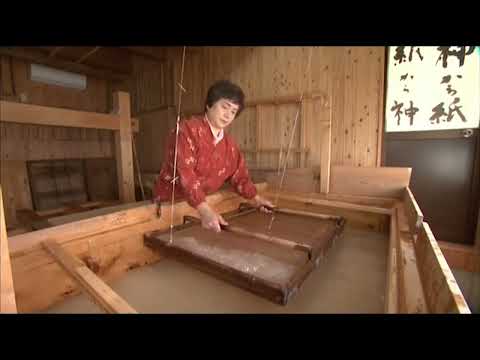
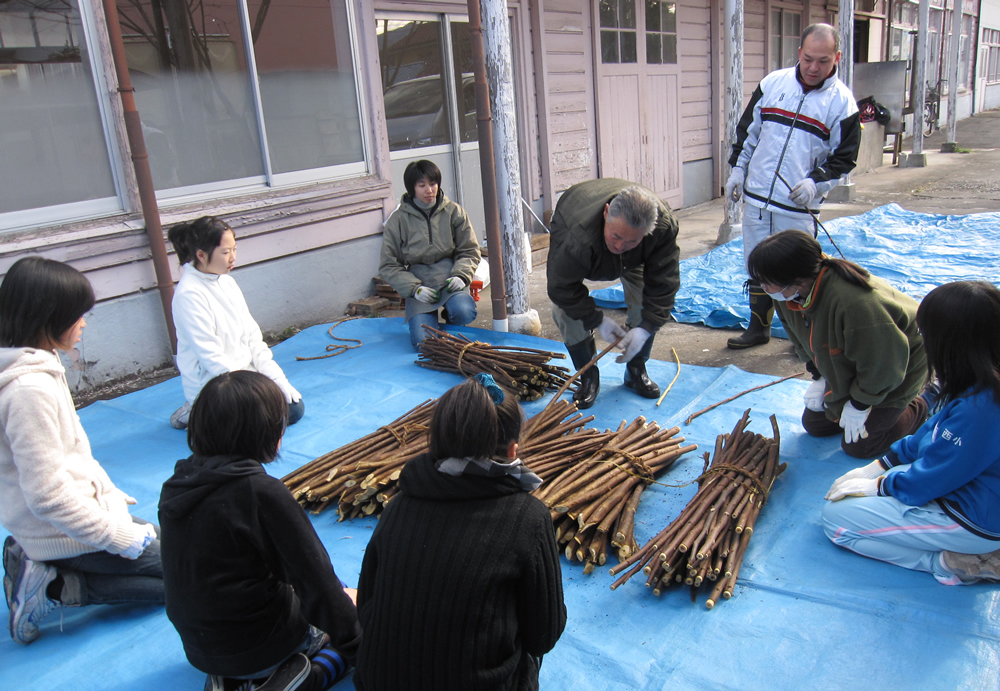
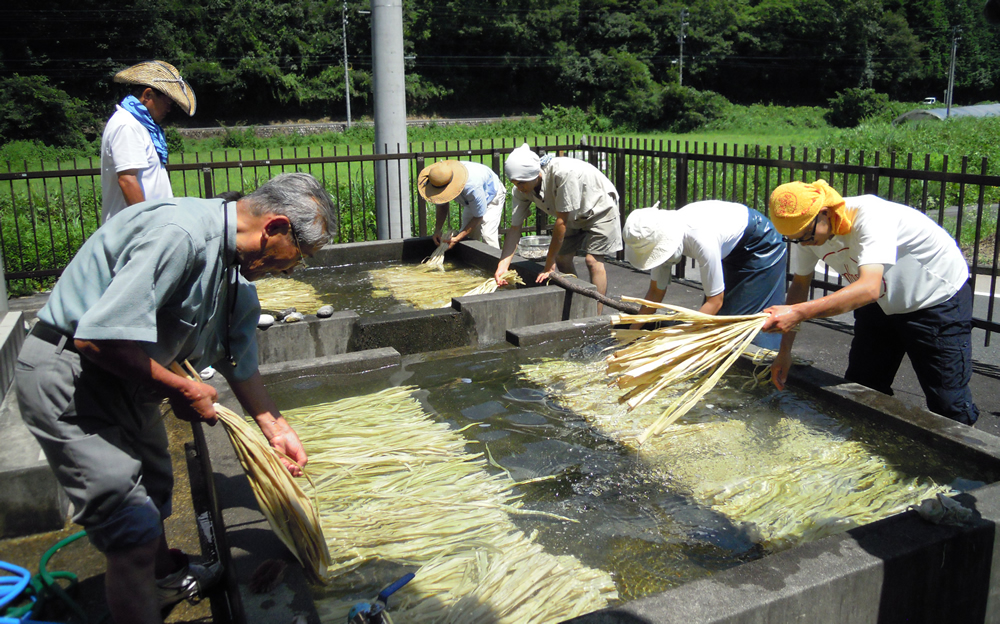
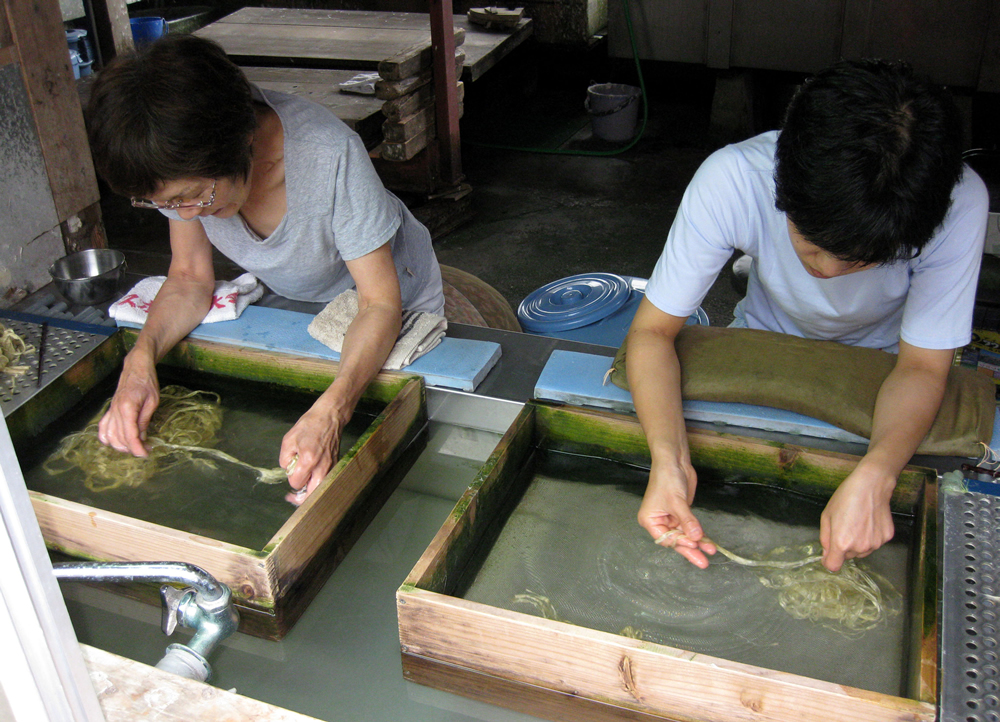
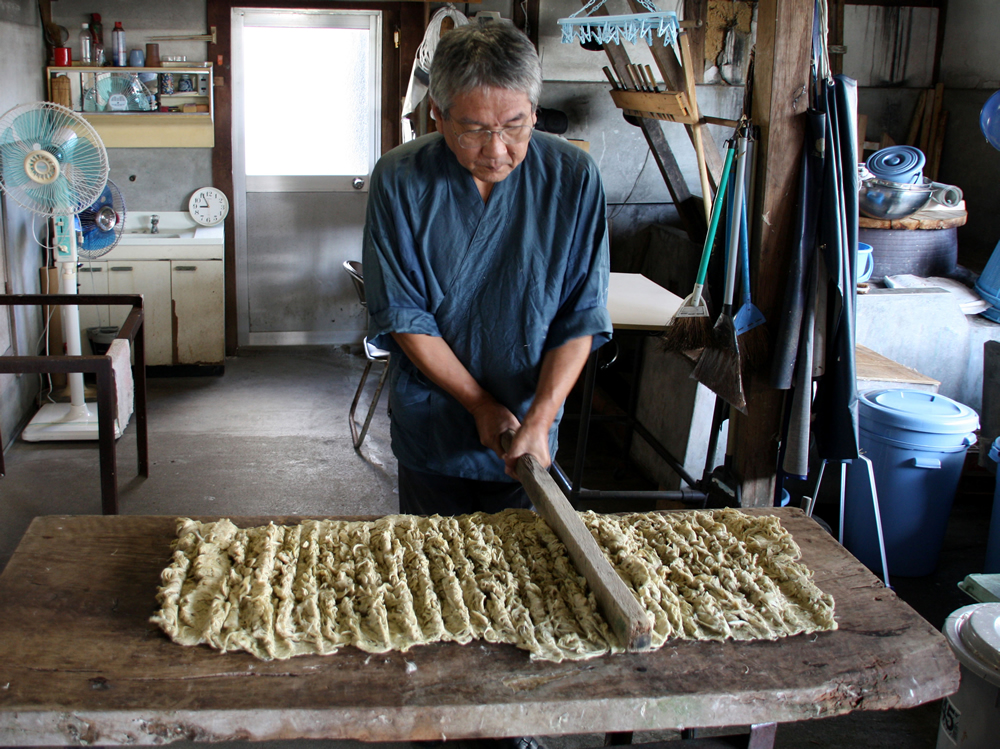
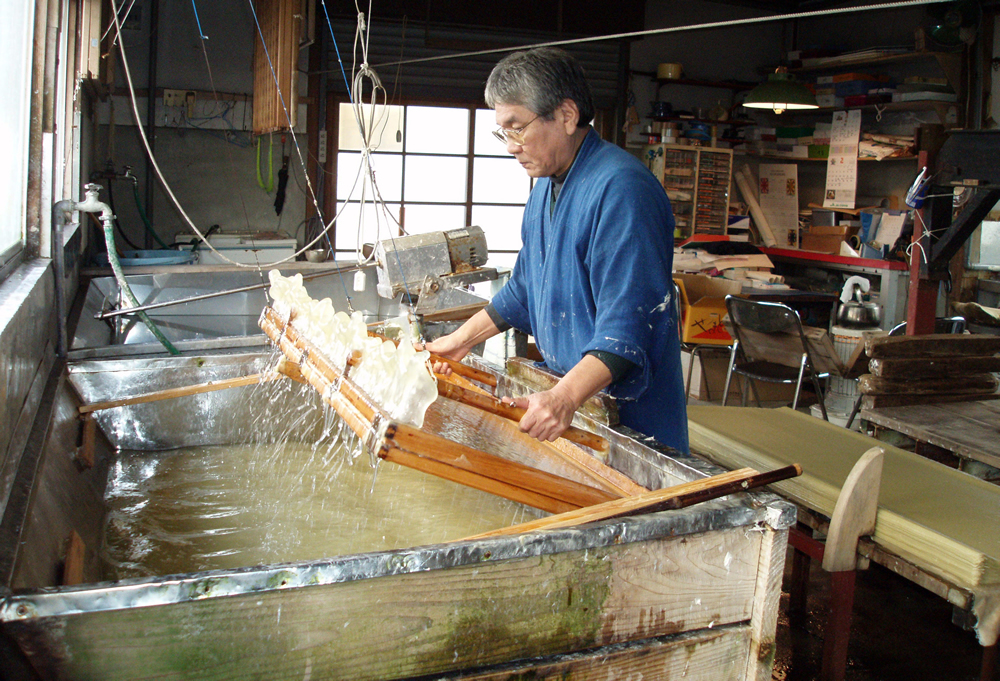
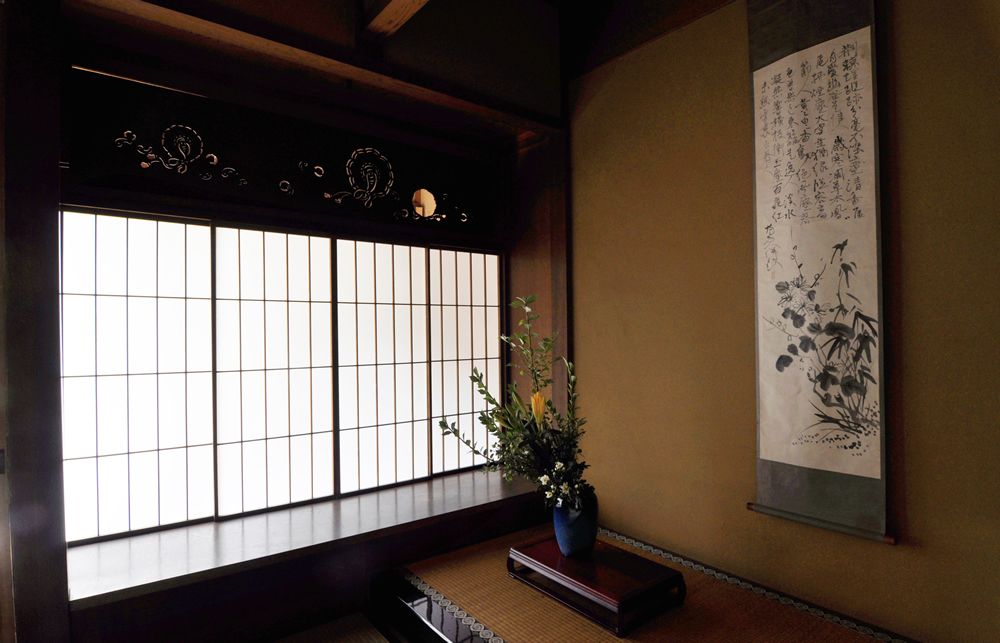
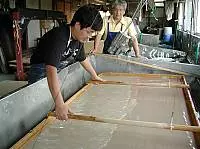
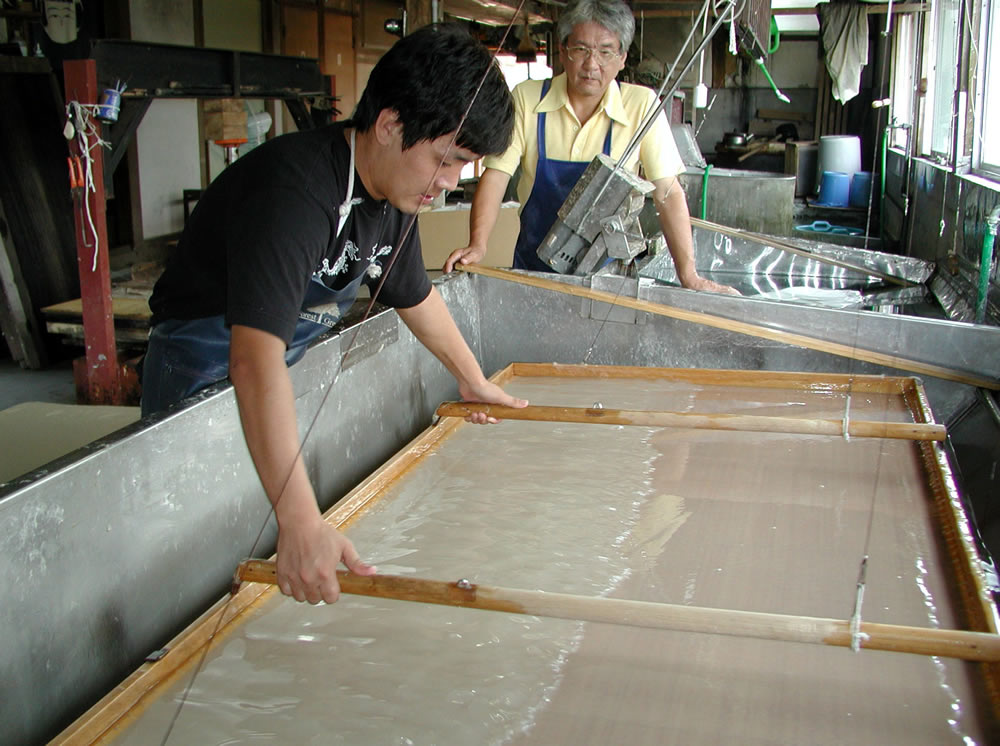
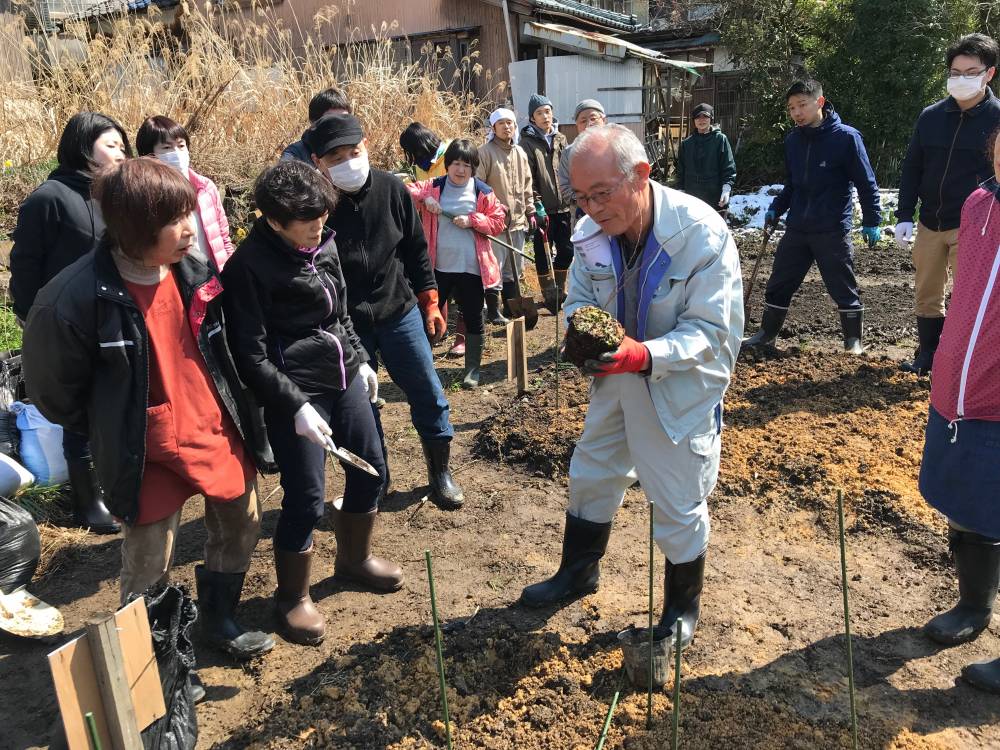
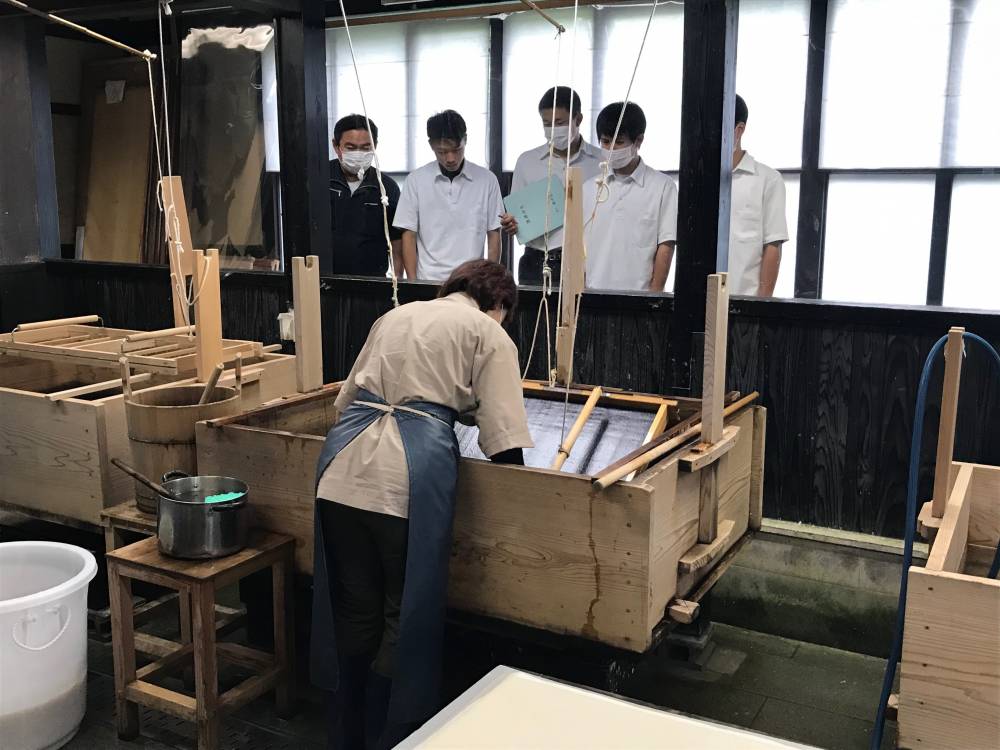
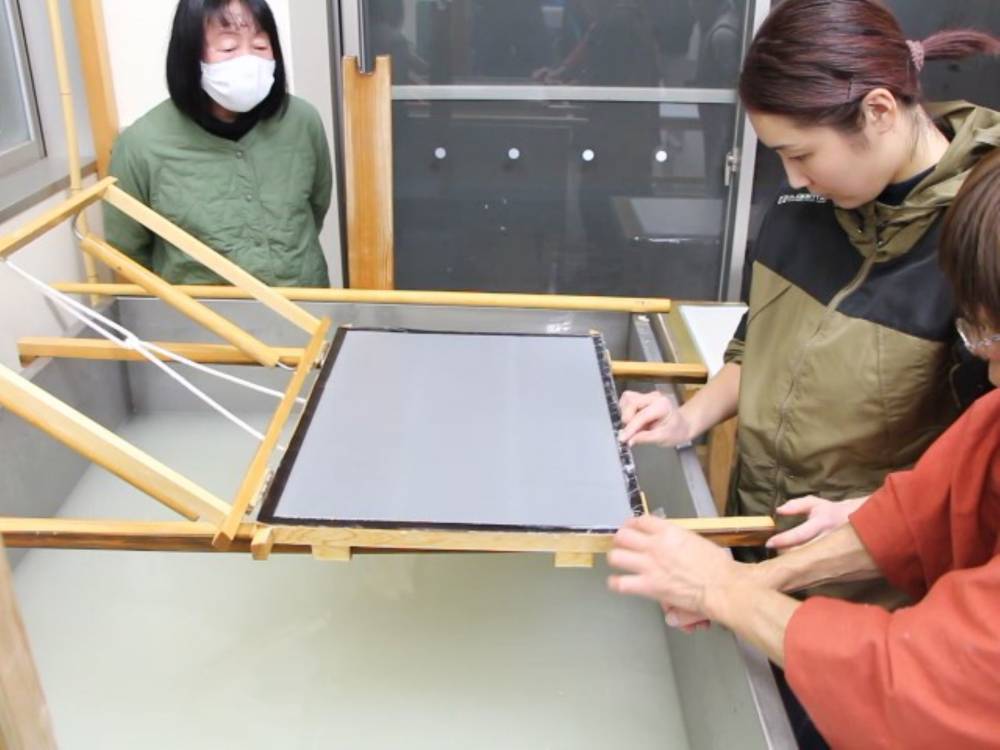
Washi craftsmanship refers to the traditional practice of making paper by hand using the fibres of the paper mulberry plant. The fibres are first separated, then soaked in clear river water to thicken before being filtered through a bamboo screen. This traditional, hand-made paper is used not only for letter writing, books and documents, but also for home interiors, such as to make paper screens, room dividers and sliding doors. Most of the inhabitants of the practising communities contribute to the process, undertaking roles ranging from the cultivation and harvesting of the mulberry plant to the creation of new Washi products to promote the craft both domestically and abroad.
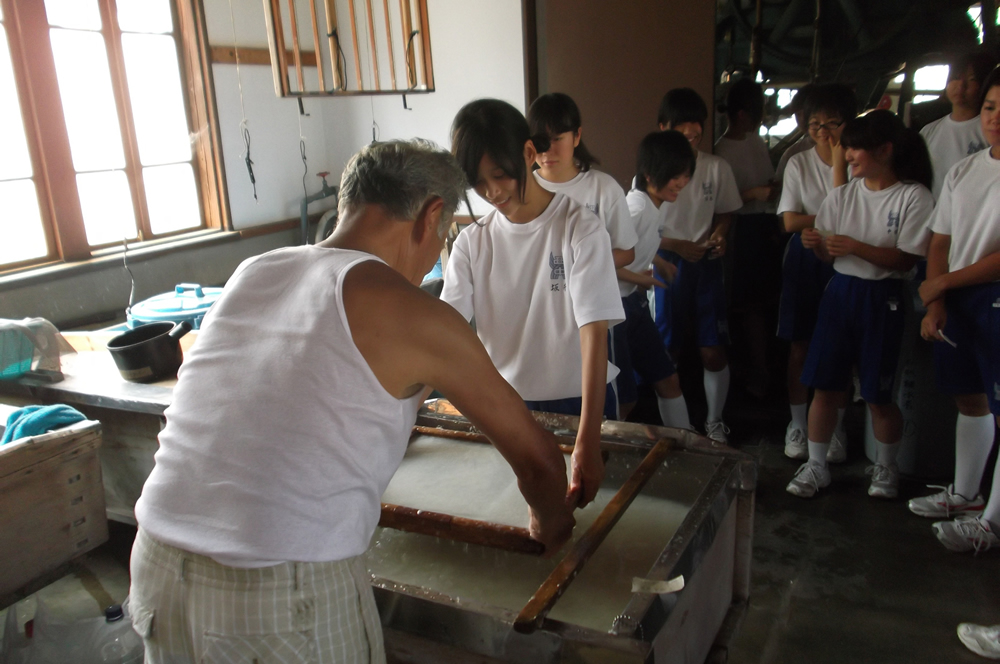
The knowledge and skills related to Washi papermaking are transmitted on three levels: within families of Washi craftspeople; through preservation associations; and by local municipalities. Practising families and their employees work and learn under Washi masters, who, in turn, inherited the techniques from their parents. Community members take pride in their tradition of Washi-making and regard it as a symbol of their cultural identity. As the communities are generally composed of people who are directly engaged in or closely related to the practice, the craft also fosters social cohesion.