Inscribed in 2025 (20.COM) on the Representative List of the Intangible Cultural Heritage of Humanity
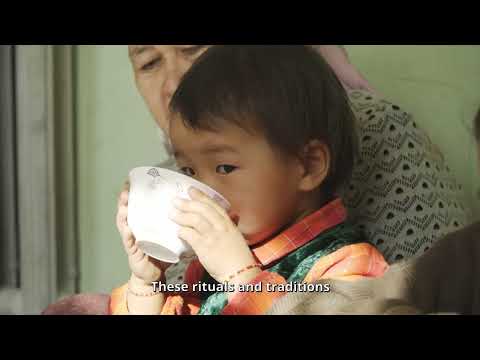
Maksym is a thick fermented drink that is often consumed in local communities in Kyrgyzstan and valued for its nourishing qualities. The preparation process involves roasting flour (usually wheat, barley or corn) in sheep fat, mixing it with water and salt, and leaving it to ferment for several hours using natural cultures. Although women traditionally prepare Maksym and men gather the ingredients, these roles are flexible and vary by household. Regional variations reflect local climates and ingredients.
The related knowledge and skills are passed down within families, especially by older women. They can also be acquired through group preparation, festivals and community events in rural areas and cities. Maksym is also taught in vocational schools and promoted through books, blogs and films. Organizations, scholars and traditional knowledge holders work together to safeguard and promote the practice. Maksym is enjoyed by people of all ages, backgrounds and regions. It plays an important role in bringing people together and expressing care and hospitality. The cultures used for fermentation carry symbolic meaning, representing prosperity and the continuation of tradition. A common blessing expressed during its preparation, ‘May you never run out of culture’, attests to its profound importance and unifying role in society.


