Inscribed in 2025 (20.COM) on the Representative List of the Intangible Cultural Heritage of Humanity
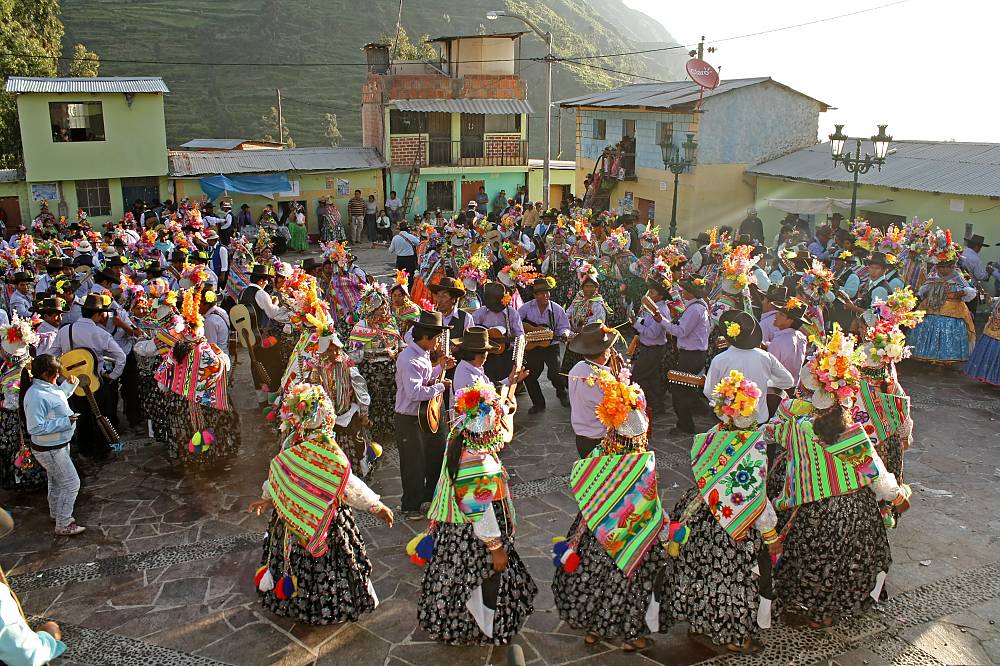
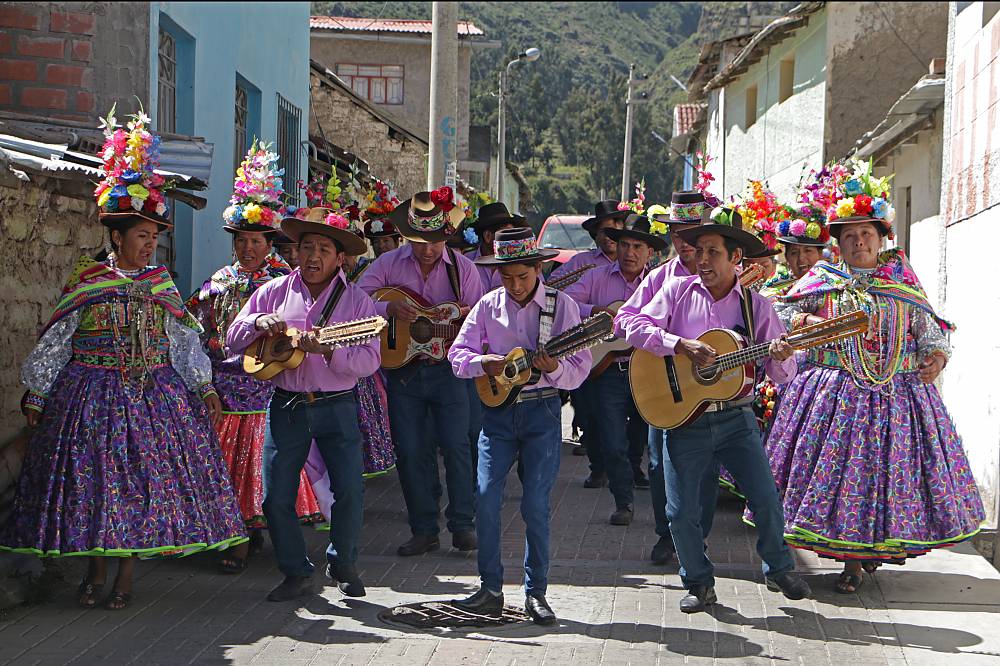
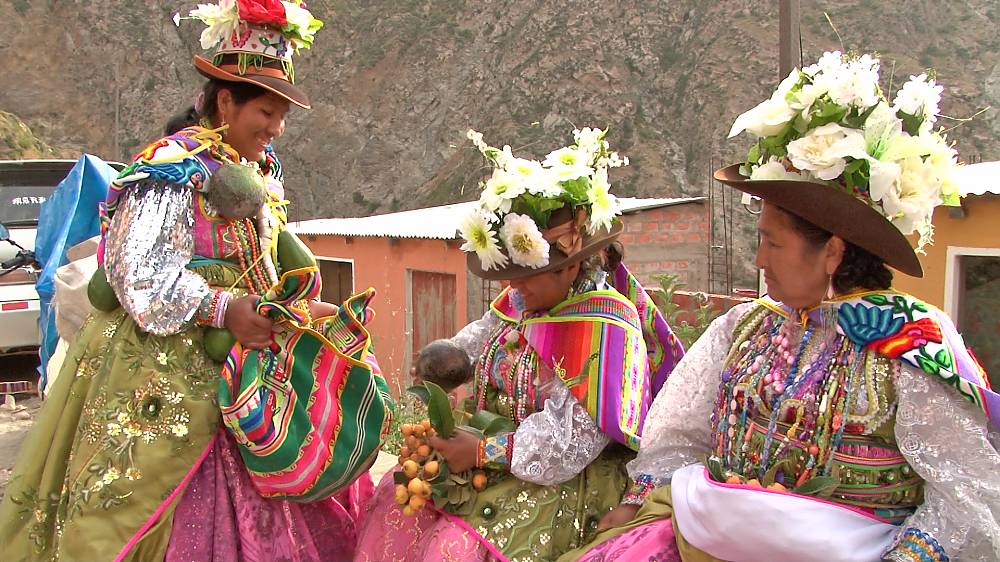
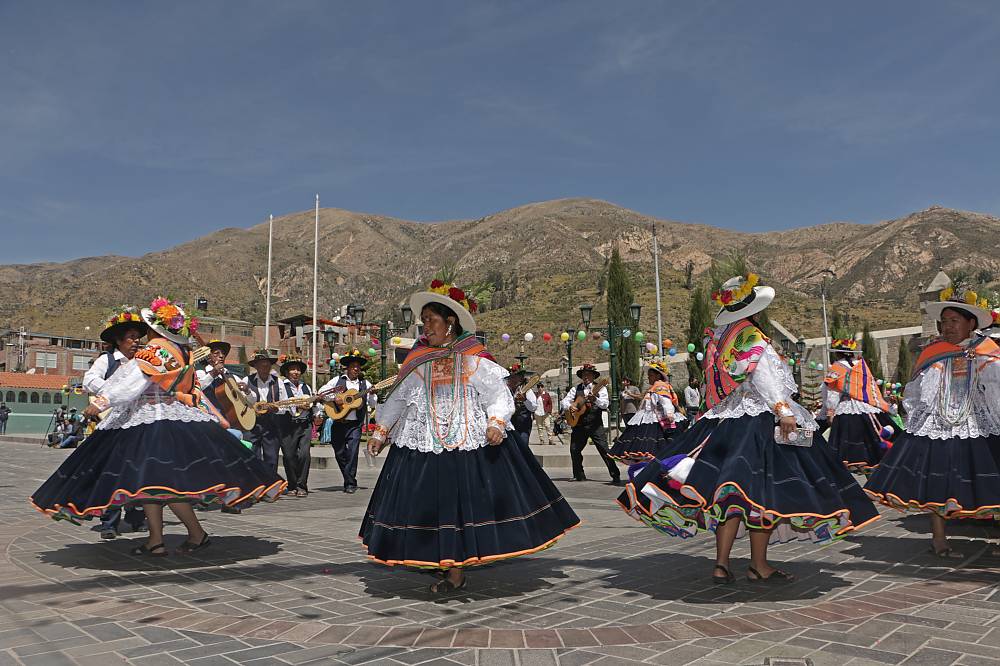
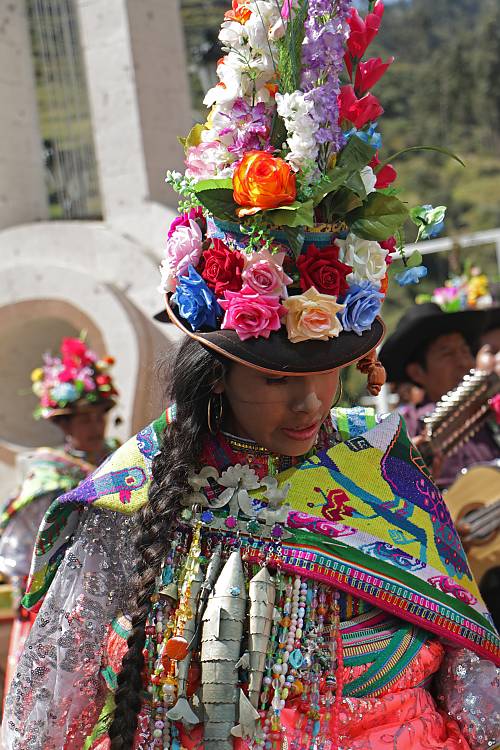
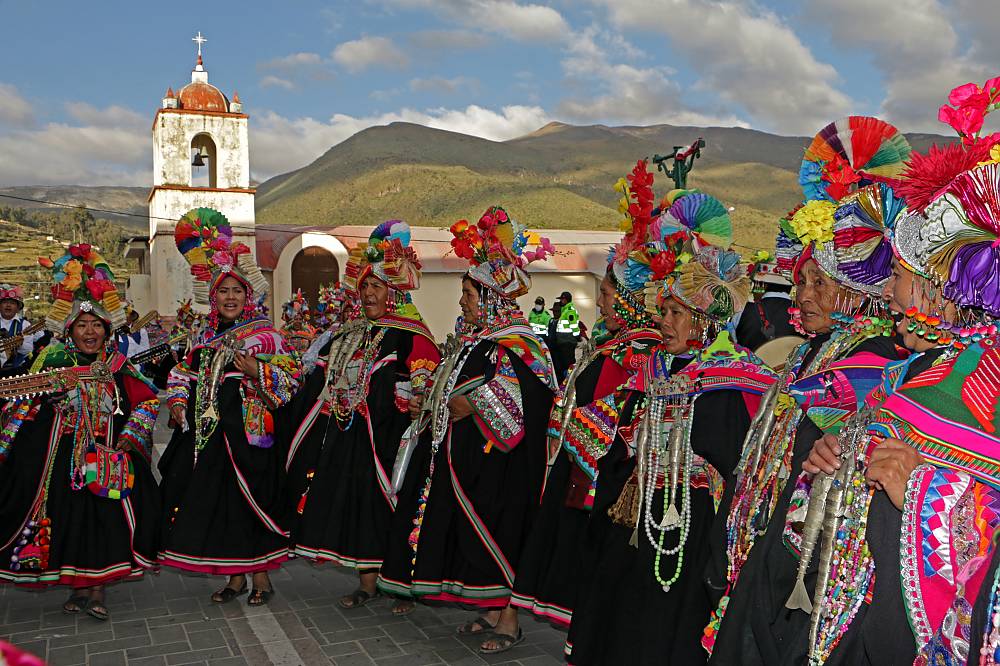
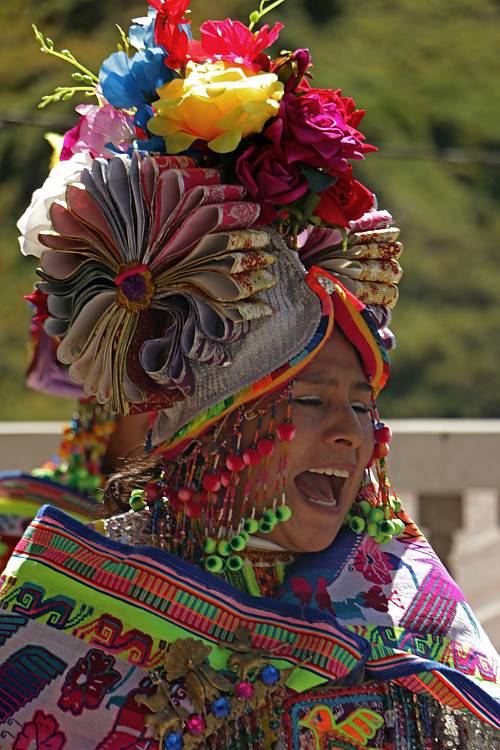
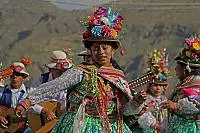
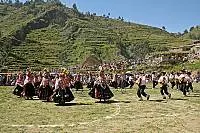
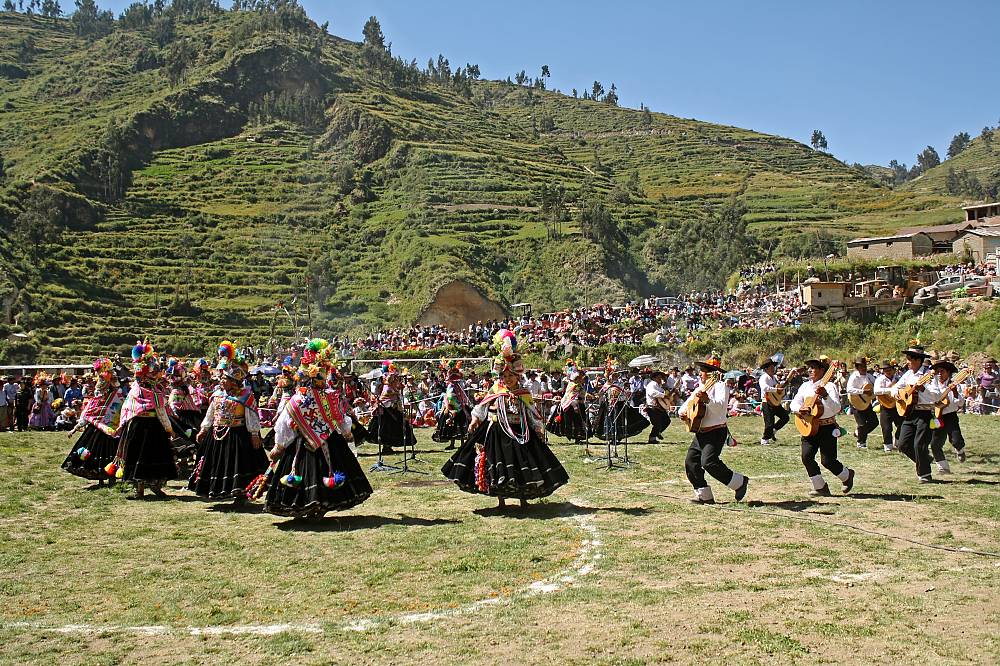
Sarawja, also known as Sarawjatana, is practiced in the valleys of Ticsani and San Felipe, in the Andean region of Moquegua. This annual celebration is held after the Catholic Holy Week, marking the end of the rainy season and the beginning of the harvest. It features a ritual dance performance by dance groups known as ‘ruedas’, or wheels. The dancers move in concentric circles or parallel rows, mimicking the flight patterns of ‘kiwlas’, Andean birds. The women wear a traditional wool garment and move in fast circles, while men accompany their movements by whistling, stomping and playing instruments. The dance groups, which are made up of married couples and their friends, travel from village to village to perform, and are welcomed with local food and products.
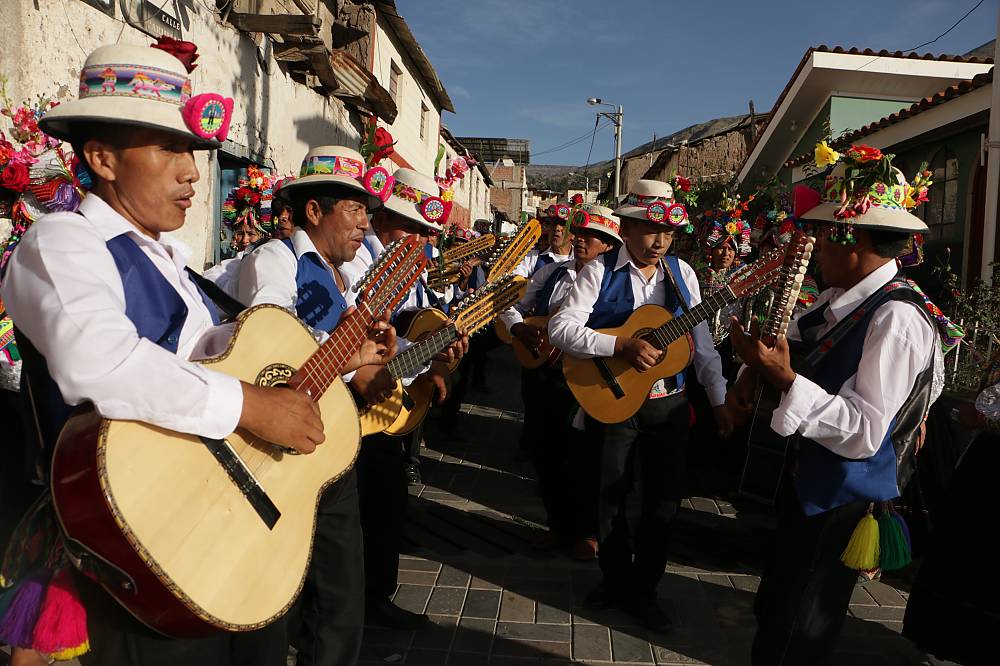
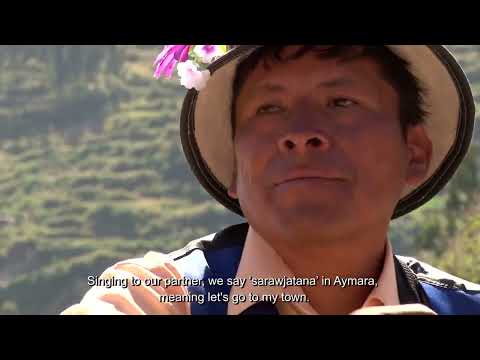
Sarawja songs are performed in Aimara and Spanish, by people of all genders, and are usually accompanied by the ‘charango’, a string instrument. The songs are a means of passing down traditional stories and knowledge. The knowledge and skills related to Sarawja celebrations are transmitted within the family circle, through dance groups and festivities, as well as by cultural institutions. A celebration of life and agricultural cycles, the practice is deeply connected to local culture, history and the land, promoting the exchange of local products while fostering kinship and dialogue among the bearers.