Inscribed in 2025 (20.COM) on the Representative List of the Intangible Cultural Heritage of Humanity
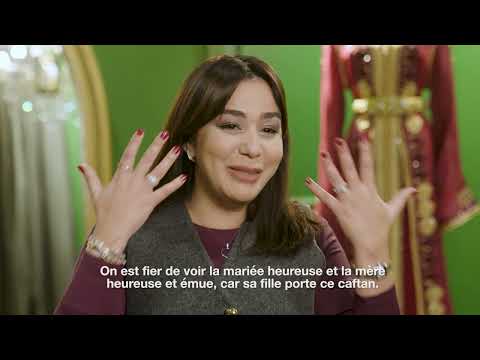
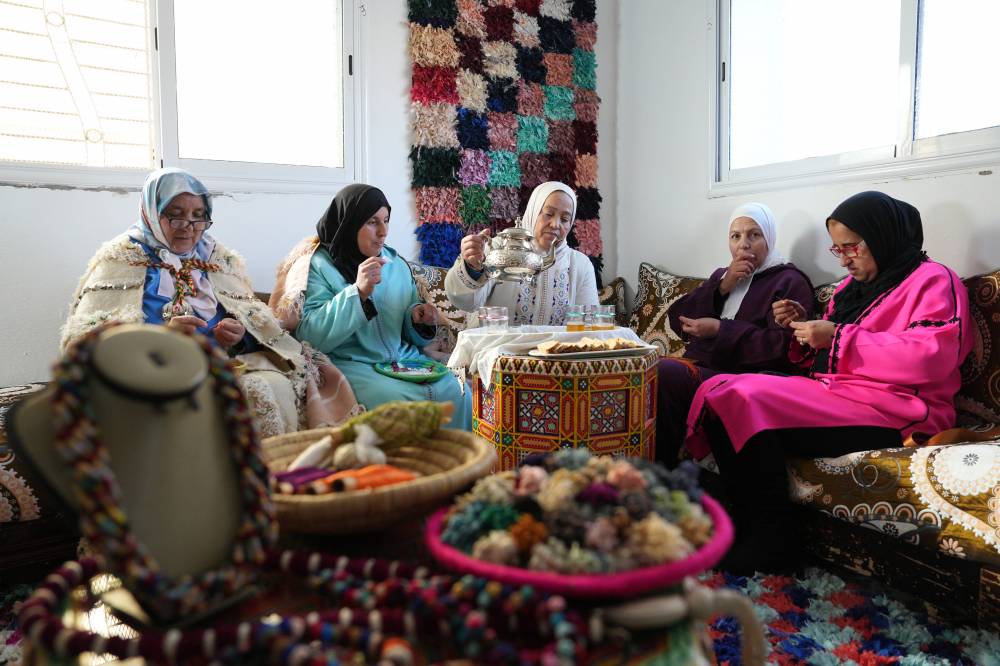
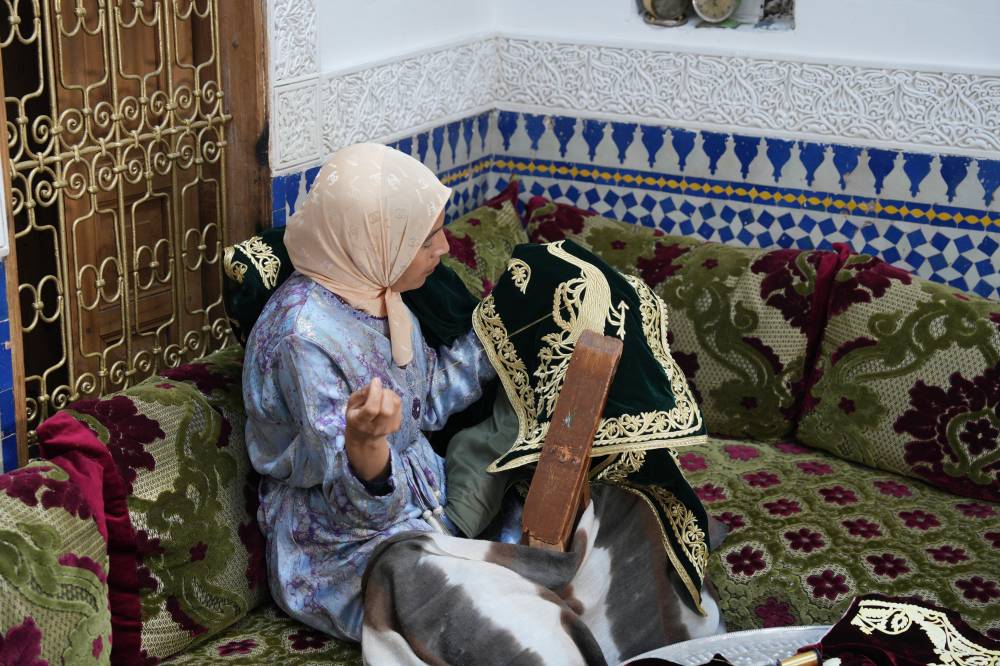
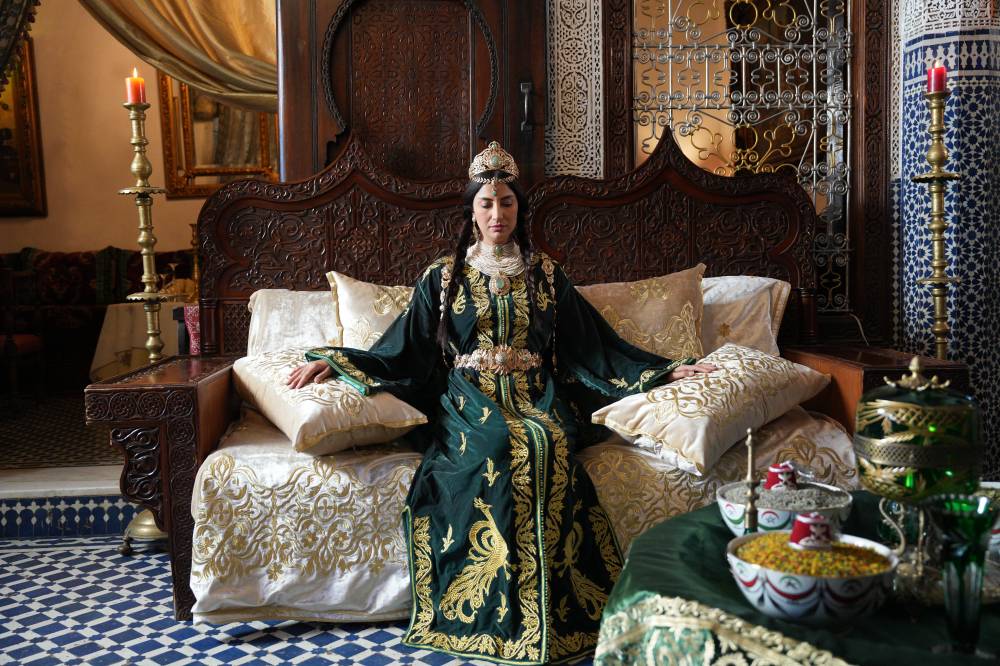
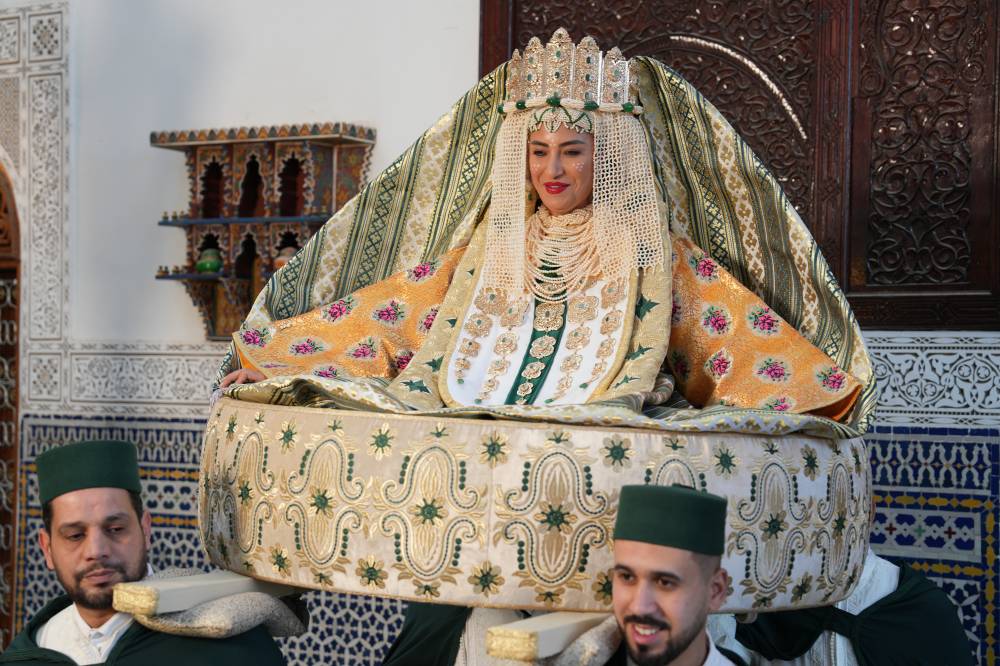
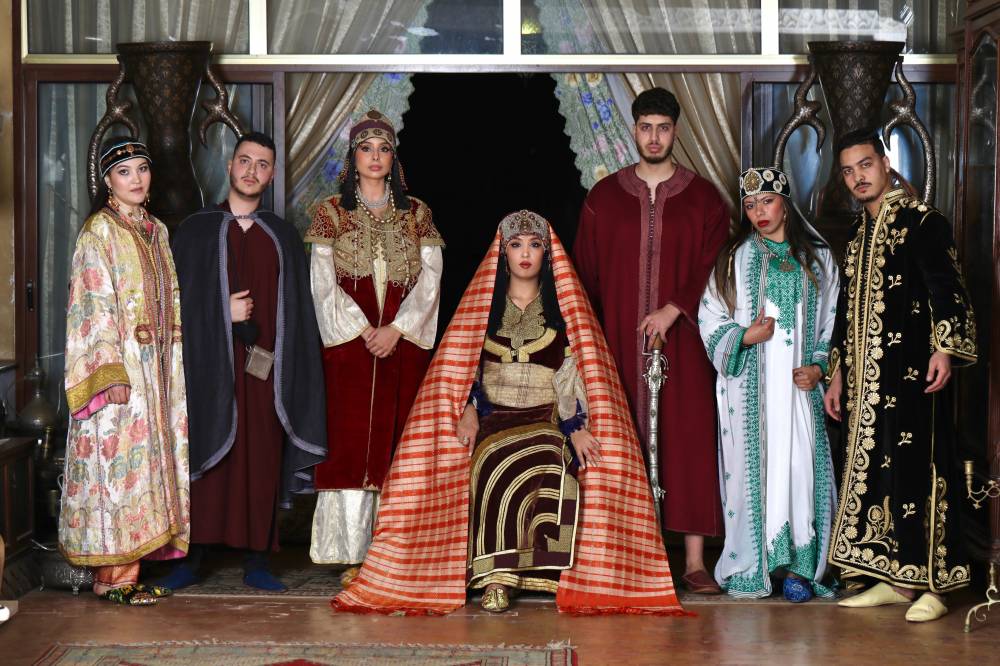
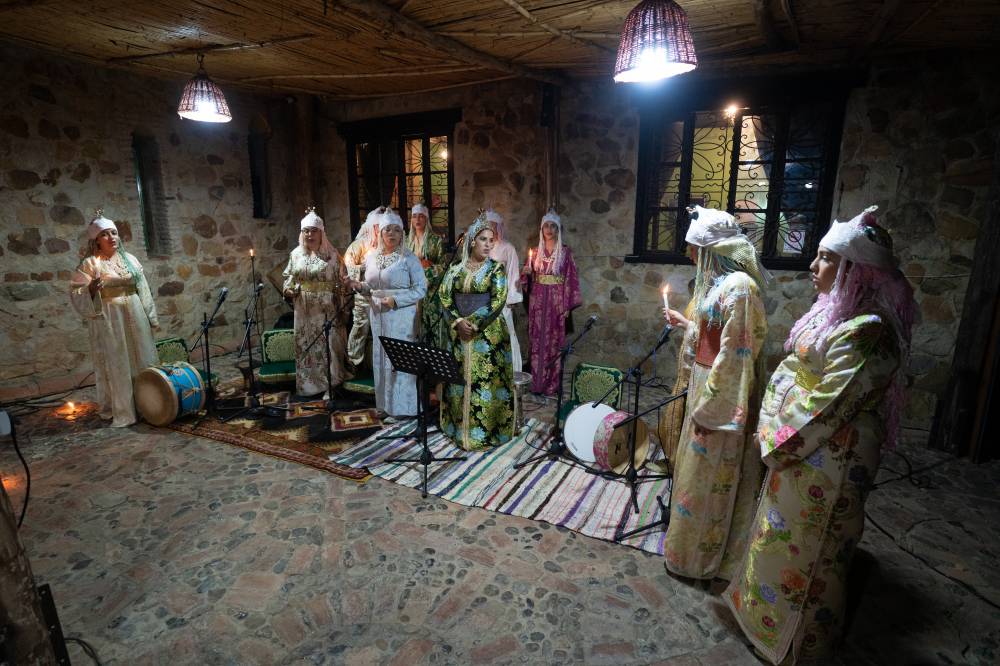
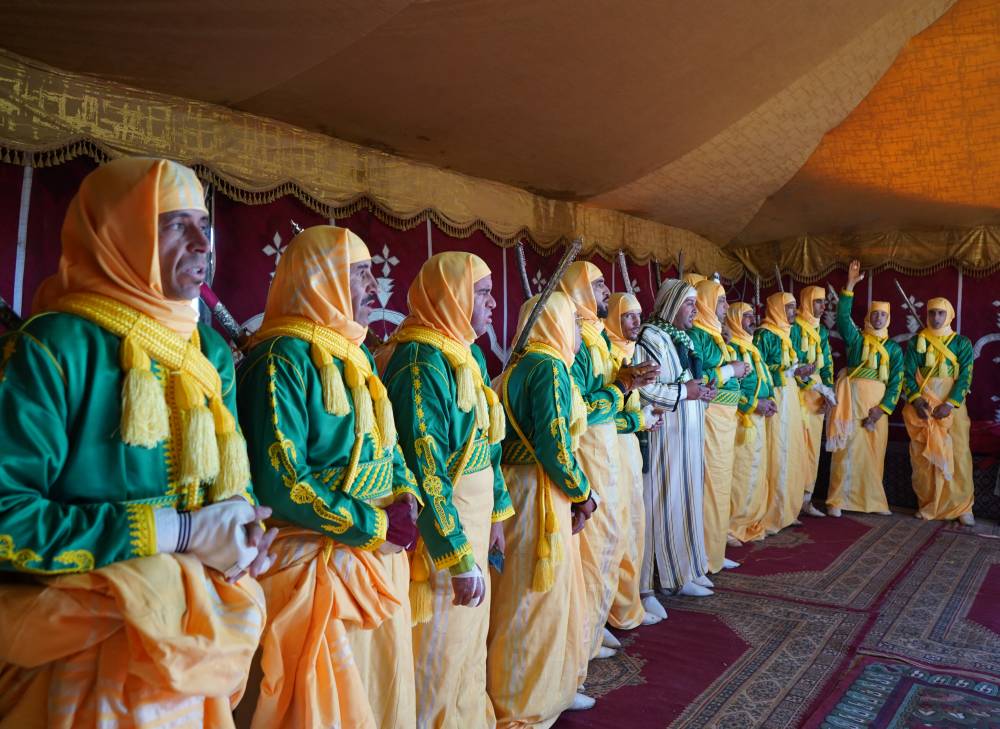
The caftan is a long tunic worn by people of all genders and ages for special occasions and celebrations. It comes in different styles and fabrics and can be worn with or without a decorative belt. Emanating from diverse cultural backgrounds, the traditional garment is known for its central opening, buttons and rich, hand-made decorations, often including embroidery, beads and sequins. The caftan is worn during important social and religious events such as weddings, baptisms, coming-of-age rituals and festivals.
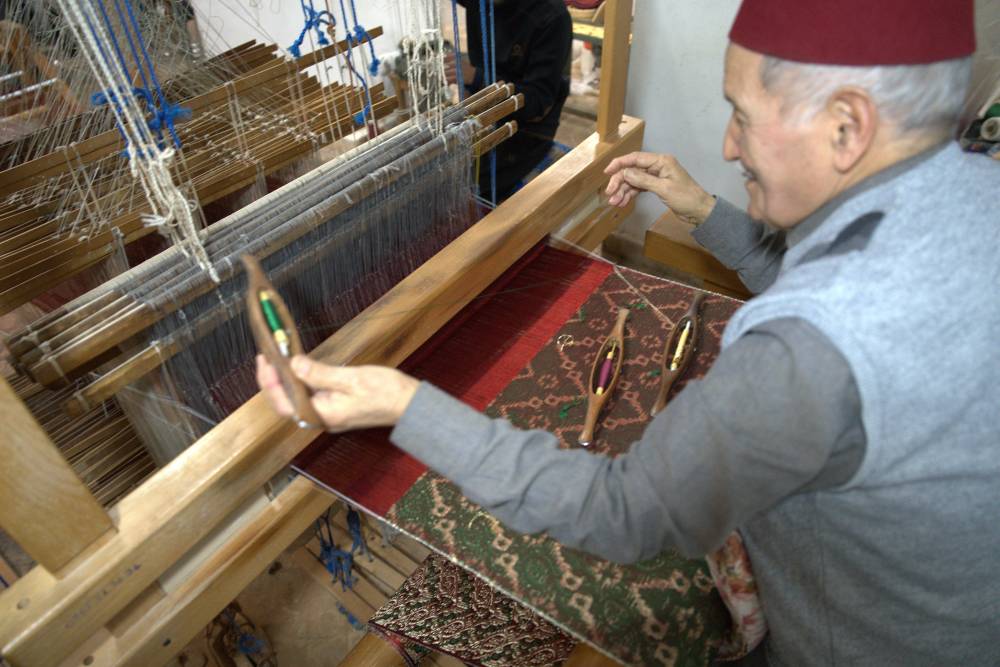
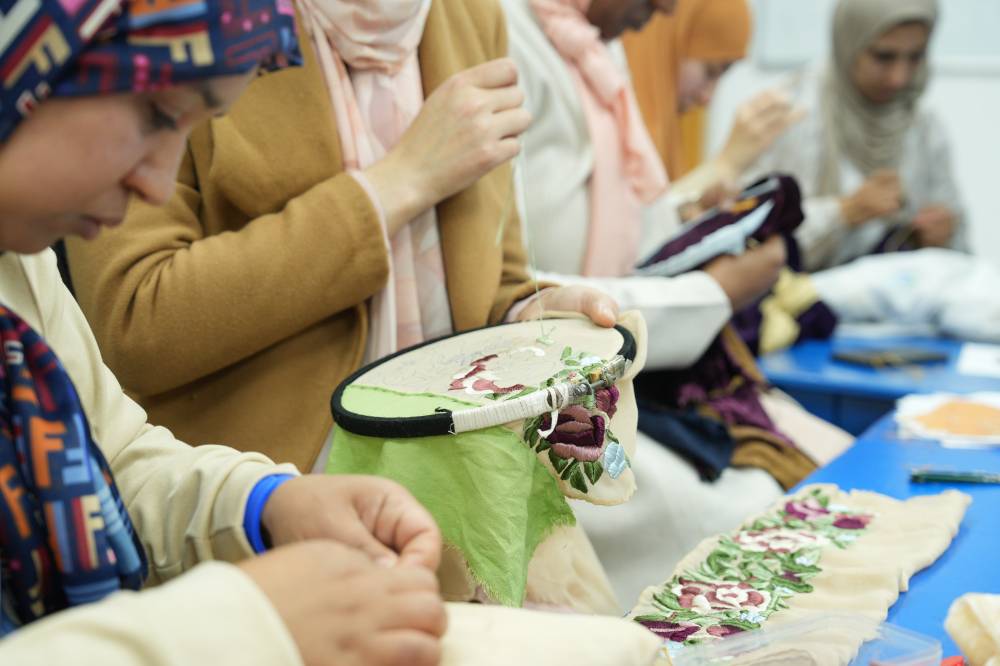
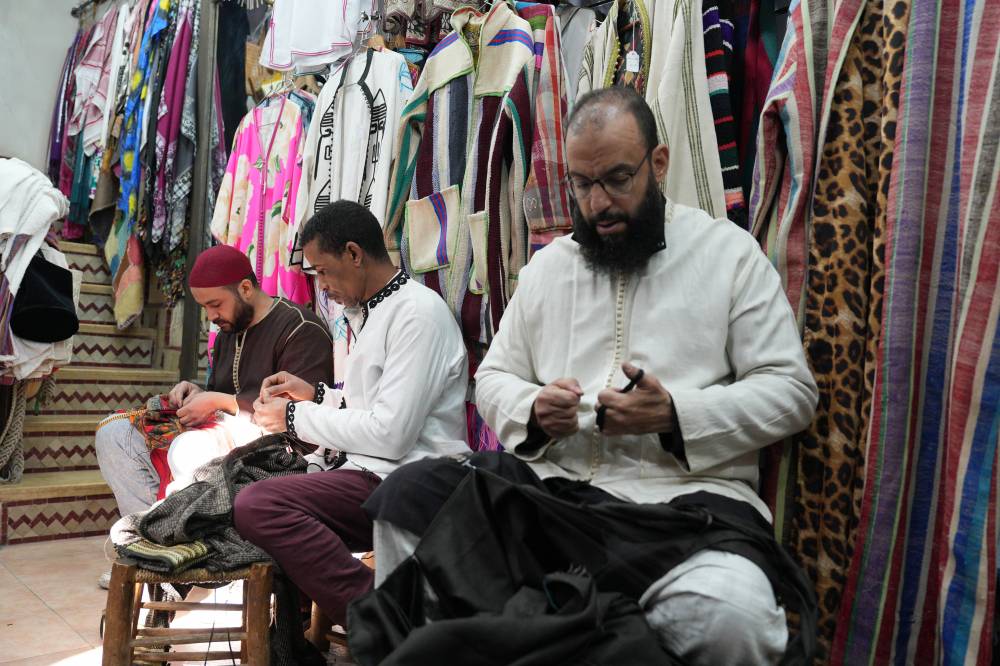
The production of the caftan involves skilled craftspeople, including the weavers who produce the fabrics (brocade, velvet and silk), the tailors who shape the garment, and the artisans who create the buttons, braids and embroidery. The related knowledge and skills are passed down informally, both within families and through apprenticeships taking place in workshops, as well as through formal education in training centres and fashion schools. A meaningful element of community life and shared heritage, the caftan is a marker of social status and belonging. It is also a source of income for the many people involved in its production and sale.