Traditional weaving of Al Sadu
Inscribed in 2025 (20.COM) on the Representative List of the Intangible Cultural Heritage of Humanity
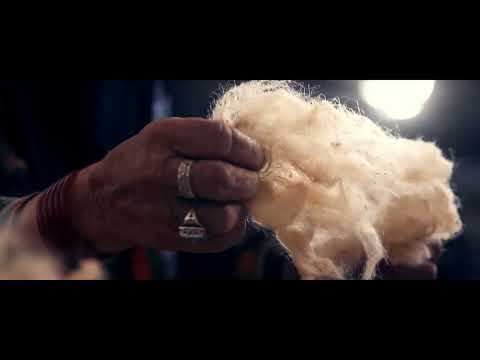
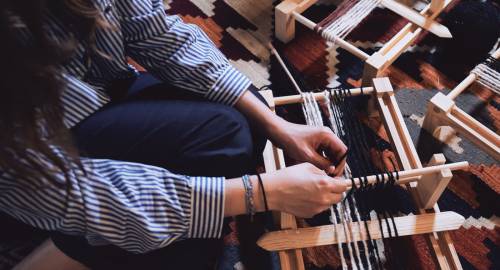
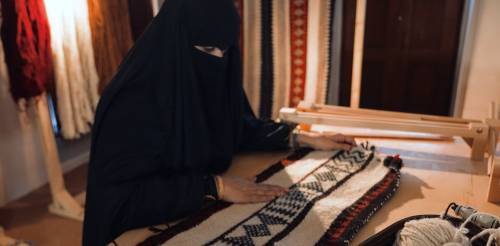
Traditional weaving of Al Sadu refers to a woven textile made by Bedouin women using a ground loom. The weavers use natural fibres found in their environment to make a tightly woven, durable textile. The patterns found in Al Sadu weaving reflect the desert environment in its simple, pure form, featuring geometric designs combined to flow in rhythmic repetition and symmetry. Weavers also use bright colours such as reds and oranges to liven up the surroundings. The beauty of each woven item depends on the quality of the spinning and weaving and the expertise of the weaver; the finer the yarn, the more pronounced and delicate the structure and design pattern.
Over time, the textile has become less a functional object and more a symbol of shared tradition and culture. The primary bearers of Al Sadu are older Bedouin women who are master weavers. They play a key role in transmitting the related skills to others, most often within their households. Associations and educational organizations also play an important role in passing on the skills and knowledge through classes, workshops and exhibitions. A vital cultural, economic and social practice, Al Sadu reflects shared heritage and the importance of female roles in Bedouin society.