Inscribed in 2025 (20.COM) on the Representative List of the Intangible Cultural Heritage of Humanity

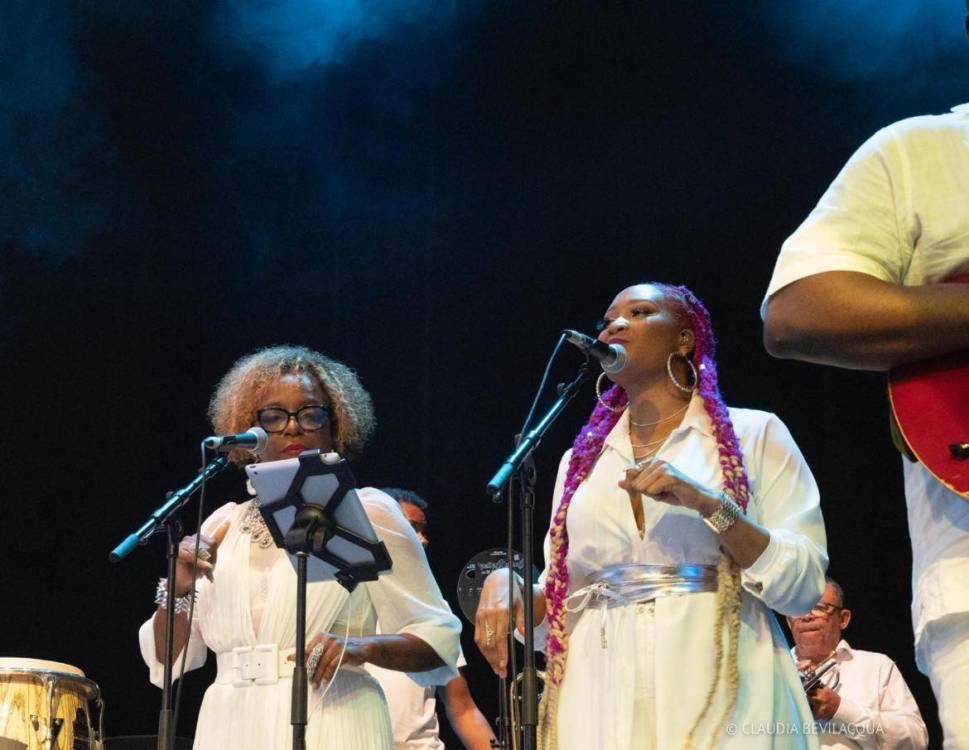
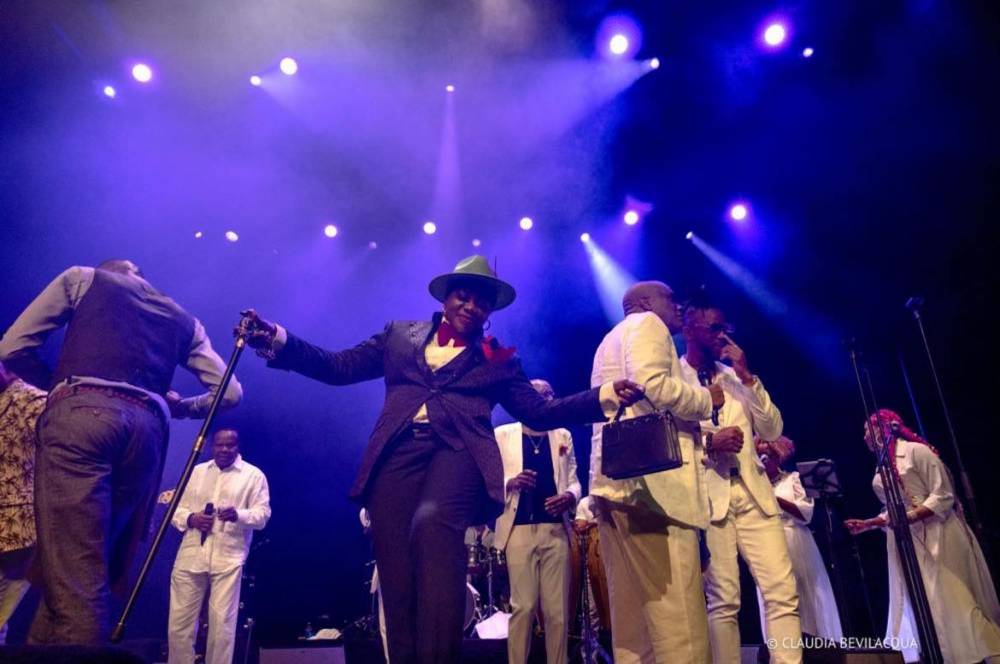
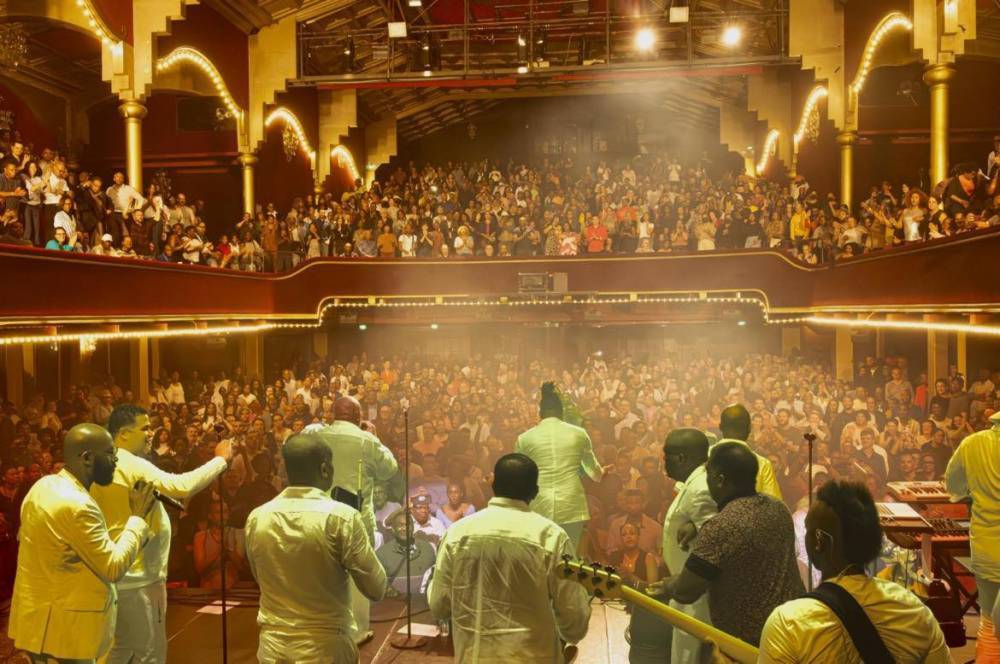
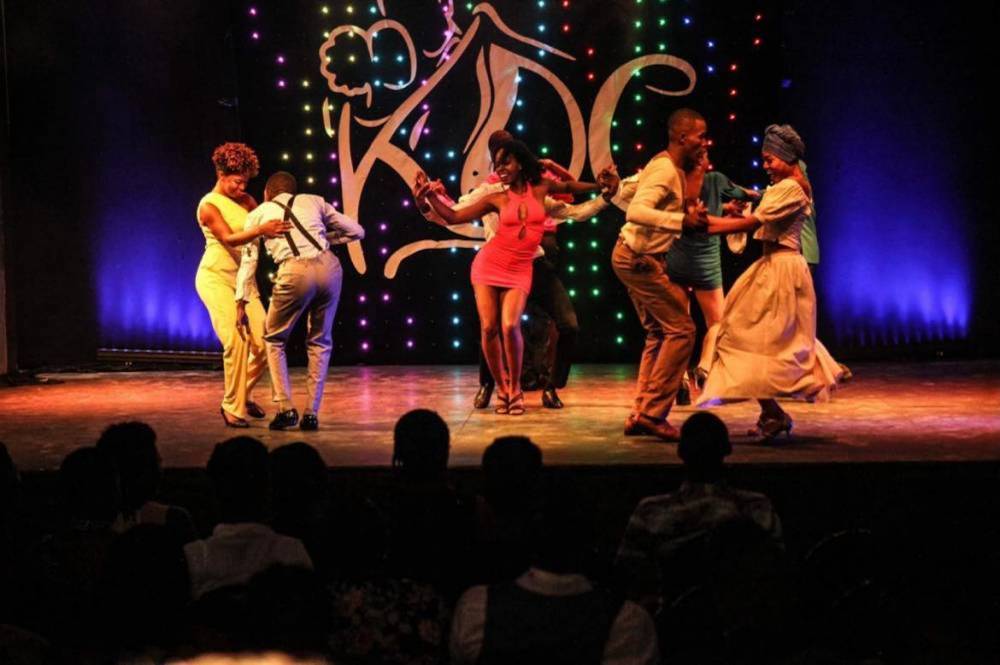
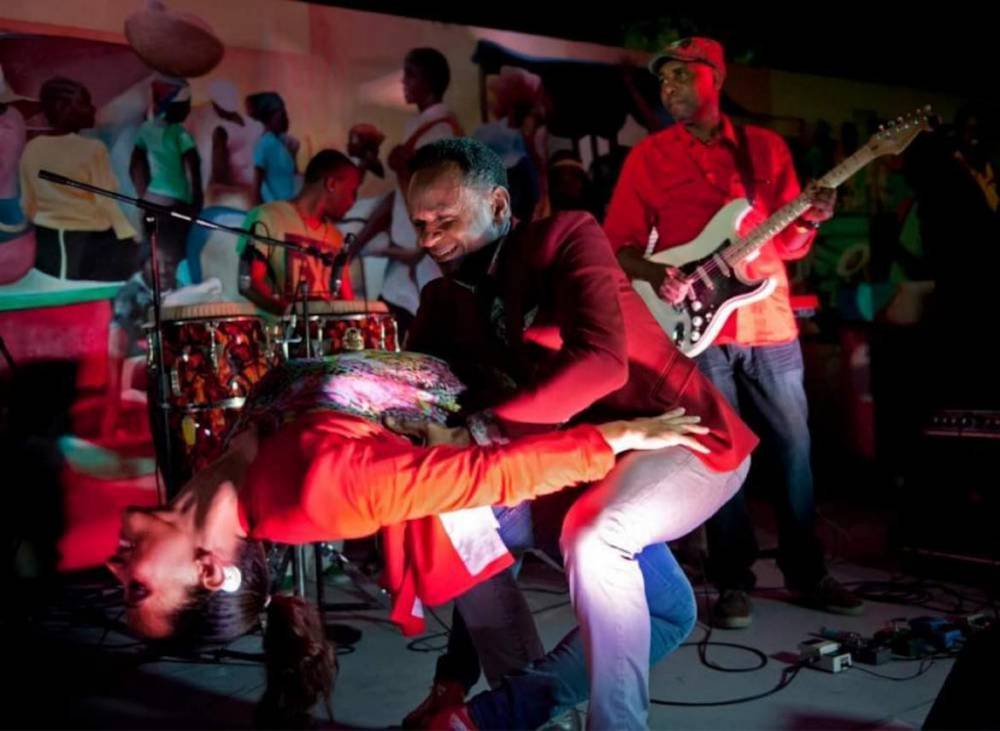
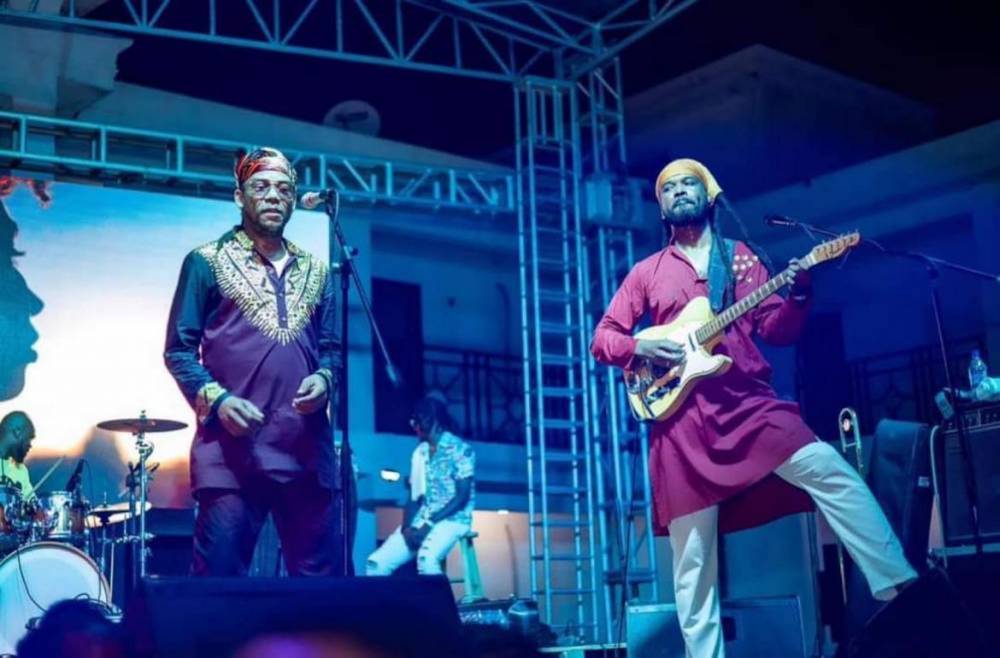
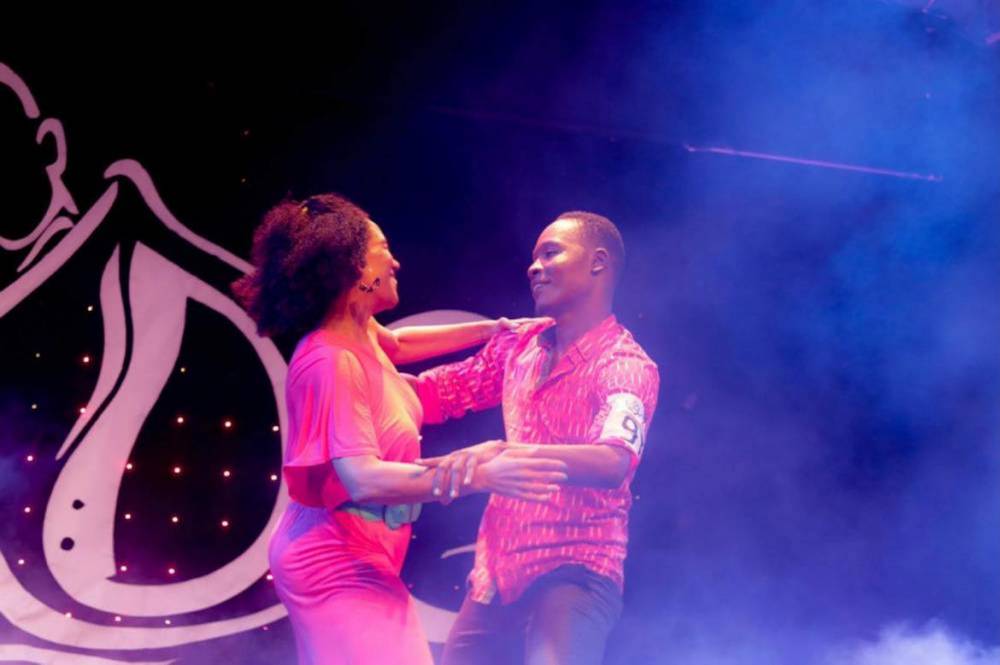
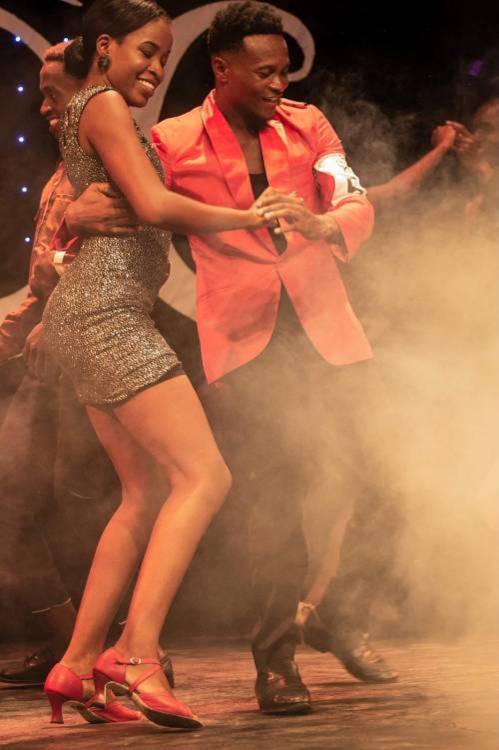
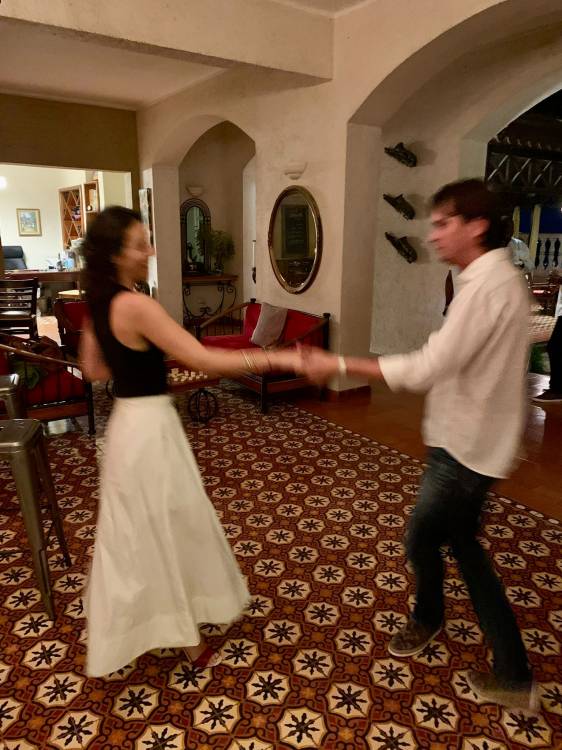
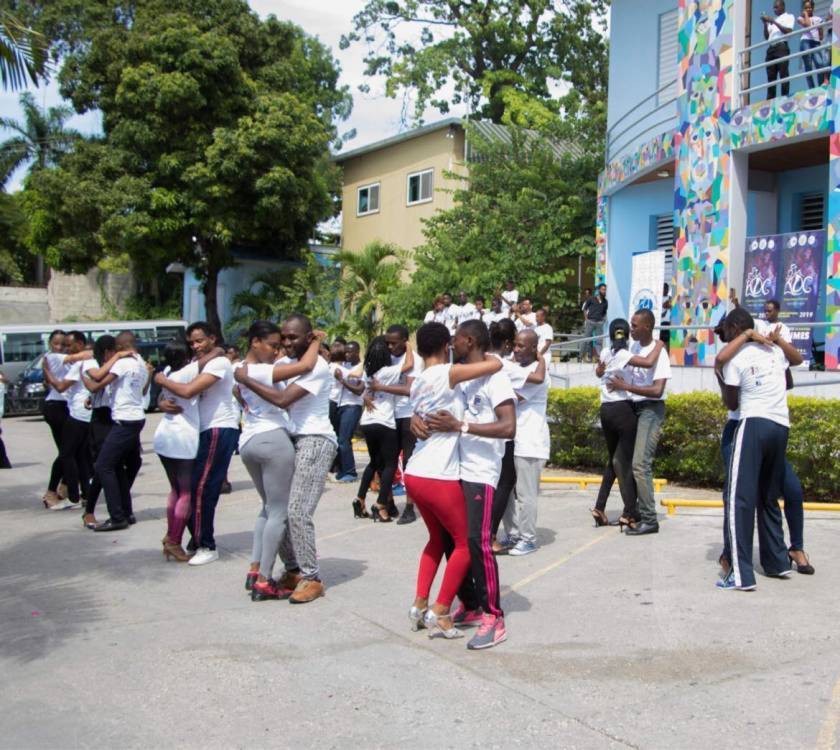
Compas is a popular music and dance genre that holds deep cultural significance for the practising communities. As strong identifying factor, it brings together people of all ages, genders and backgrounds. The music is characterized by a syncopated rhythm and accompanied by instruments such as guitars, keyboards and drums. Compas combines African, European and Indigenous influences, and often touches on themes such as love, freedom, peace and resistance. The Compas dance, a rhythmic walk, is marked by pelvic movements, alternating steps and a physical connection between the dancers. It is a means of expression that is often used in couples therapy and shared among family members and friends.
Deeply rooted in the identity of its bearers, Compas is an important part of festive and ritual events and a key element of celebrations and personal milestones for individuals, families and communities. The related knowledge and skills are passed down through the generations, with families, communities, schools and artists transmitting the music and dance through informal means, such as workshops and festivals. Dancers, choreographers, orchestras, producers and other professionals also play an essential role in the creation and transmission of the element. Compas is a symbol of resilience and a celebration of cultural heritage, social cohesion and shared identity.