Inscribed in 2025 (20.COM) on the Representative List of the Intangible Cultural Heritage of Humanity

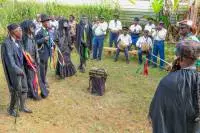
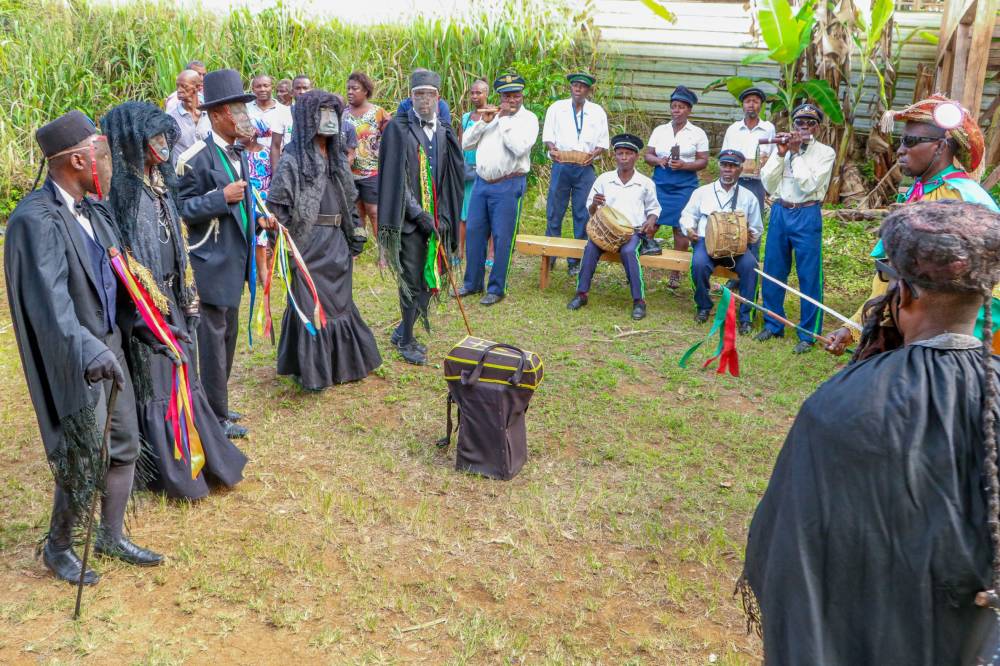
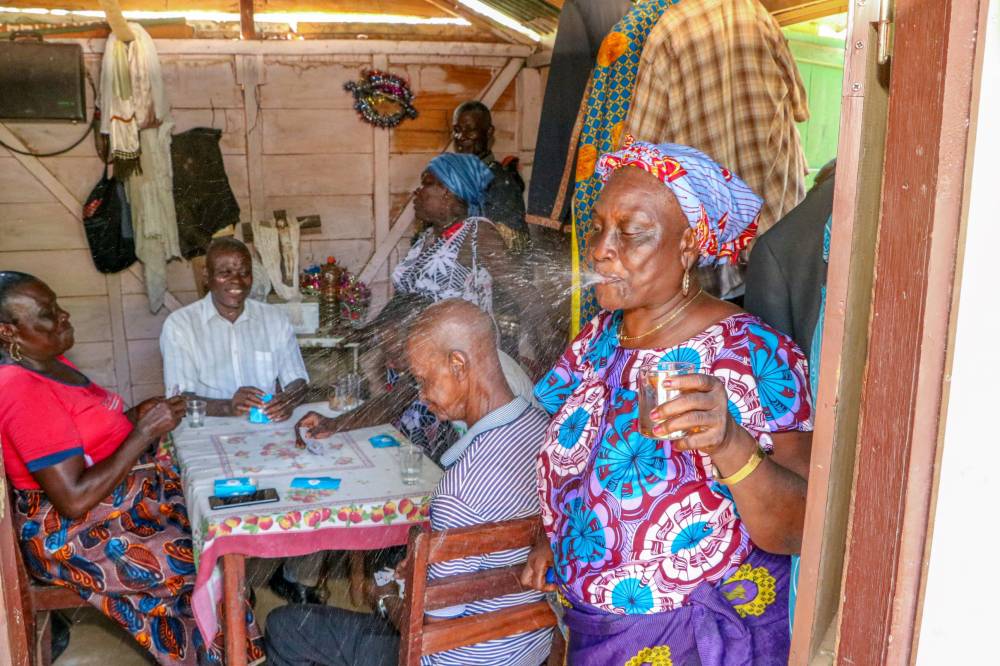
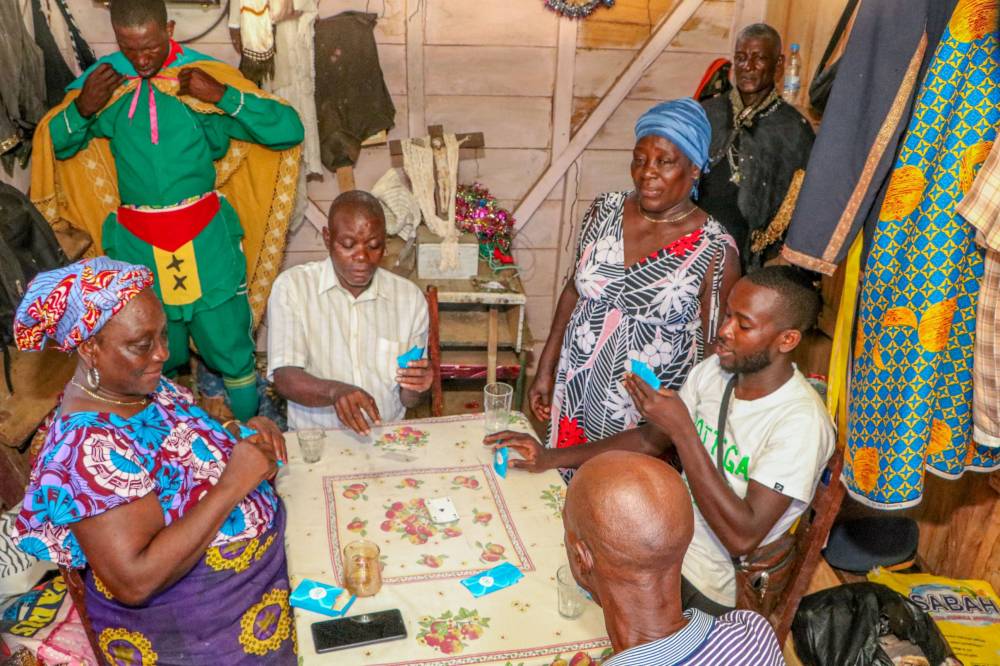
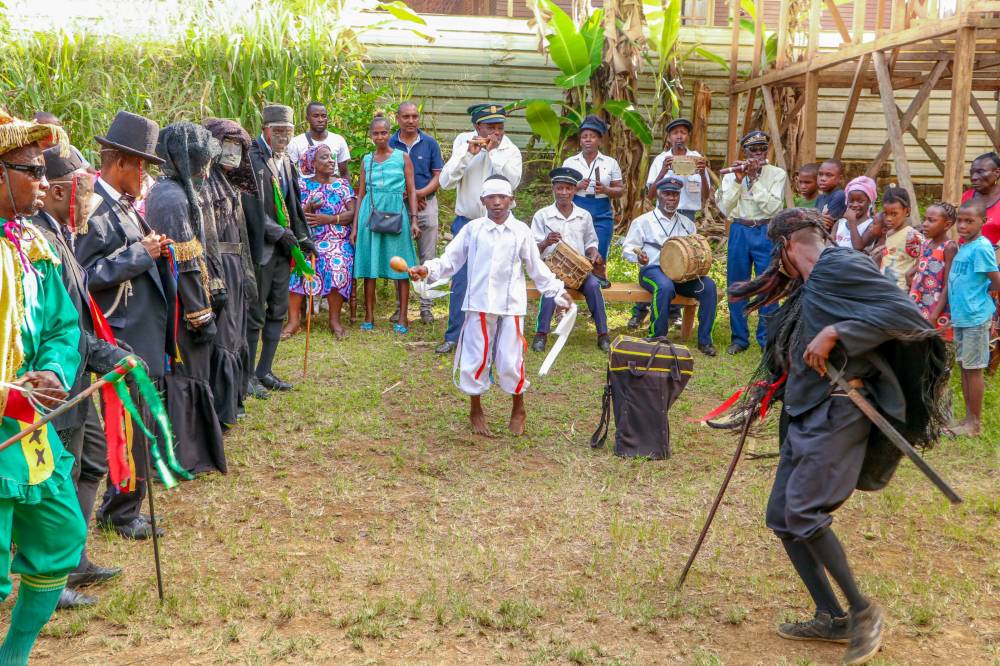
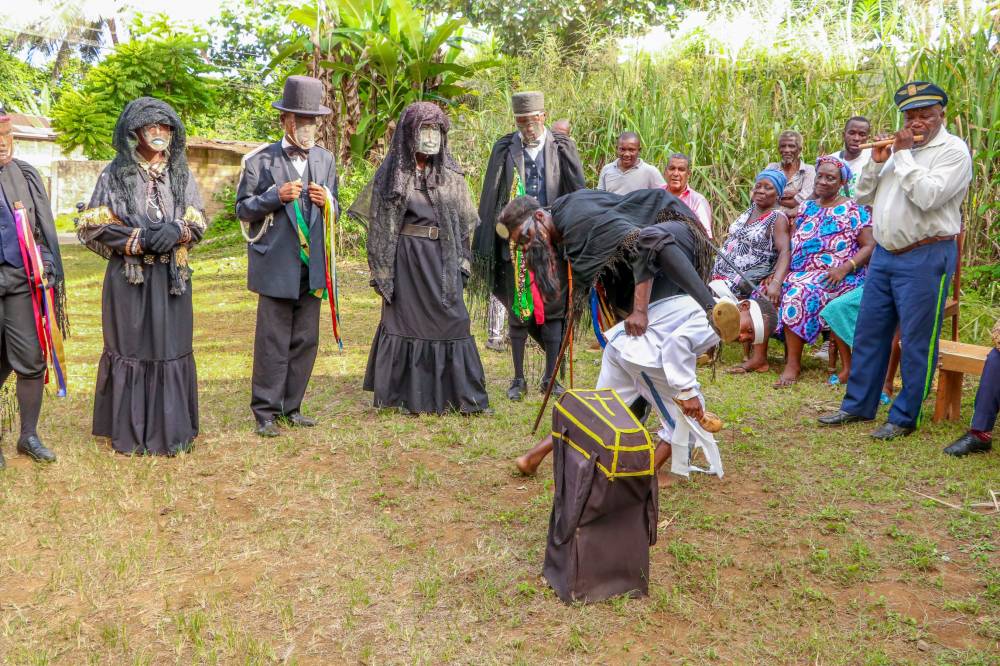
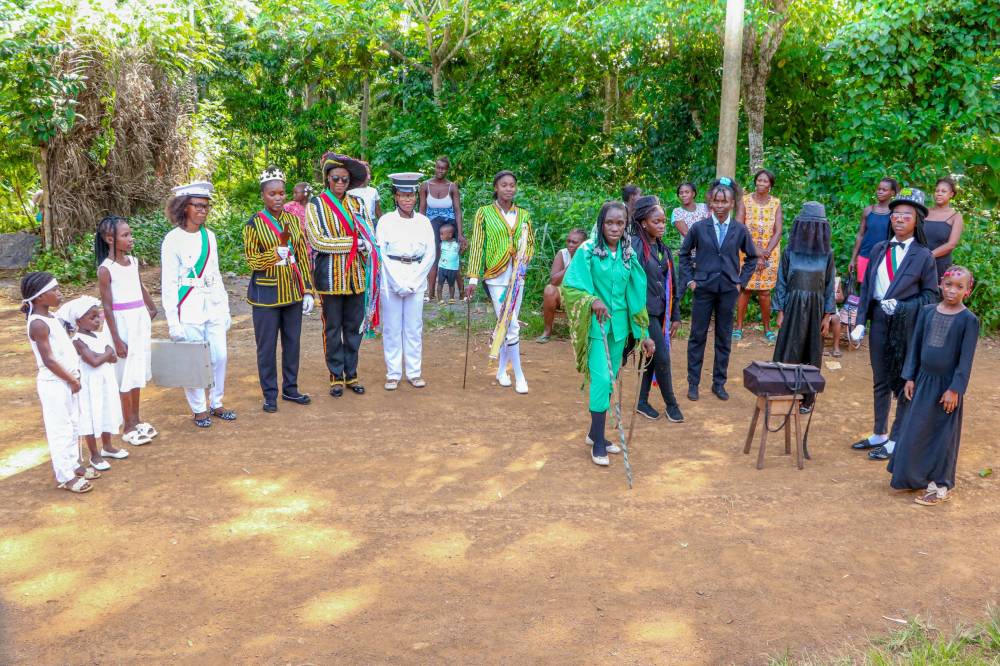
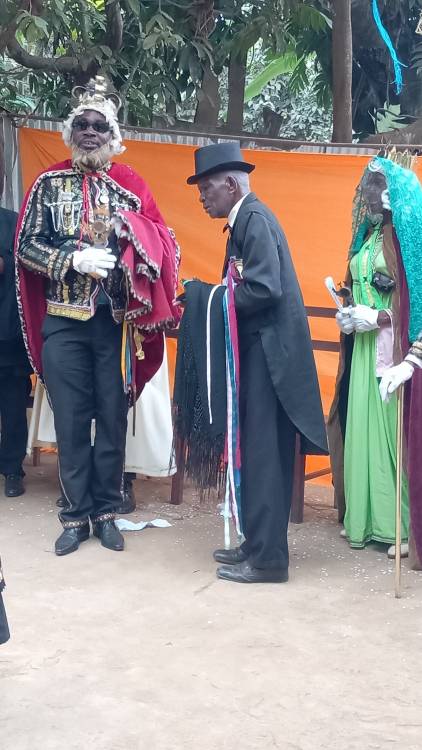
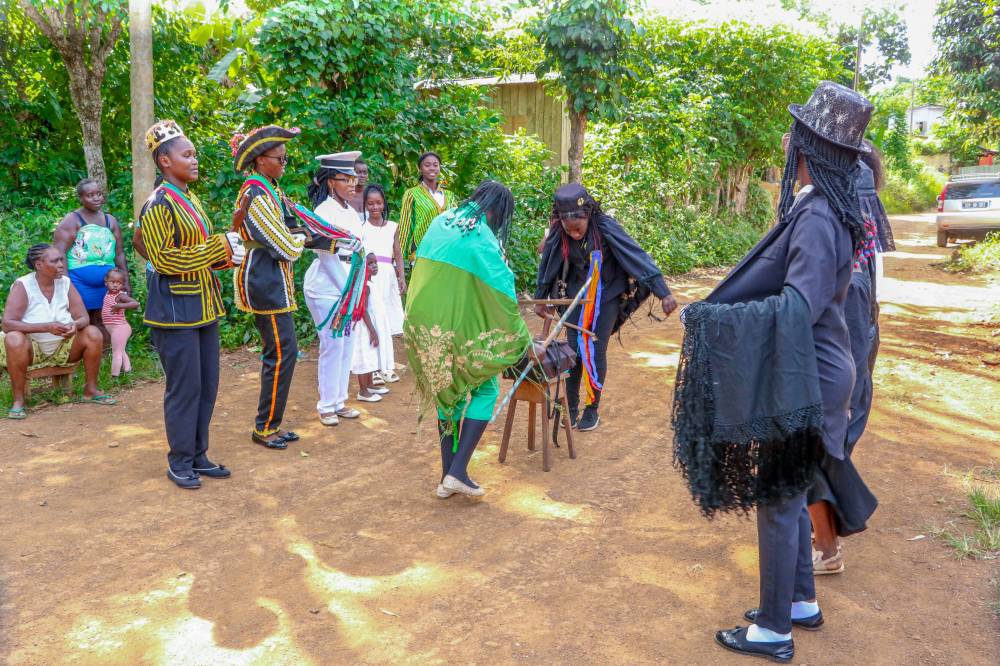
Tchiloli is a traditional form of open-air theatre involving actors, musicians and an engaged audience. It is performed in an open space during festivals or public events, typically starting with a ritual led by women. Inspired by a traditional play, the story centres around a murder trial and involves about thirty actors. These actors represent different roles in the justice system: the family of the victim, the emperor and his court, and various legal and public figures. The main scene is a public trial where the emperor’s son is accused of the crime. Despite his royal status, he is judged and convicted, illustrating the value of equality before the law.
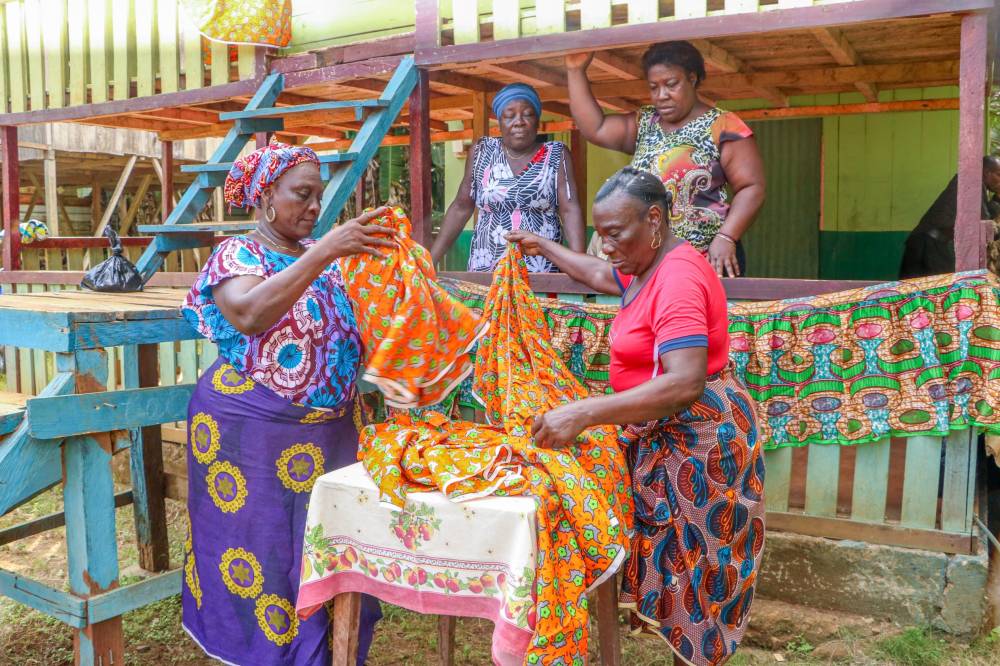
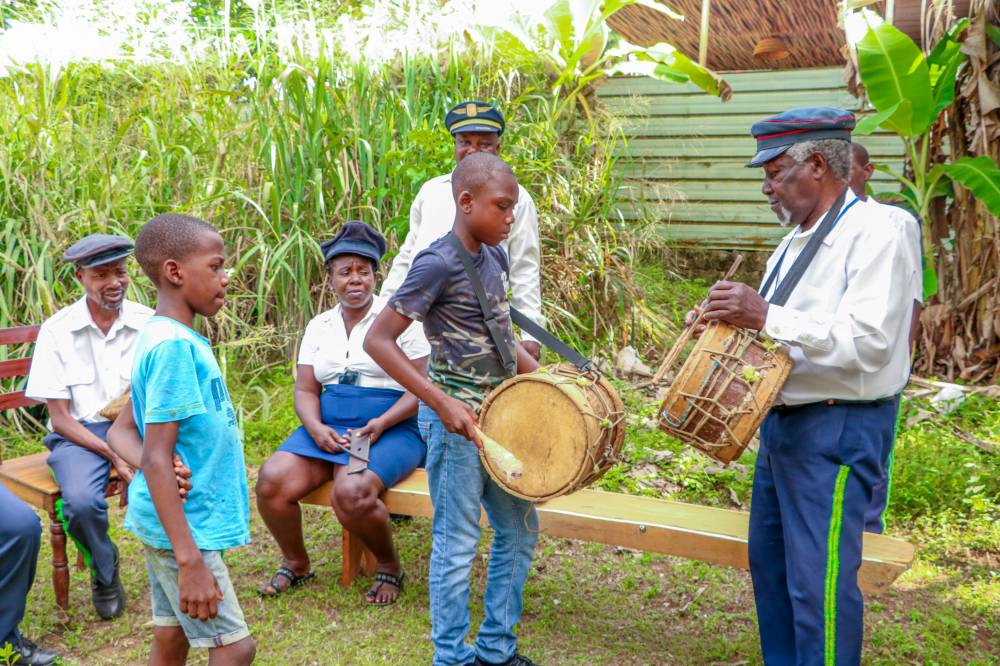
Music plays an important role in the performance, with drums, flutes and maracas marking different scenes. The audience also participates by reacting and sometimes taking part in the action. Various people contribute to Tchiloli, from sponsors to managers, actors, musicians, costume makers and volunteers. The related knowledge and skills are taught in schools and transmitted informally within families and performance groups. Young people learn by observing, practising and slowly taking on roles. This community-based practice brings people together and contributes to the transmission of shared values, such as social justice, equality and peaceful coexistence.