Inscribed in 2025 (20.COM) on the Representative List of the Intangible Cultural Heritage of Humanity

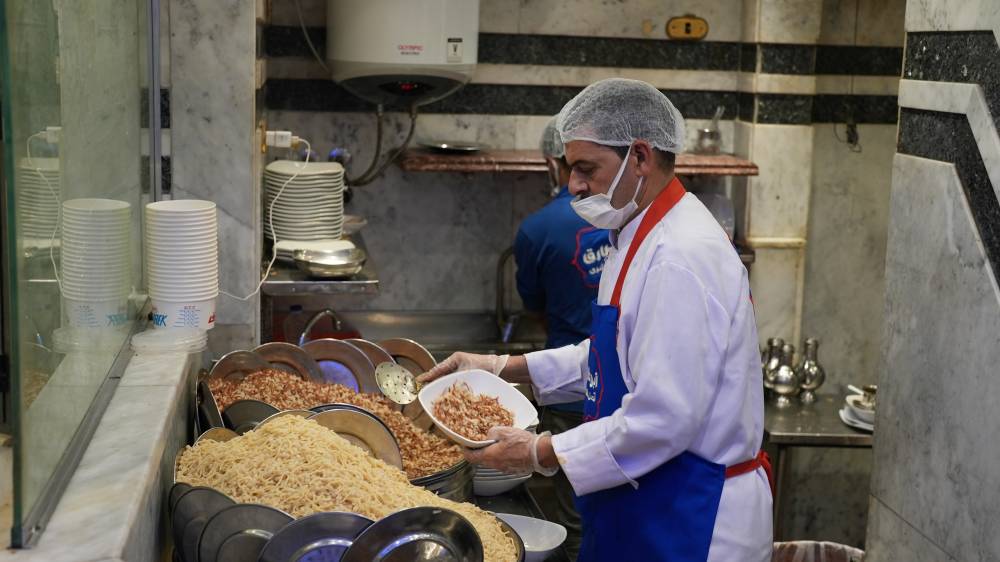
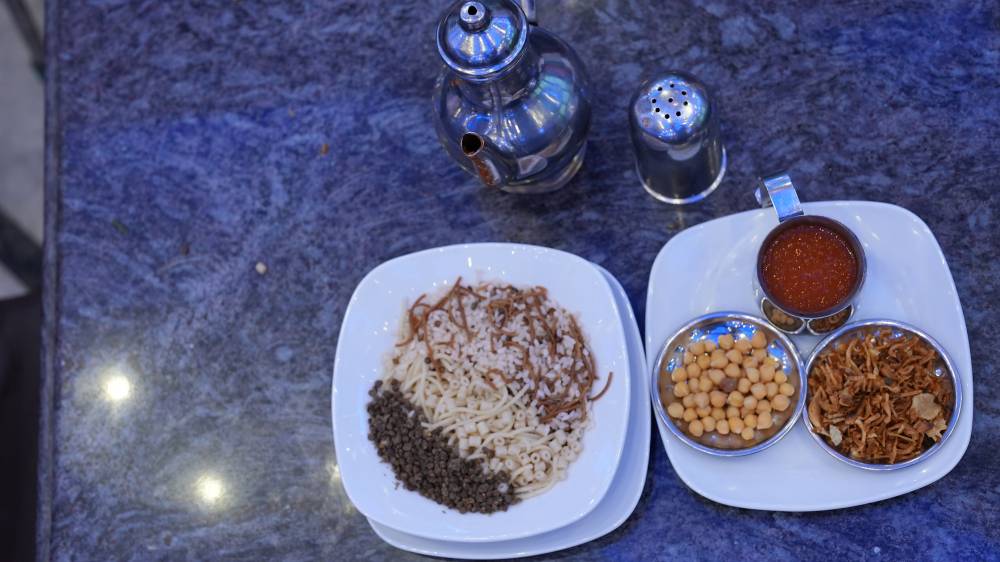
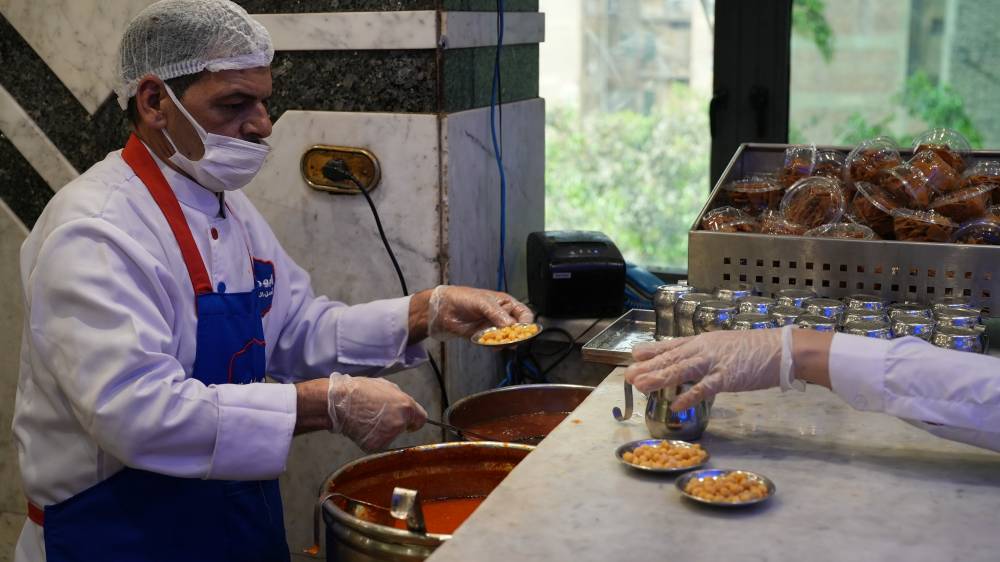
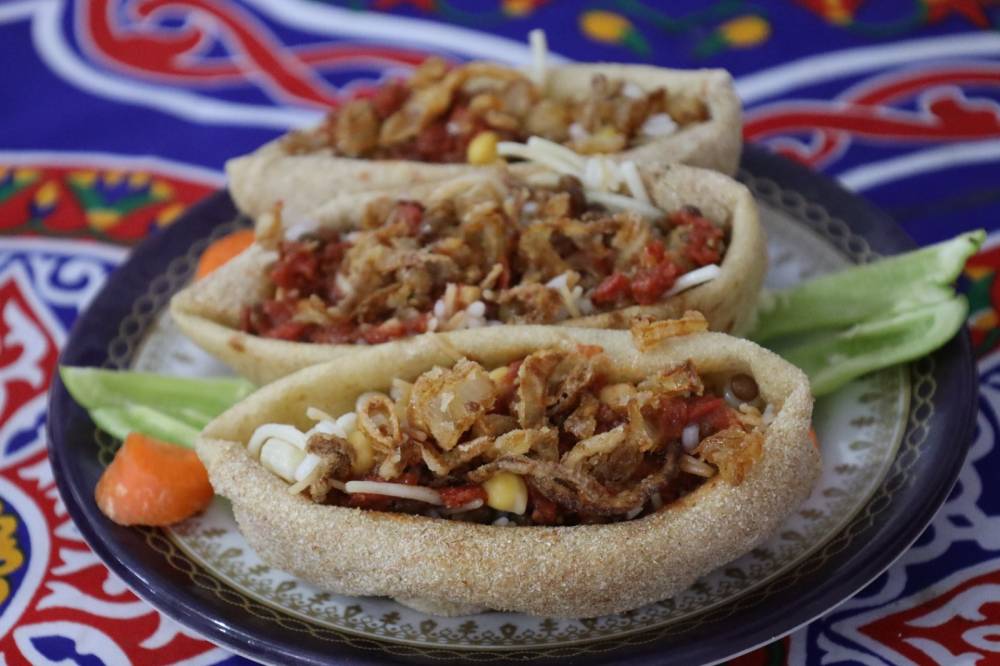
Practices associated with Koshary revolve around a popular dish made from simple, affordable ingredients such as rice, pasta, black lentils and fried onions, with condiments such as vinegar, garlic and hot sauce added according to preference. Koshary is a filling, budget-friendly meal prepared at home and served in restaurants and street carts, especially near schools and busy areas. Although the basic recipe remains consistent, regional variations exist. Koshary is enjoyed by people of all ages, genders and backgrounds across rural, urban and coastal communities.
Koshary is shared with neighbours and friends, served at family gatherings, and offered at national events, including celebrations in embassies. Many individuals and professionals contribute to its preparation and culture, from restaurant owners and staff to street vendors, farmers and the craftspeople who build and decorate Koshary carts. Dessert shop owners near places where Koshary is prepared often serve rice pudding to complete the meal. The knowledge and skills related to this practice are passed down informally within families, especially from mothers to daughters. The practice is also shared through cooking shows, social media and professional culinary education programmes. A deeply rooted tradition, Koshary promotes unity, shared identity and social cohesion.