Inscribed in 2025 (20.COM) on the Representative List of the Intangible Cultural Heritage of Humanity
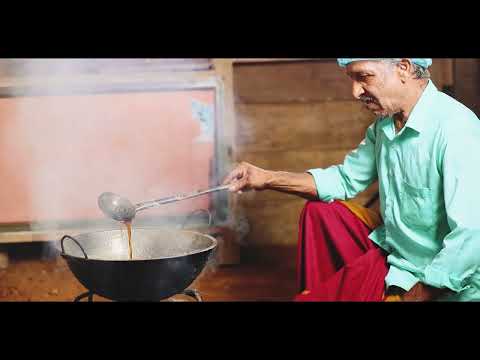
In rural village communities in Sri Lanka, kithul madeema, or kithul tapping, is a traditional method of collecting sap from the kithul tree, a tall palm found in forests and home gardens. The process entails climbing the tree using a ladder and wrapping the flower stalk with vine. A sacred tapping knife is then used to cut the stalk and collect sap on a daily basis. This sap is filtered and boiled for several hours to make kithul treacle, also known as kithul honey. It can also be consumed as a fresh drink or turned into jaggery (a solid sweet), vinegar and alcoholic drinks.
Kithul-based products are an important part of daily life, often shared in ceremonies, festivals and gatherings. The tappers observe traditional beliefs, such as tree worship and sap storage practices. Traditionally, men collect the sap and women process it. While some village cooperatives and government programmes offer training, most learning happens informally at home. Although the practice was once tied to certain castes, it now belongs to all communities and is a shared part of the local culture. The practice helps preserve cultural identity while promoting unity and creating a strong connection between people and nature. It also provides a source of income in rural areas, fostering community resilience.


