Inscribed in 2025 (20.COM) on the Representative List of the Intangible Cultural Heritage of Humanity
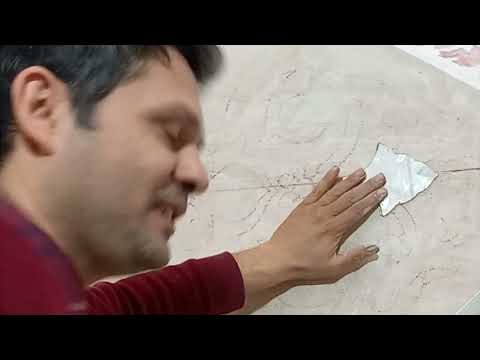
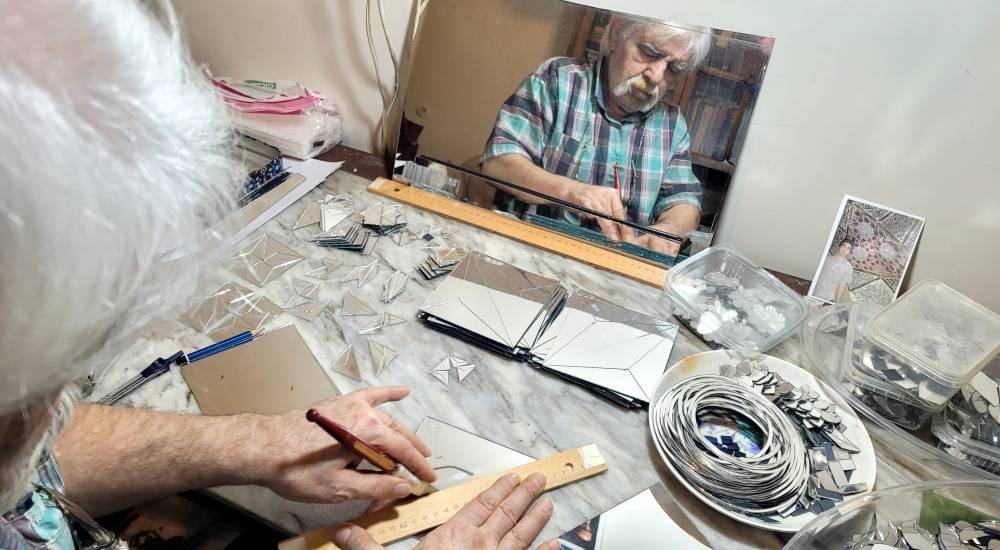
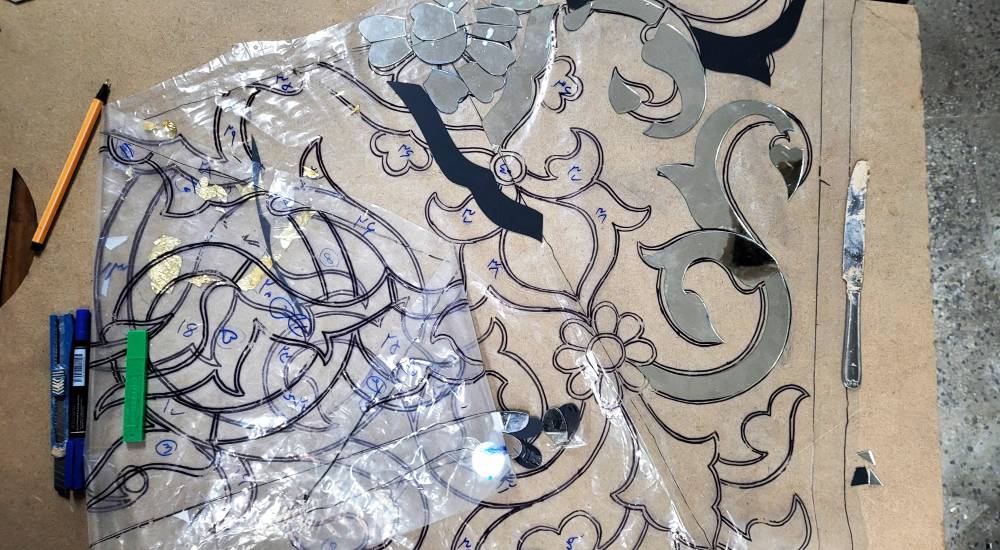
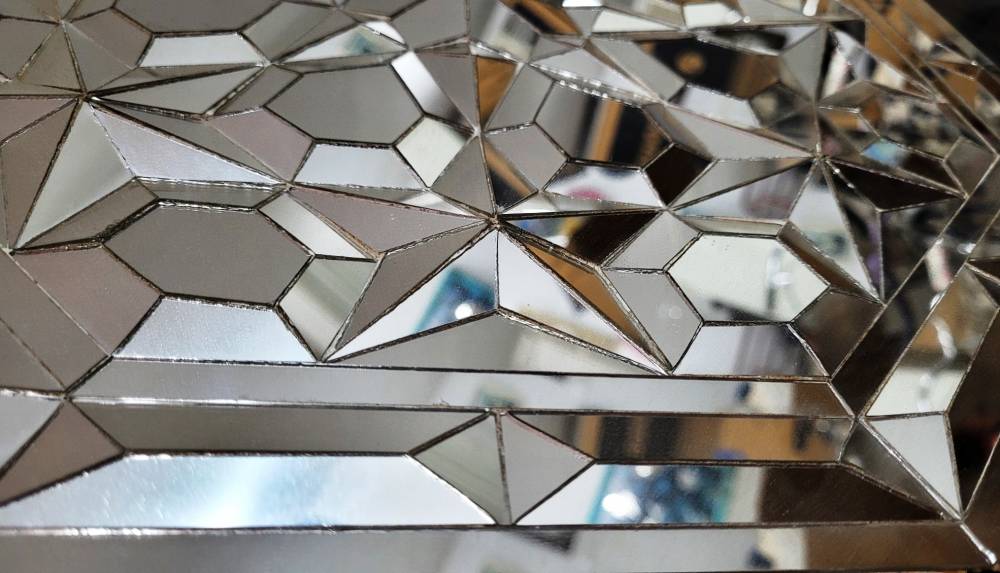
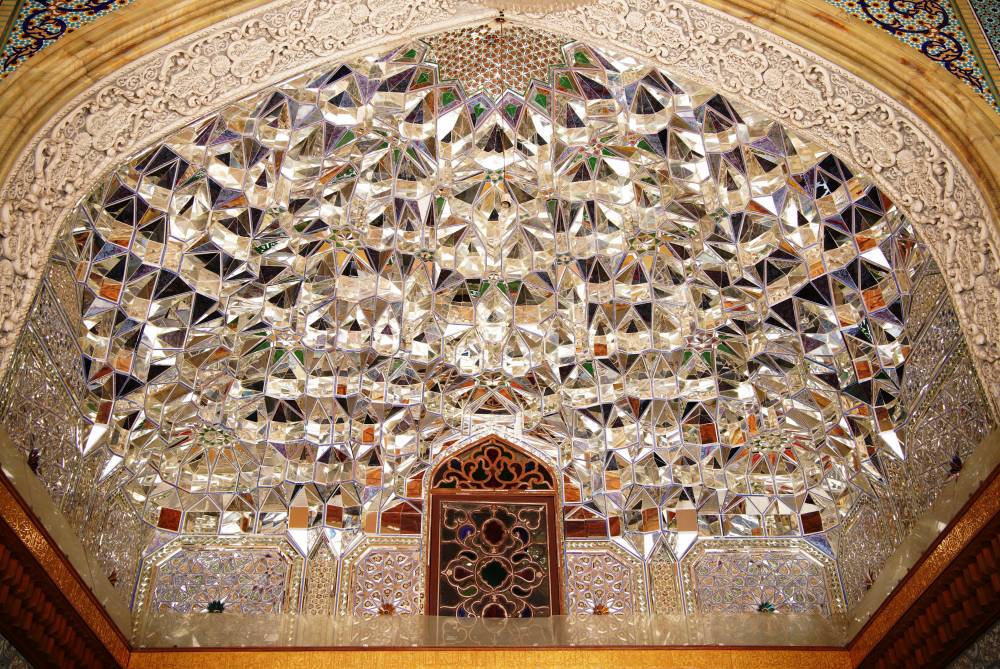
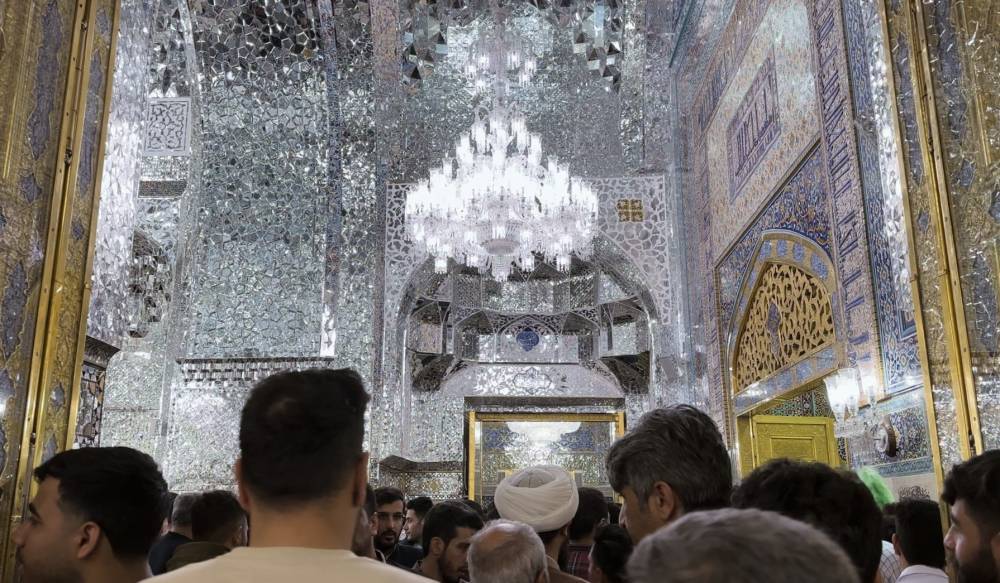
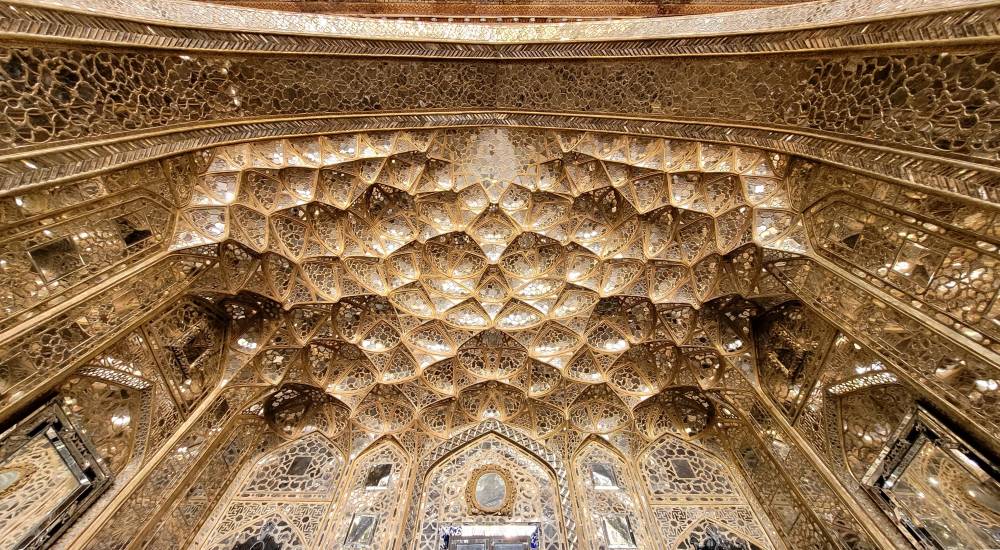
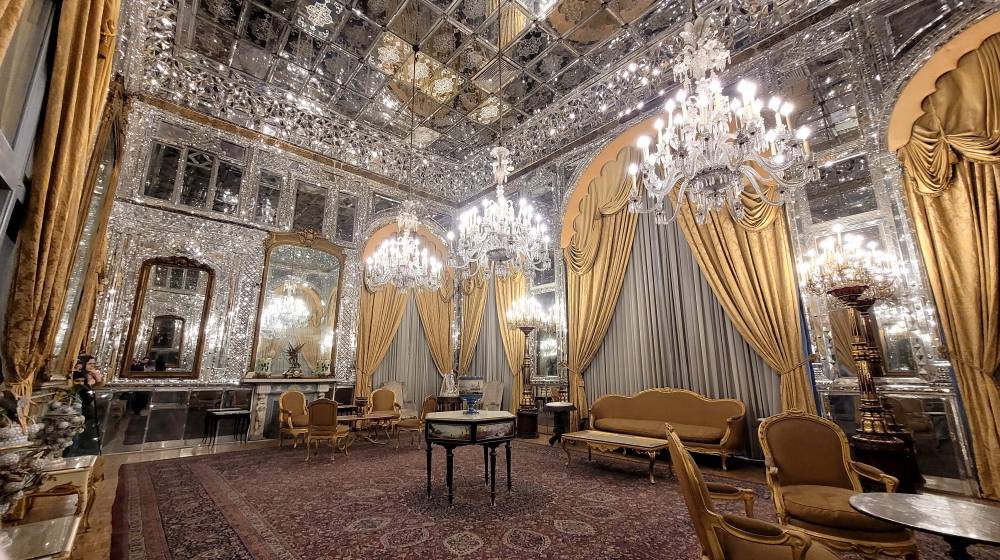
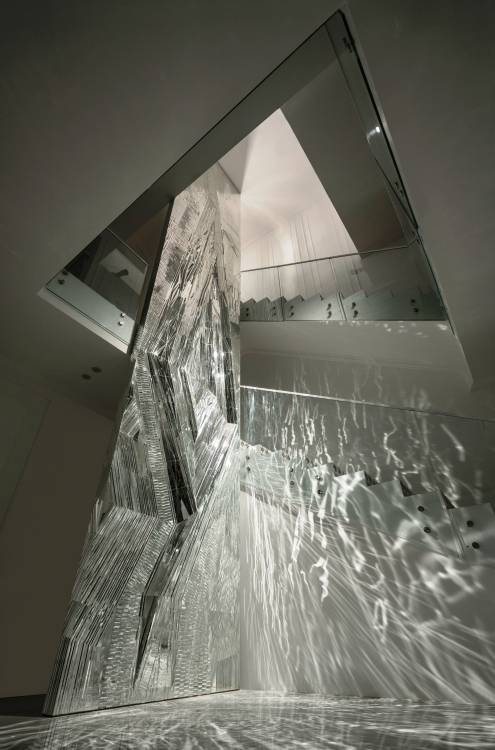
Ayeneh-Kari, or mirror-work, refers to the handcrafted art of decorating architectural surfaces such as ceilings, walls, domes, columns and panels using cut pieces of mirrors. The process entails cutting and shaping mirrors into geometric patterns or organic shapes and gluing them onto the surfaces to create designs that reflect light and brighten the space. The art combines several skills, from design, mirror cutting and plastering to painting and mosaic work. For practising communities, mirrors and water are symbols of purity and illumination, and Ayeneh-Kari embodies the importance of light and enlightenment.
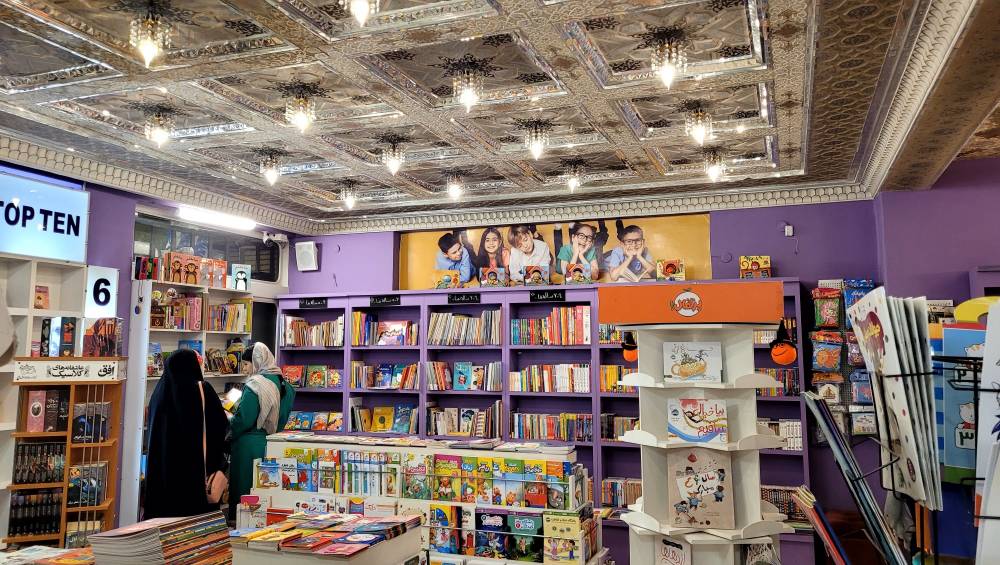
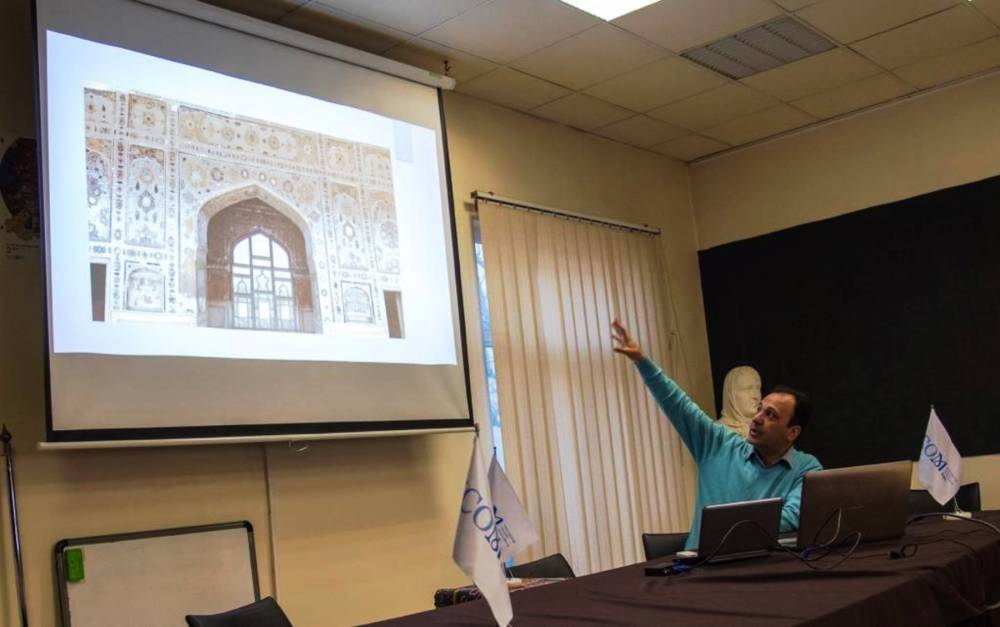
The practice of Ayeneh-Kari is passed down both informally through apprenticeships and workshops and formally through universities, non-governmental organizations and training institutes. In most cases, Ayeneh-Kari is a career transmitted across several generations, taught by grandfathers, fathers and uncles to descendants. Ayeneh-Kari masters occupy a highly respected social position, and the art is recognized simultaneously as a luxurious and spiritual expression, ornamenting all kinds of traditional and contemporary spaces, from holy shrines and religious sites to royal palaces and private residences. An inclusive art form, Ayeneh-Kari is practised across various groups and continues to hold significance in both historical restoration and modern design.