Inscribed in 2025 (20.COM) on the Representative List of the Intangible Cultural Heritage of Humanity
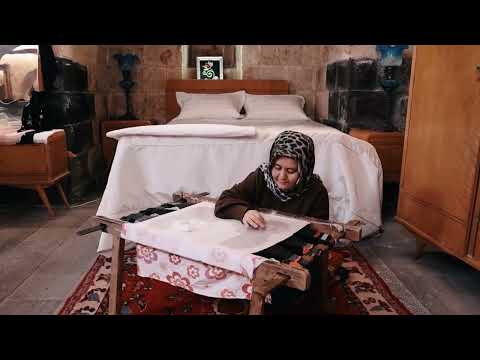
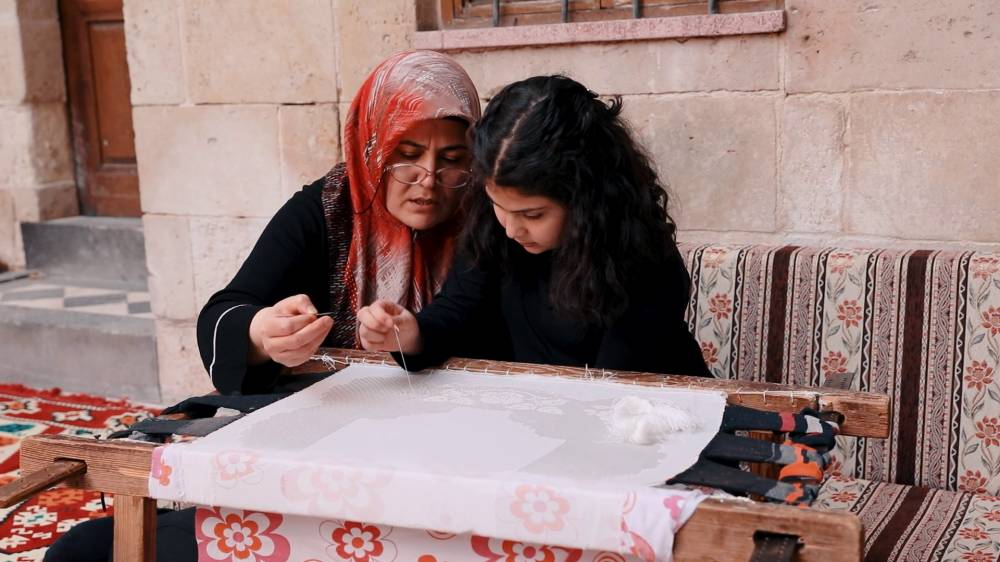
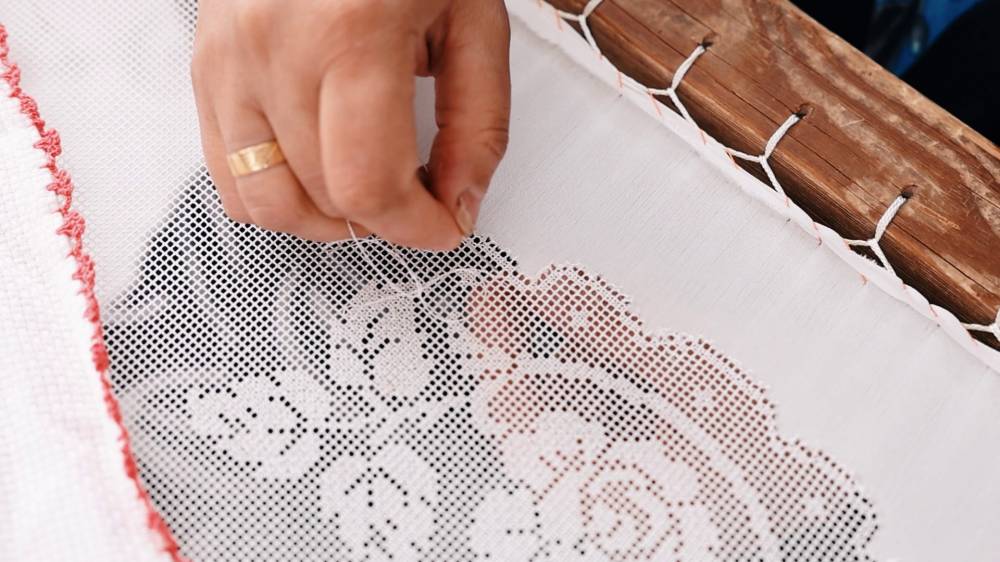
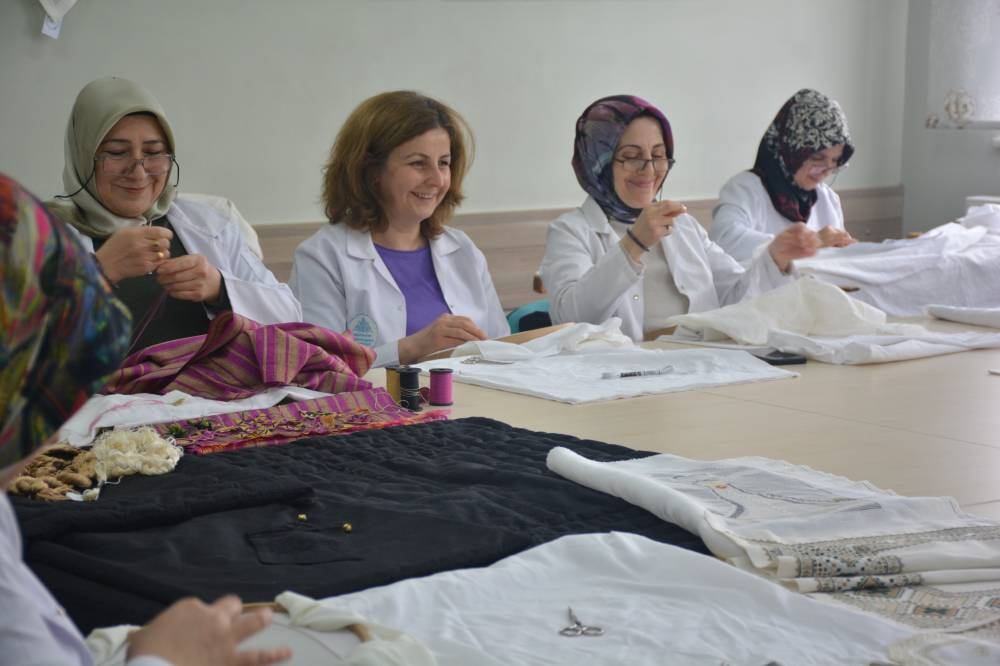
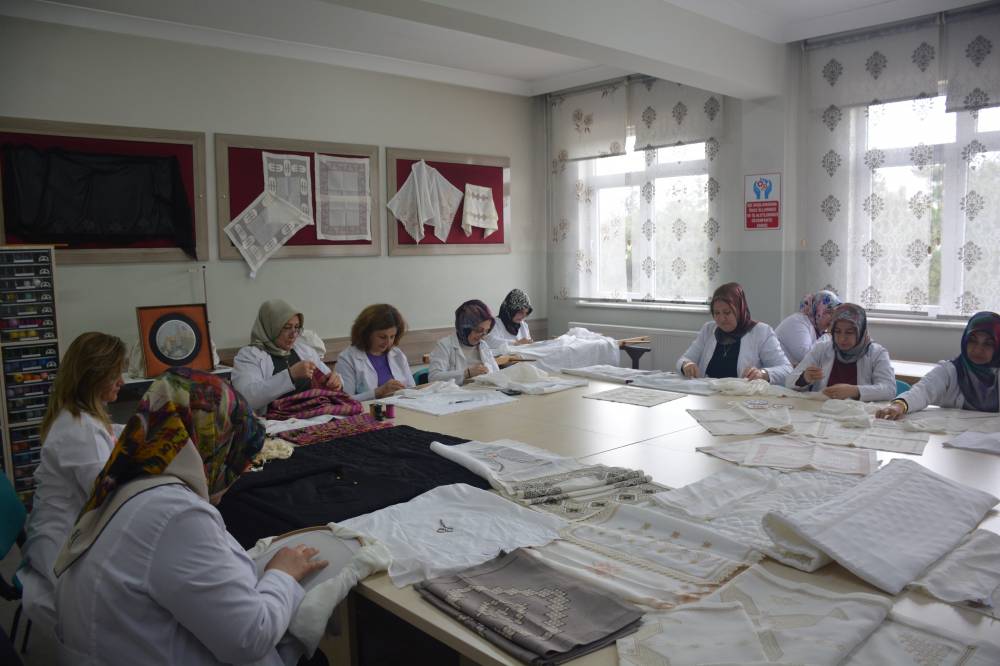
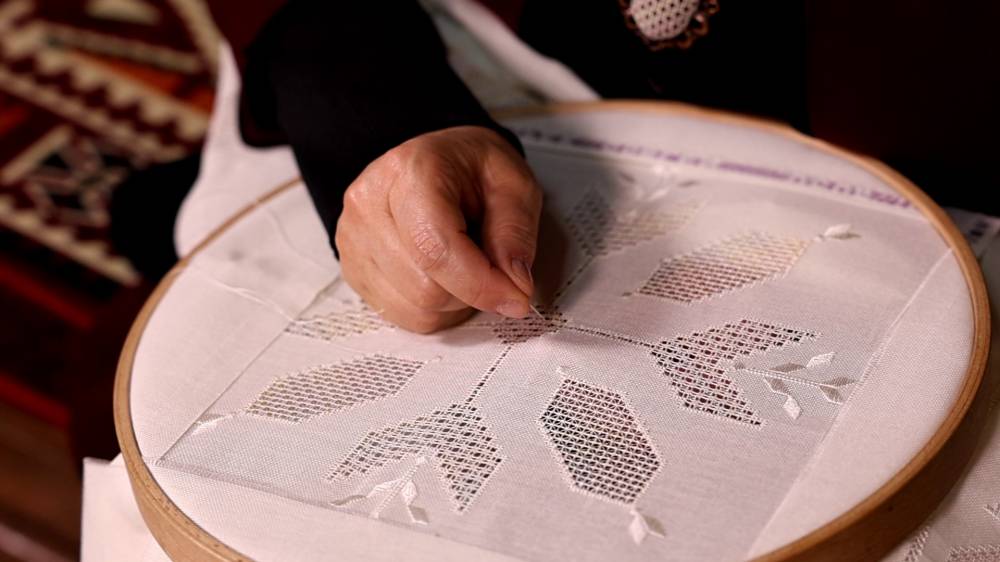
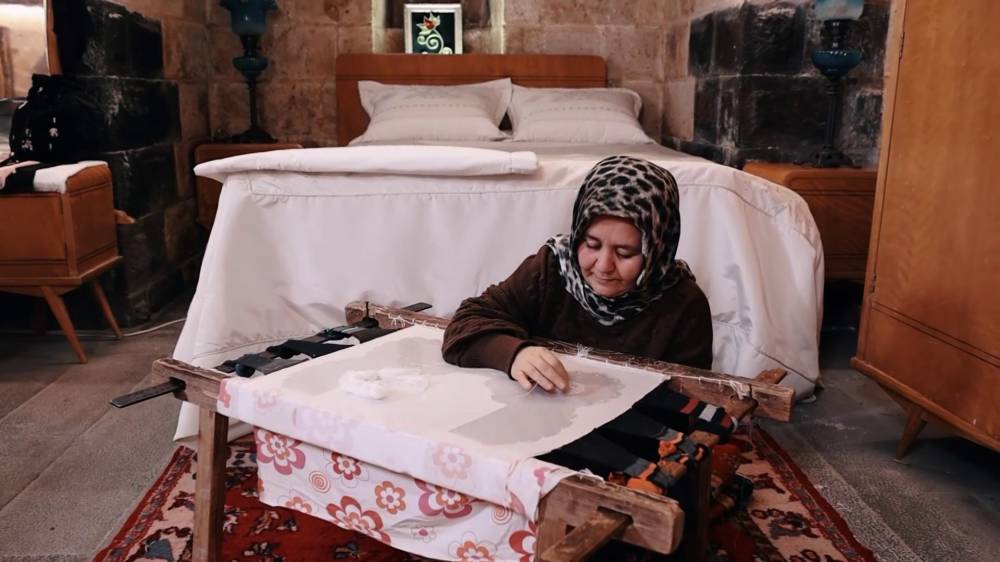
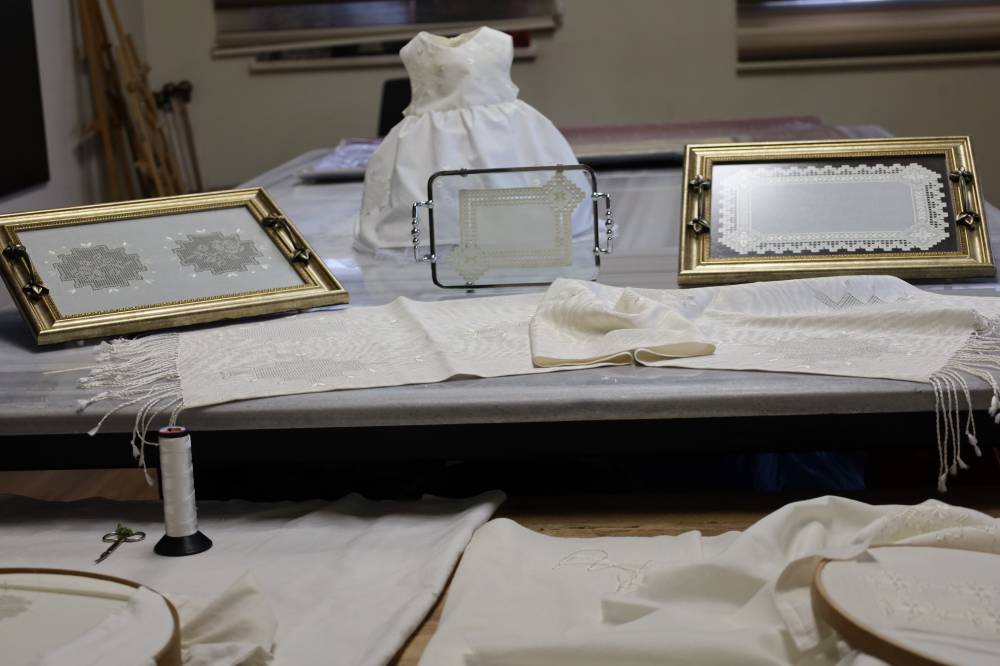
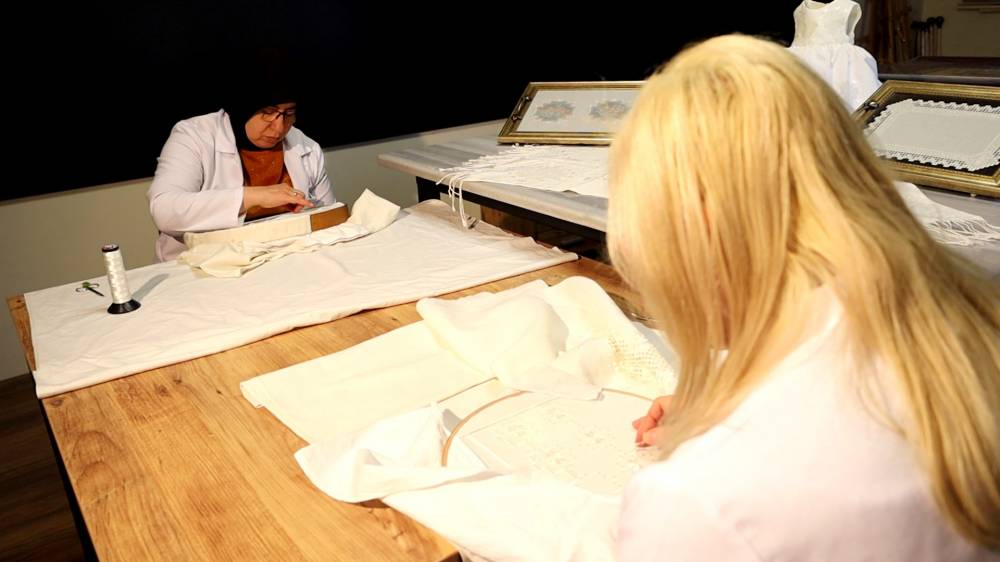
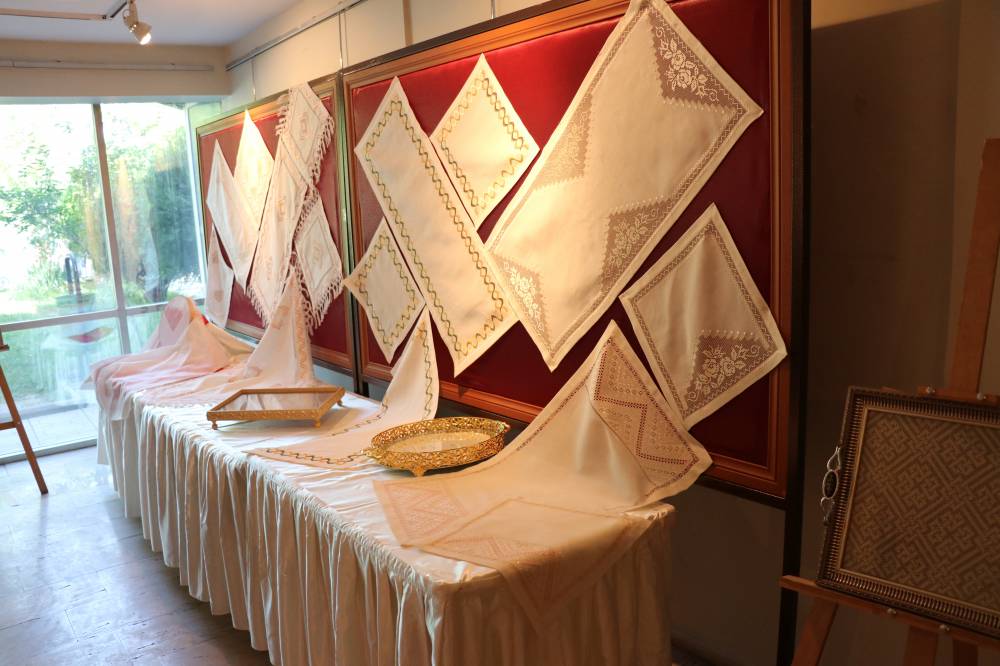
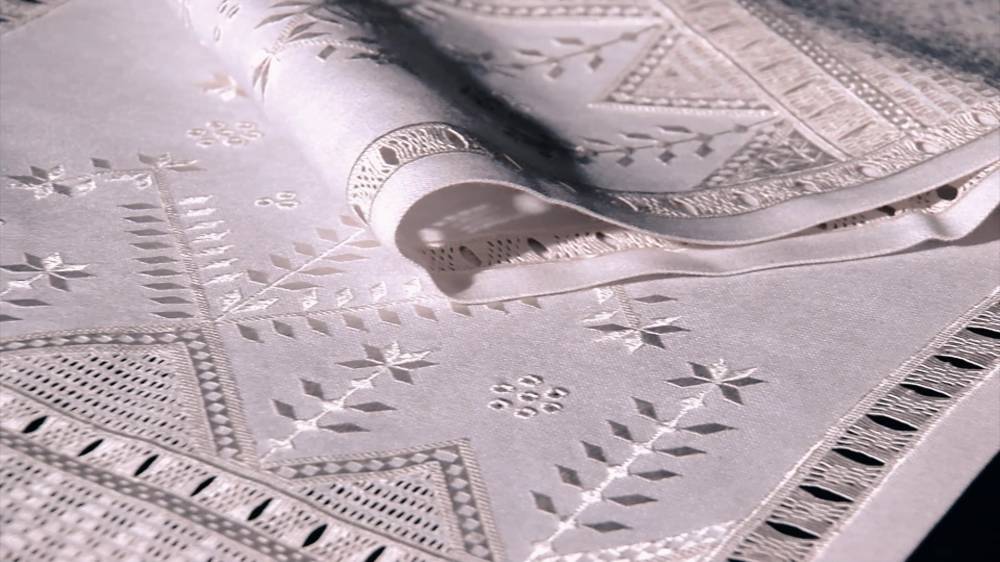
Antep Isi, or drawn thread embroidery, is a centuries-old needlework technique that traditionally involves working on white fabric with white thread. The threads are drawn and cut to create designs and patterns that have been passed down for centuries. Today, the embroidery is sometimes made using coloured fabrics and threads. Drawn thread embroidery cannot be mass-produced and requires careful, skilled work. It is usually performed on embroidery hoops for smaller fabrics and frames for larger ones. The embroidered fabric is used in daily life, including for clothes, table covers, bedsheets and accessories.
Women, especially grandmothers and mothers, are the primary practitioners and transmitters of this craft, passing down their knowledge to their daughters and granddaughters orally and through demonstration and hands-on practice. Local organizations also run training programmes, workshops and courses to teach the craft to younger generations. An essential part of the social and cultural life of its practitioners, drawn thread embroidery is deeply tied to the regional and urban identity. It is a means of expressing creativity, dreams and desires through motifs such as birds, fruits and flowers. It is also a social activity, with women gathering to embroider while they share stories and bond.