Inscribed in 2025 (20.COM) on the Representative List of the Intangible Cultural Heritage of Humanity

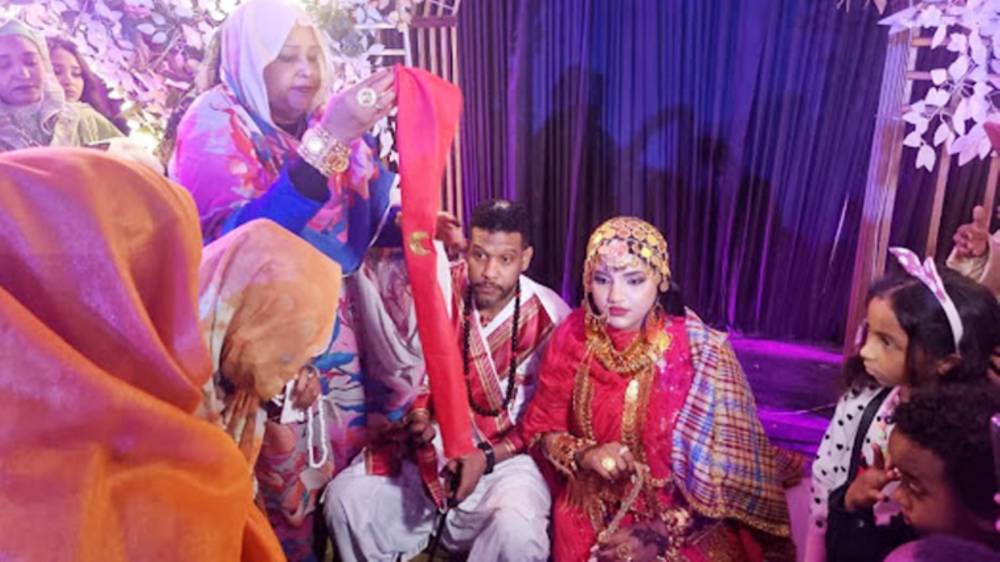
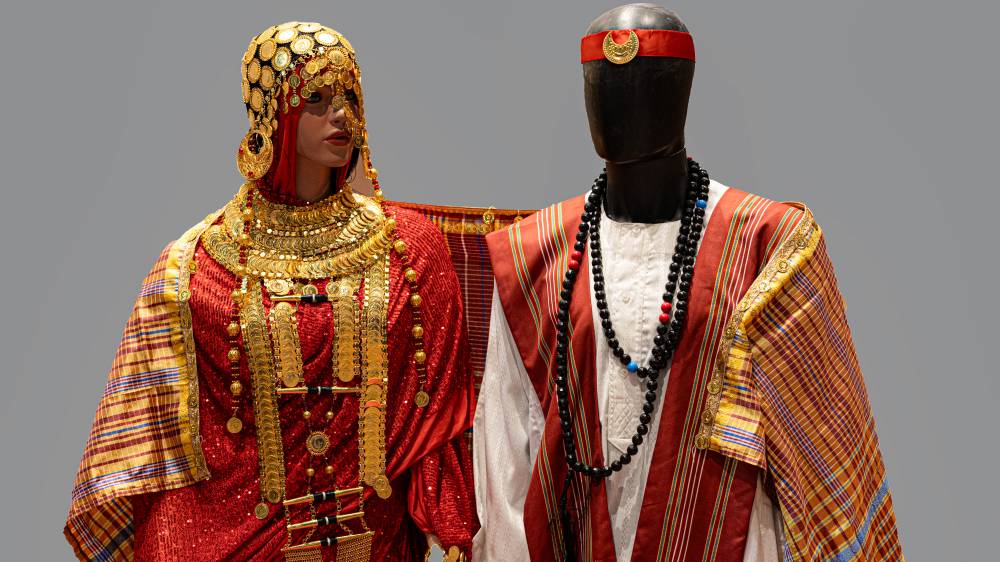
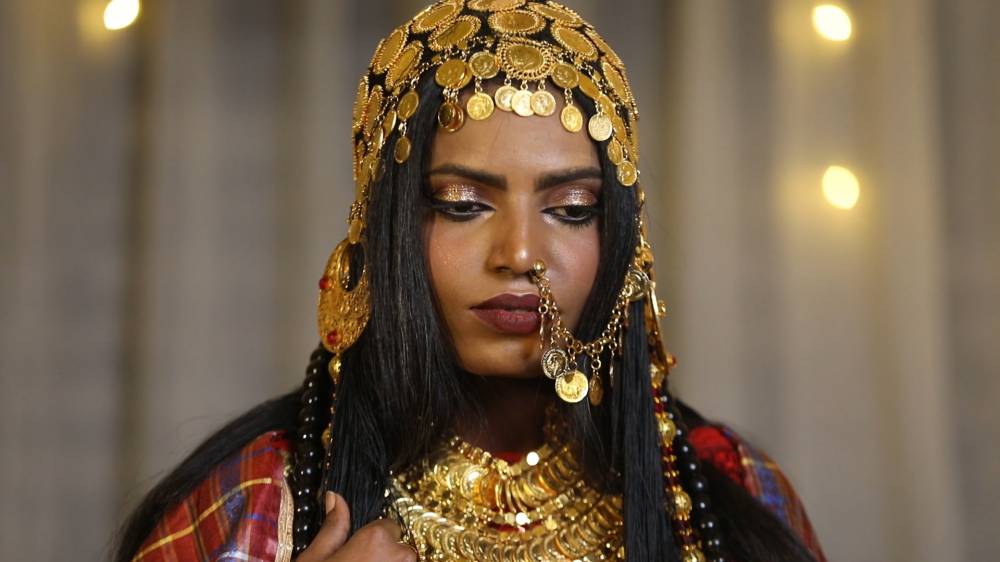
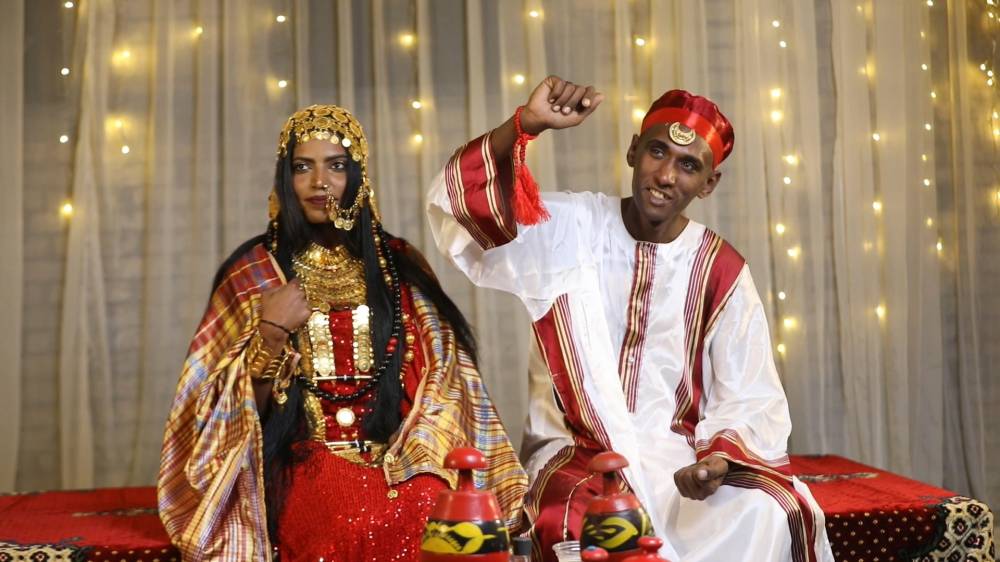
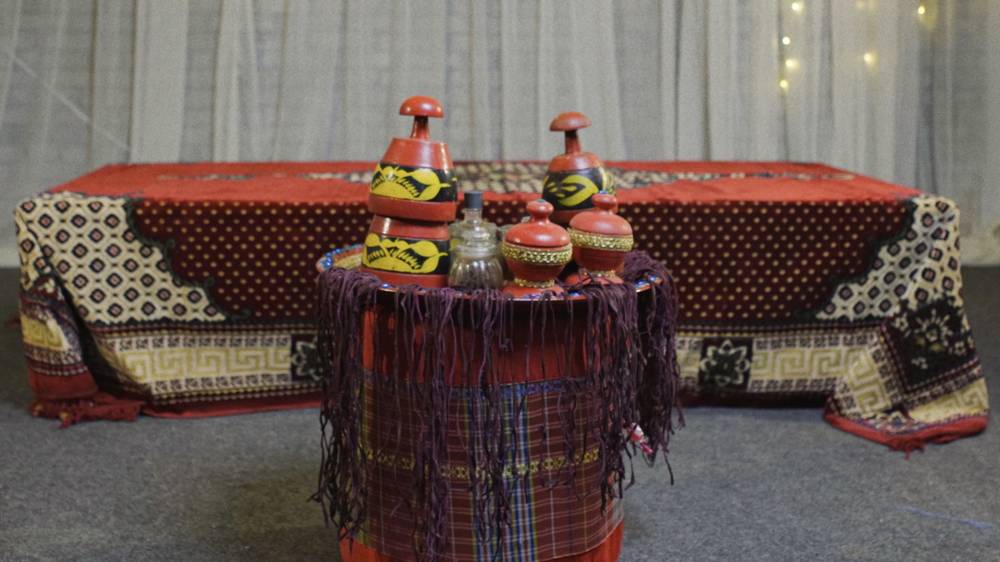
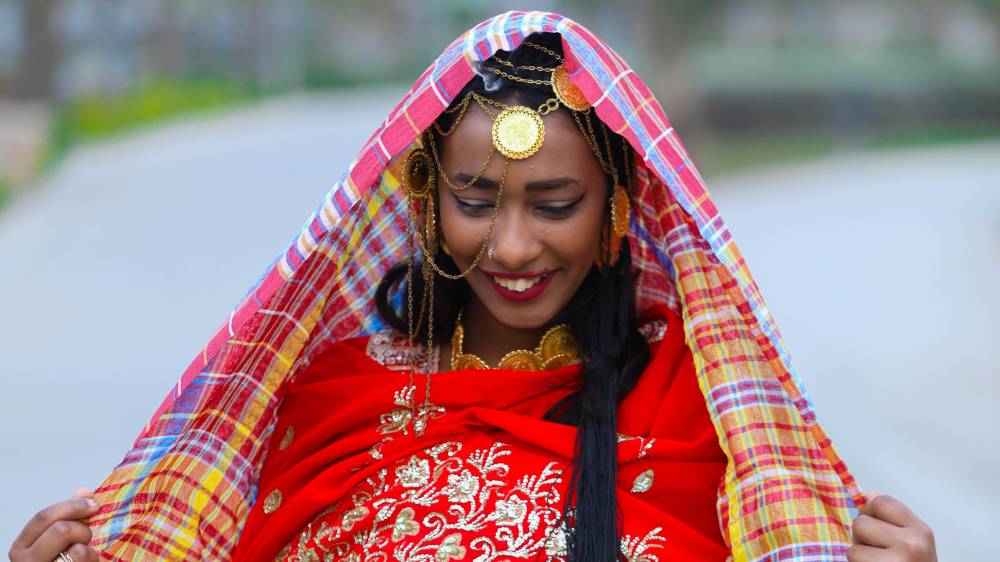
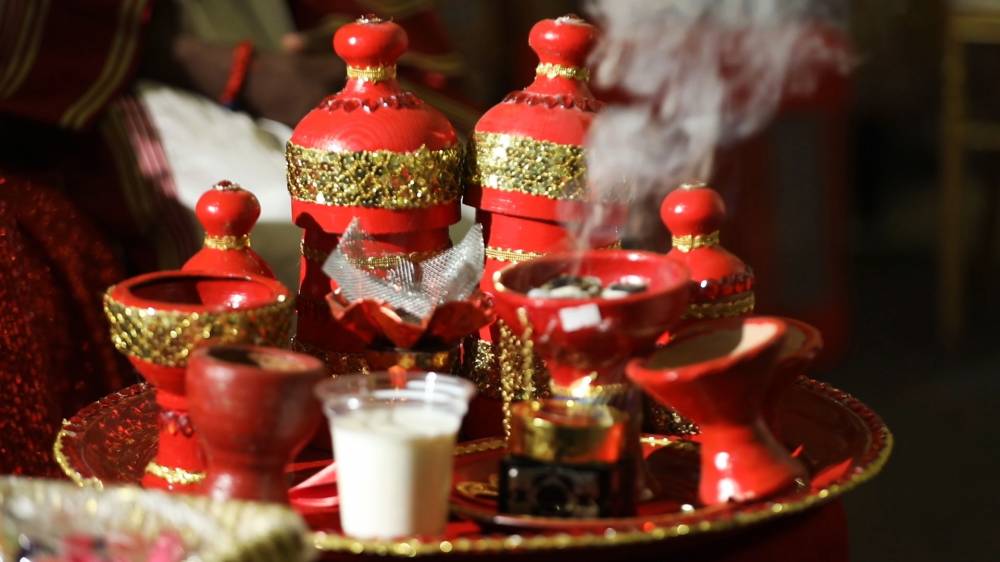
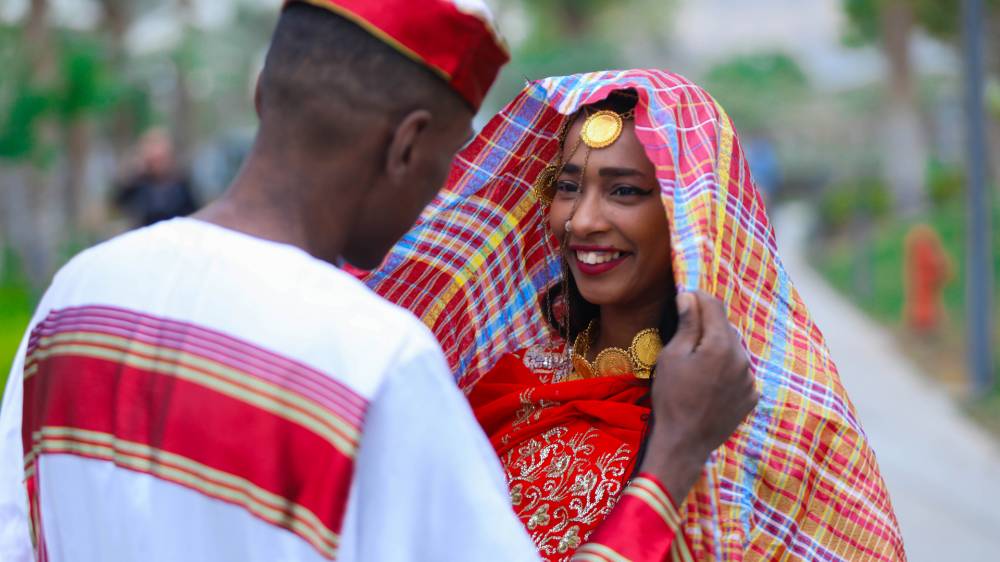
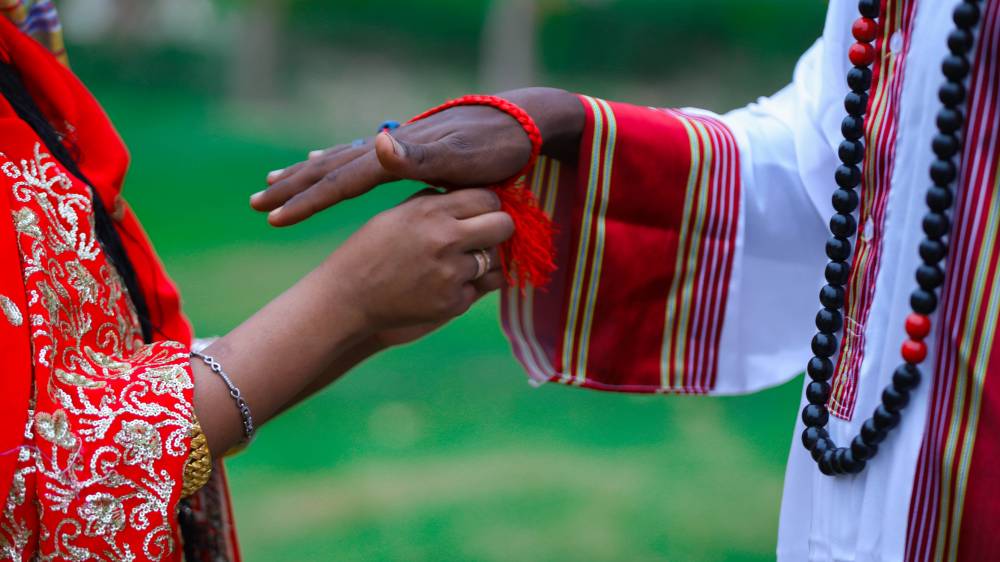
Among the Nubian populations residing in northern Sudan, along the Nile, up to the Egyptian border, Al-Jertiq is a ritual for protection, fertility and abundance that is held during significant life events such as marriage, childbirth and circumcision, or to mourn the death of a young, unmarried man. Although the ritual has adapted over time to different environments and social changes, its core meanings and functions have remained intact. Al-Jertiq involves a variety of ornate tools that hold symbolic meaning and are tailored to specific occasions. Each tool has a distinct purpose, such as protecting practitioners from the evil eye, bringing good fortune or promoting fertility.
The ritual is believed to be incomplete and unlucky if anything is missing. The ceremonies are led by older women, and participants include brides, grooms, new mothers, children and others involved in or connected to the ceremony. Al-Jertiq is transmitted informally, with girls observing and imitating their grandmothers, mothers and older sisters during the ceremonies and for related activities such as cleaning, counting, sorting and preserving the various objects related to the ritual. The practice is also transmitted through school and university events, as well as on social media. A rite of passage, Al-Jertiq plays an important role in building identity, guiding people through important life transitions, and strengthening community ties.