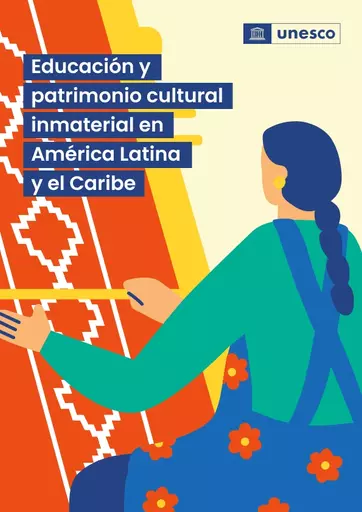
Across Latin America and the Caribbean, hundreds of communities, teachers and organisations are showing that training and learning processes are enriched when the living knowledge of territories is incorporated. This report presents a regional analysis of 200 educational practices in 15 countries that integrate intangible cultural heritage into formal and non-formal learning processes, and offers concrete evidence of how these initiatives strengthen cultural relevance, inclusion and creativity in education. Aimed at public policymakers, educators, community leaders and cultural actors, this regional overview is the first broad systematisation of initiatives that connect formal and non-formal education with traditions, local knowledge and community practices. The study reveals regional trends, shared pedagogical principles and inspiring experiences that strengthen the cultural relevance of education, foster creativity, promote inclusion and renew lifelong learning models. In a context marked by climate crises, migration and educational gaps, these experiences show how living heritage becomes a resource for resilience, social cohesion and sustainability. Discover how these practices are renewing education in the region and what opportunities this approach opens up for public policies, institutions and communities.
Educación y patrimonio cultural inmaterial en América Latina y el Caribe
Link for direct access
