Inscribed in 2025 (20.COM) on the List of Intangible Cultural Heritage in Need of Urgent Safeguarding
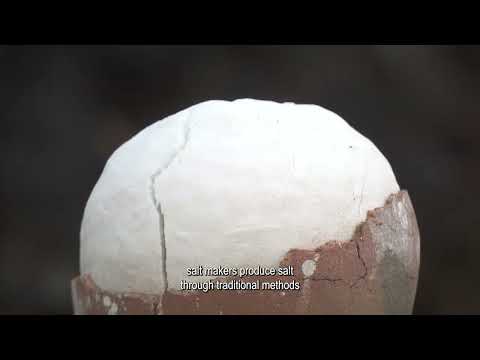
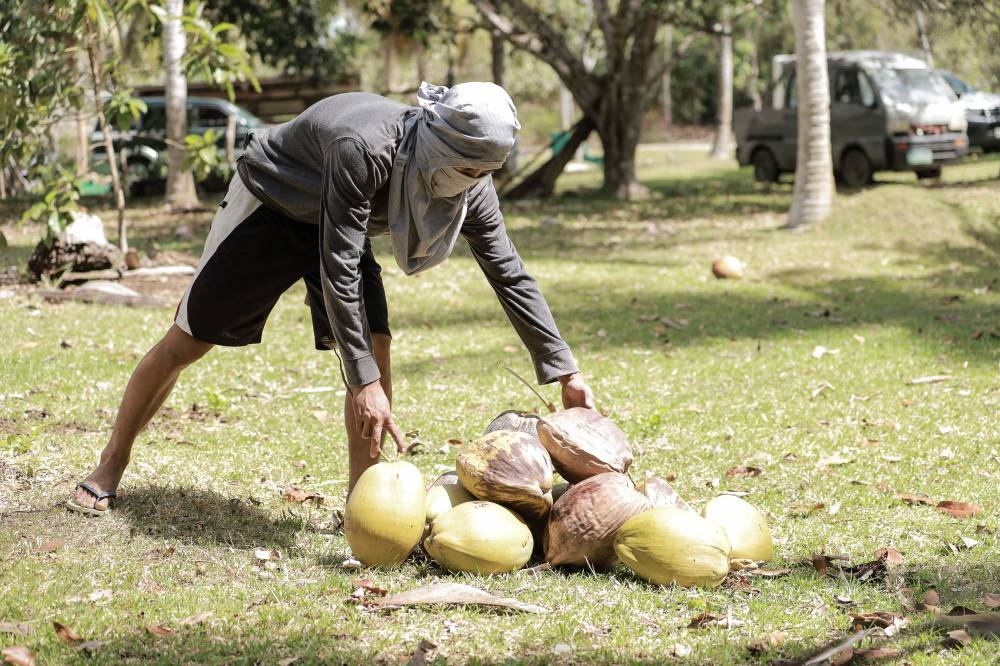
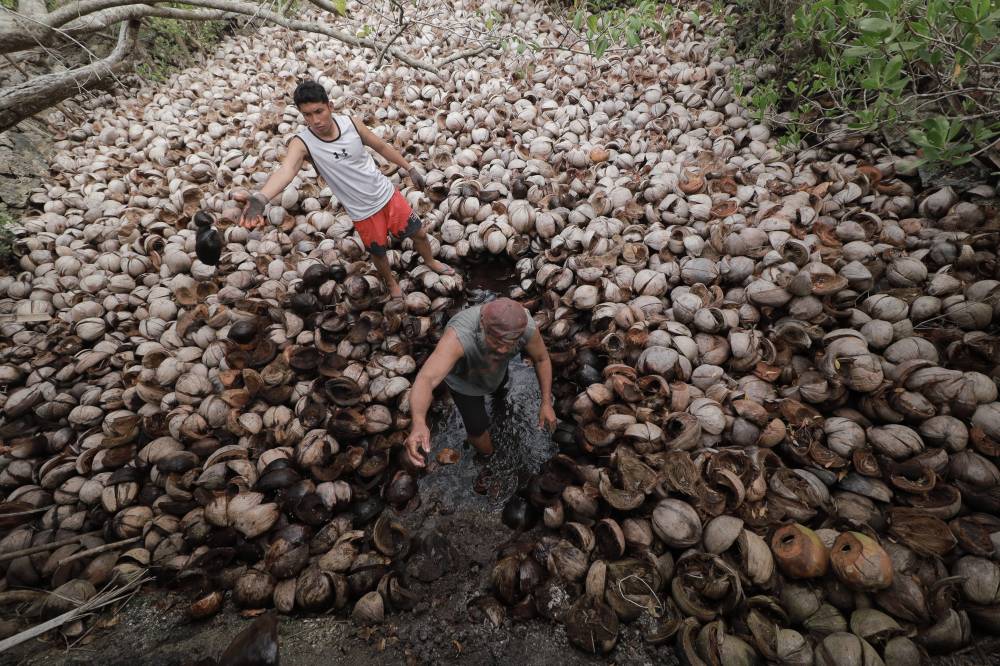
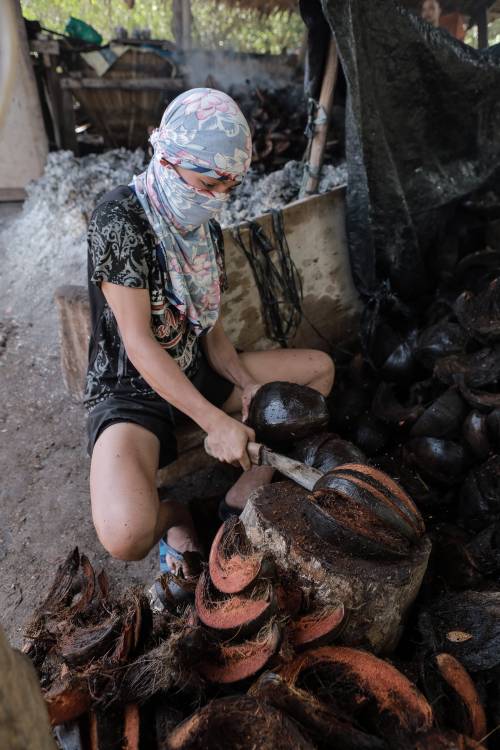
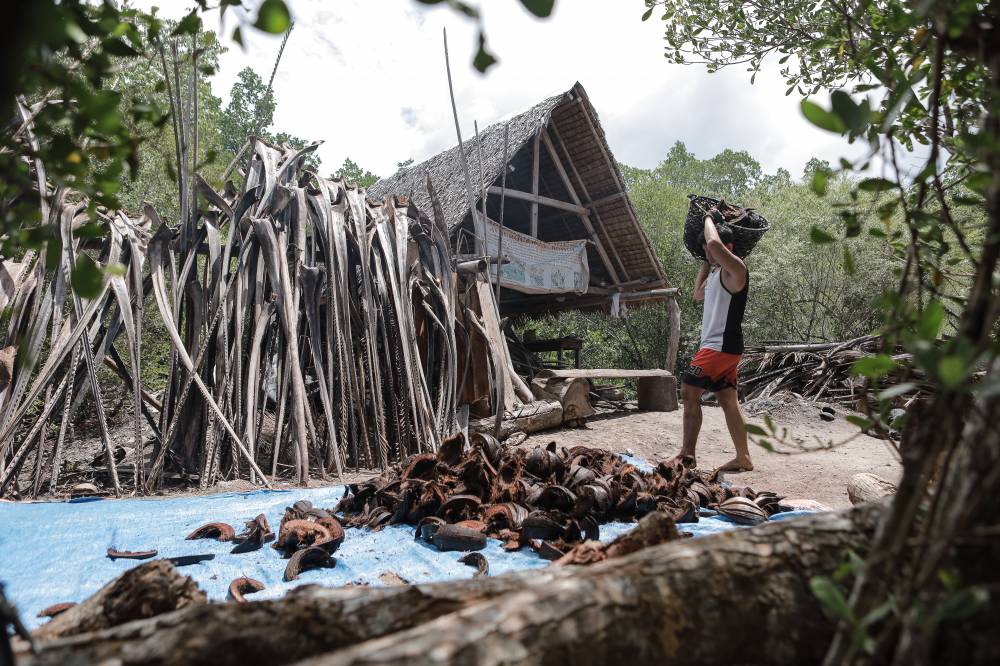
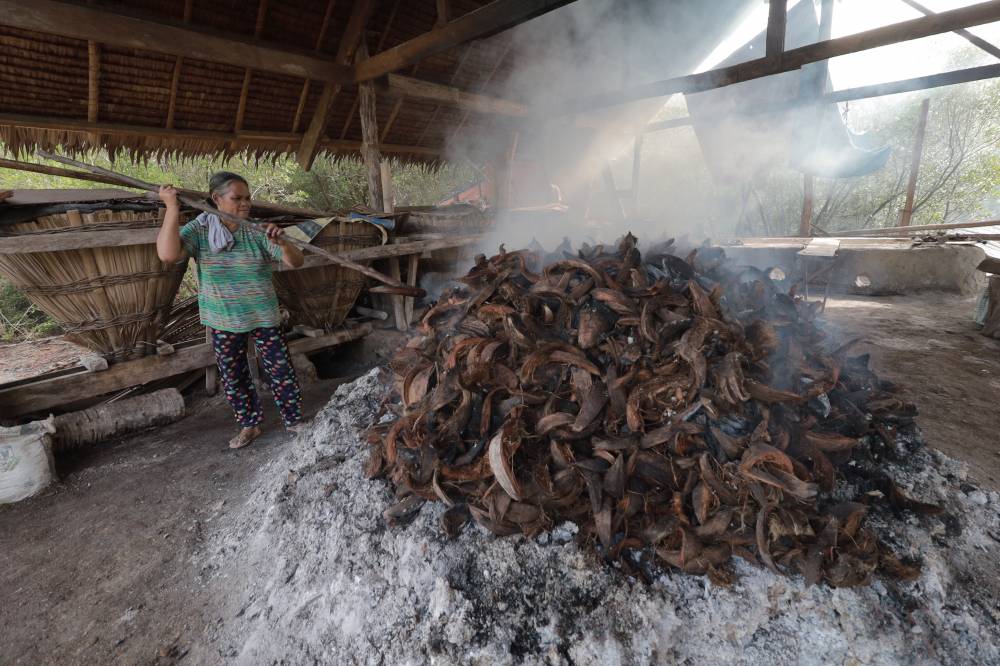
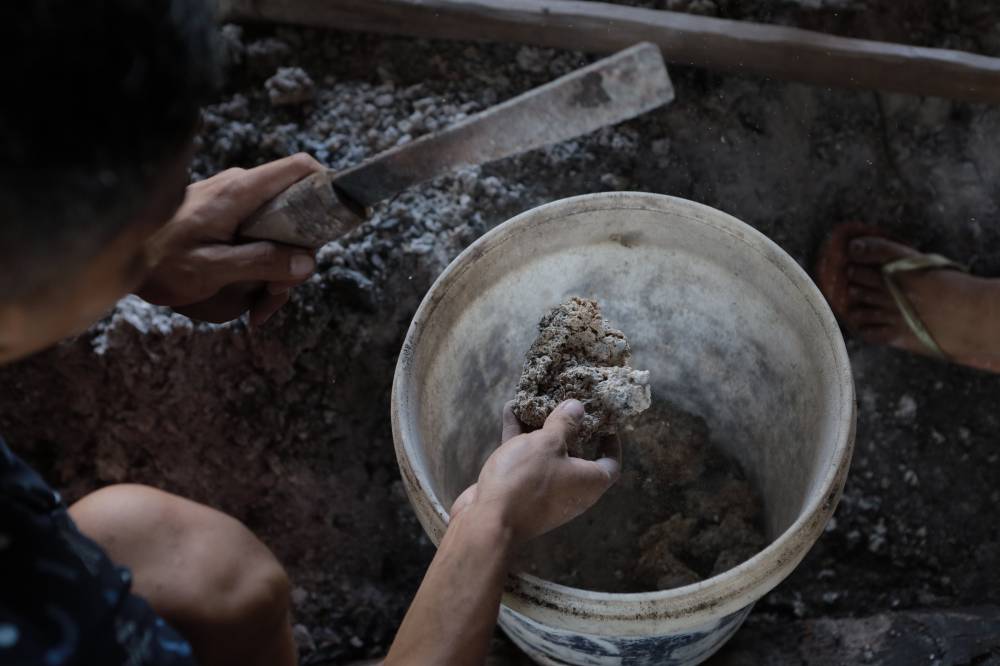
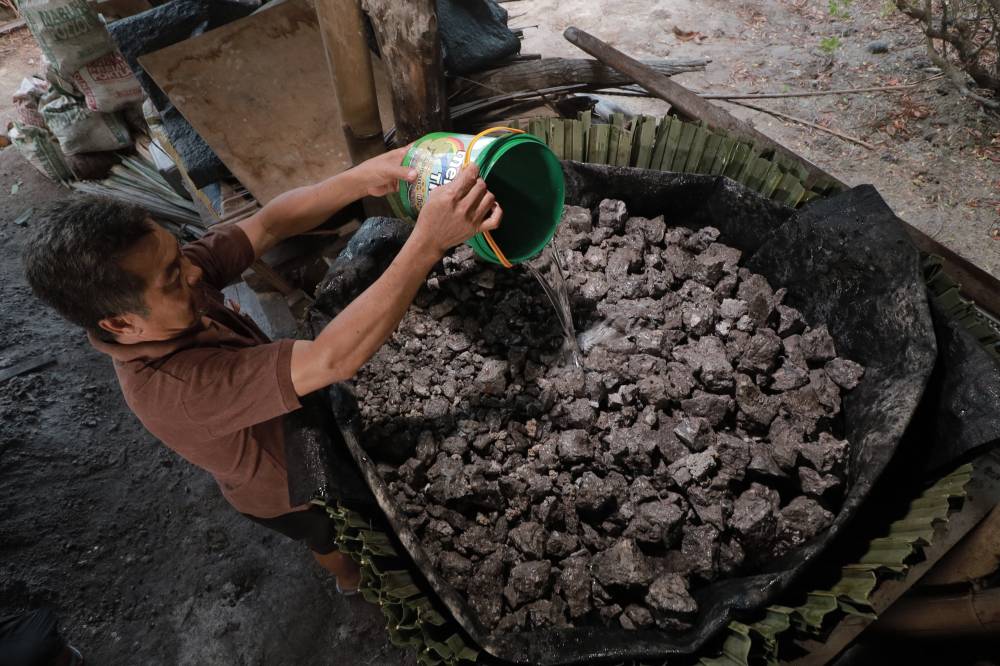
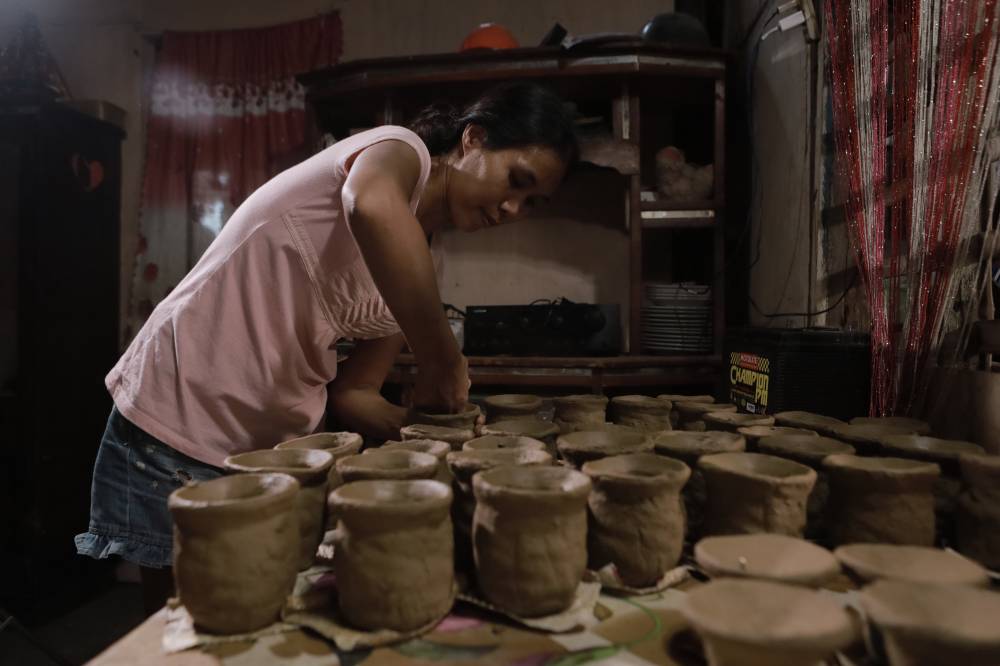
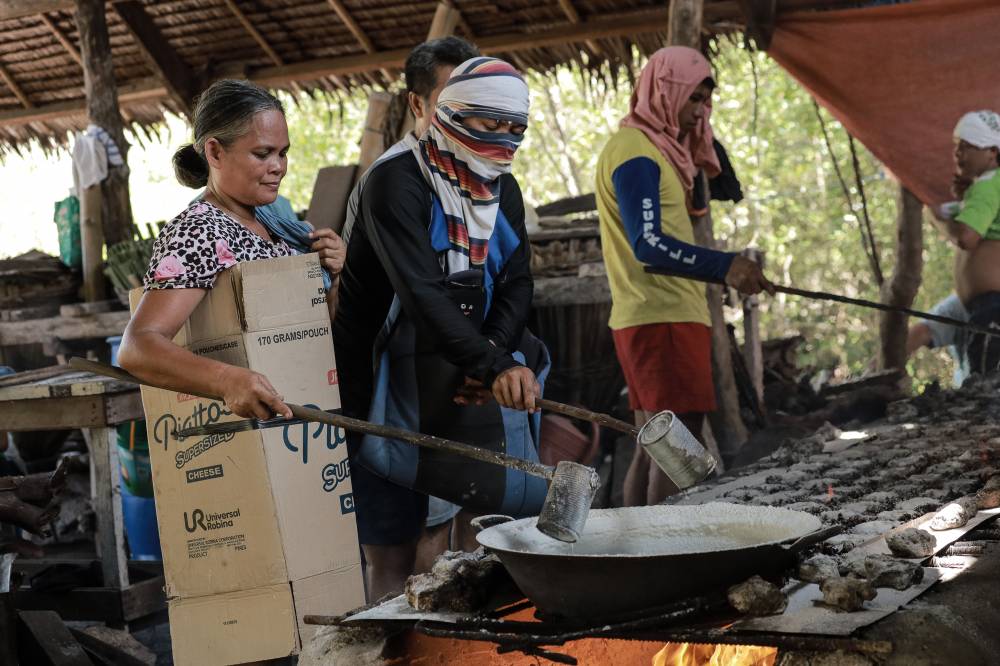
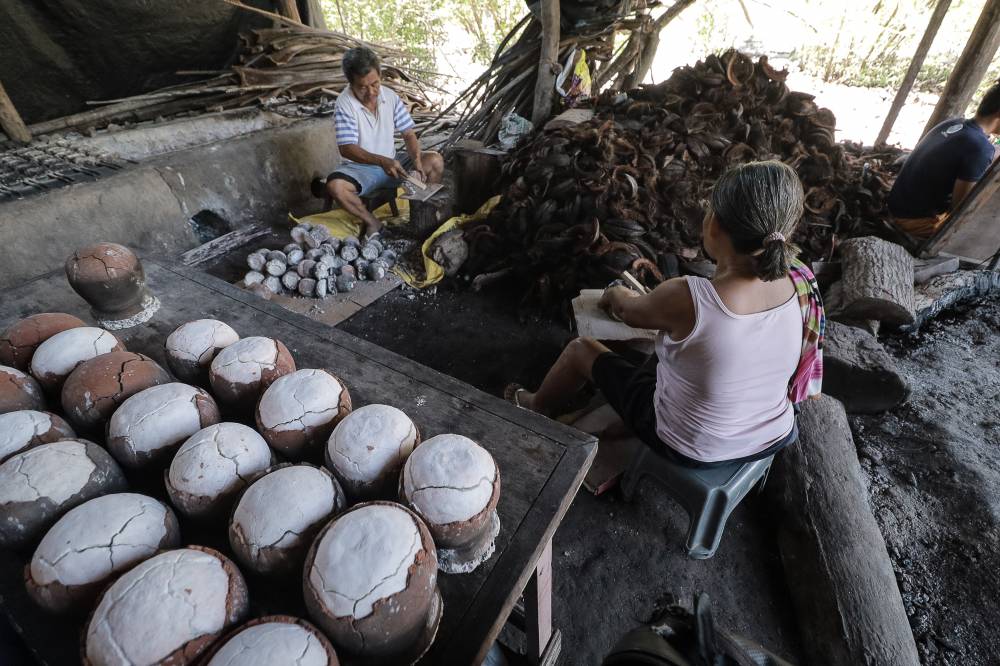
Asin tibuok, or whole salt, is a traditional type of sea salt made through a long and careful process amongst the Boholano of Bohol Island. The final product looks like a white egg inside a brown shell. It is handmade using natural materials and traditional techniques that have been passed down through generations. The salt-making process starts with collecting coconut husks, which are soaked in seawater for months. These husks are then dried, burned and mixed with seawater to create brine. The brine is boiled in clay pots until the salt is formed. The salt is then cooled and collected. Making asin tibuok is a physically demanding process that is usually done by men, though women are involved too, especially in cooking, cleaning and making the pots.
The practice of making the artisanal sea salt is usually a family activity, and knowledge is passed down through hands-on learning, with children observing and helping their parents. Community groups have recently started to help document and protect the practice. For the practising communities, asin tibuok is a key part of daily life and food traditions. It supports livelihoods and plays a central role in gatherings and celebrations.