Inscribed in 2025 (20.COM) on the List of Intangible Cultural Heritage in Need of Urgent Safeguarding
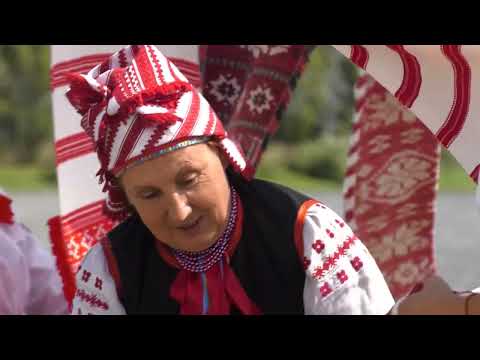
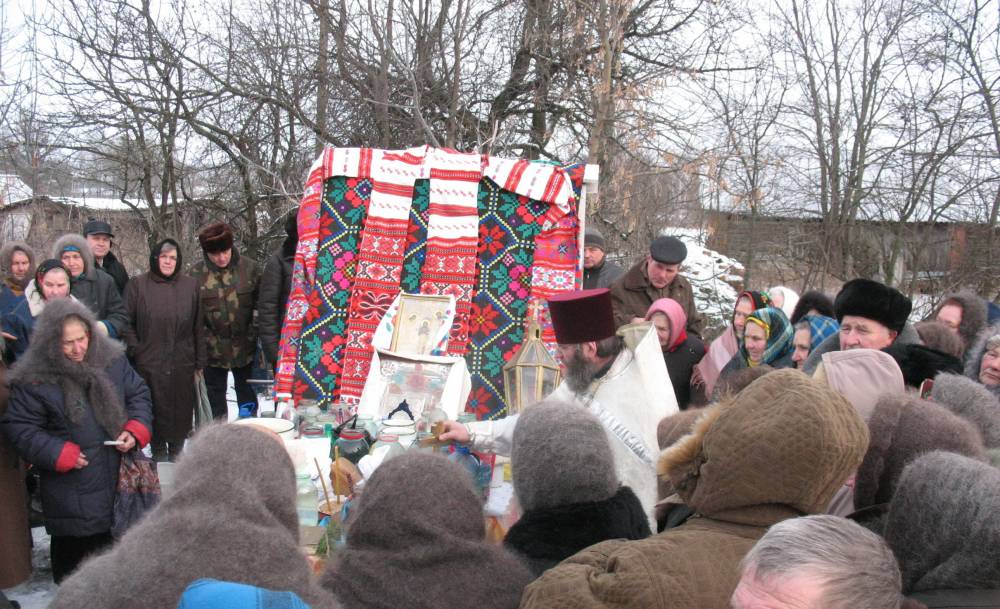
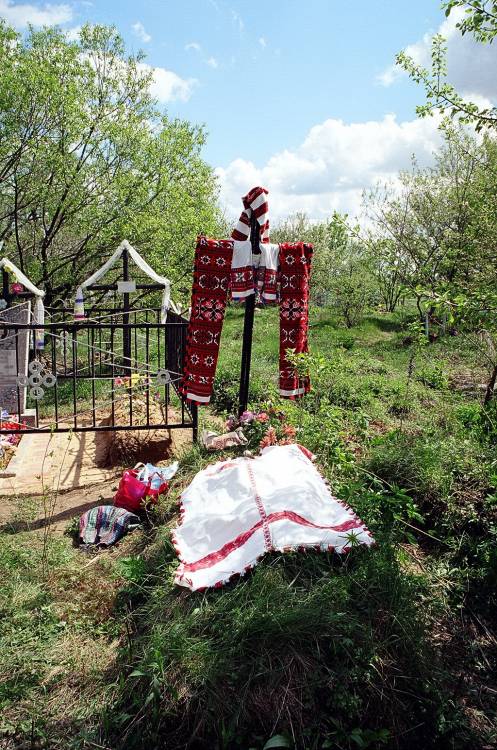
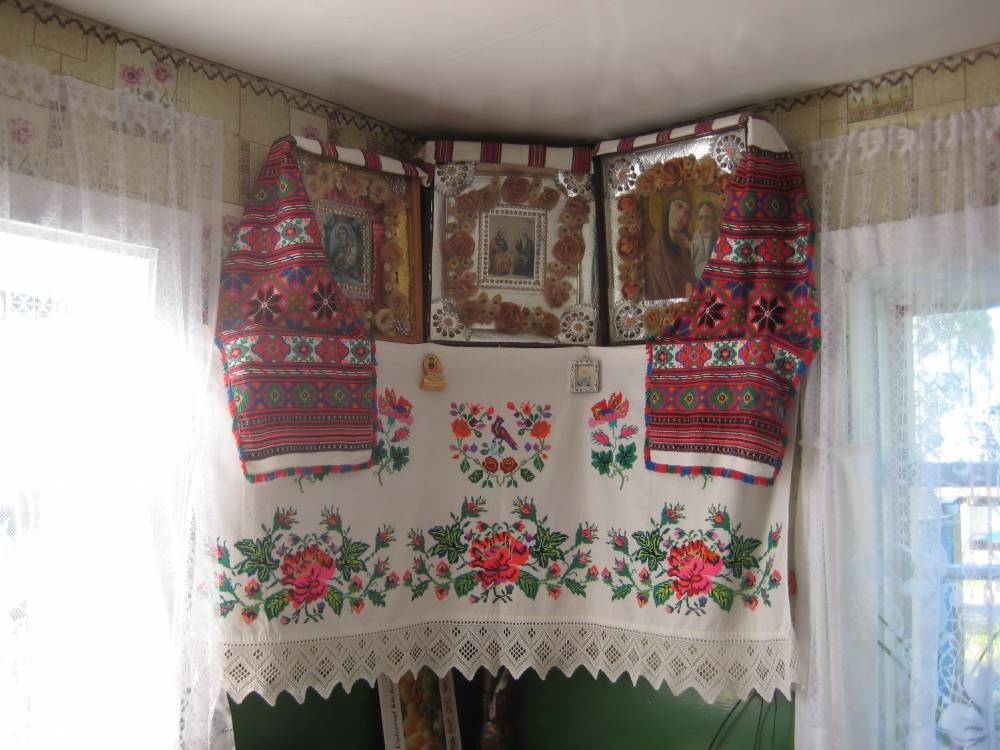
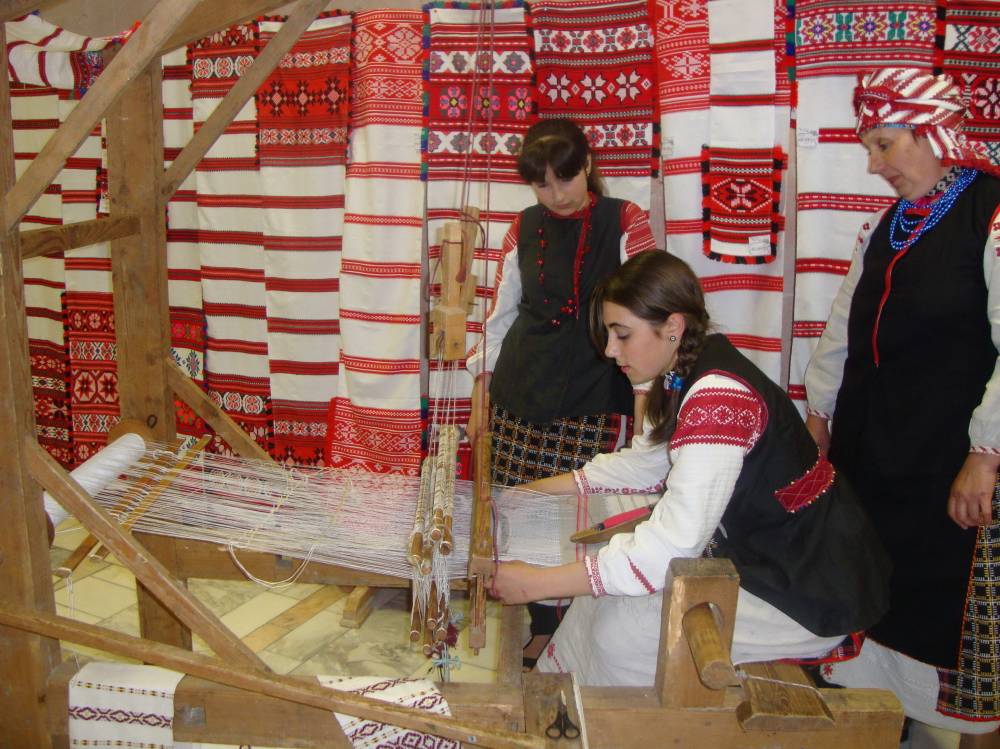
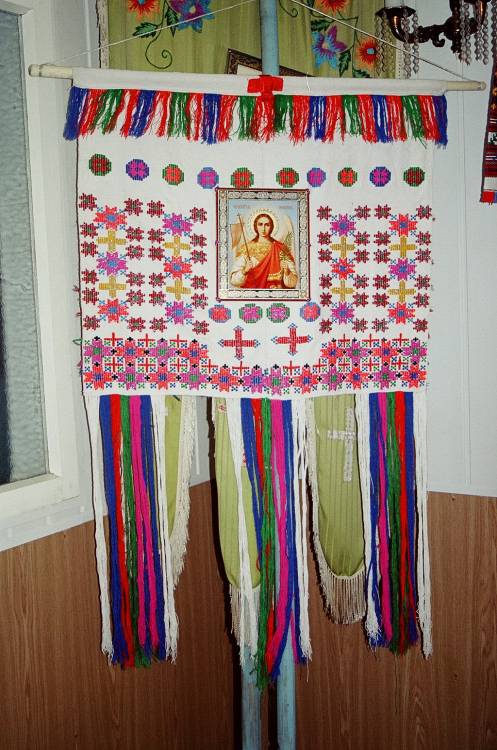
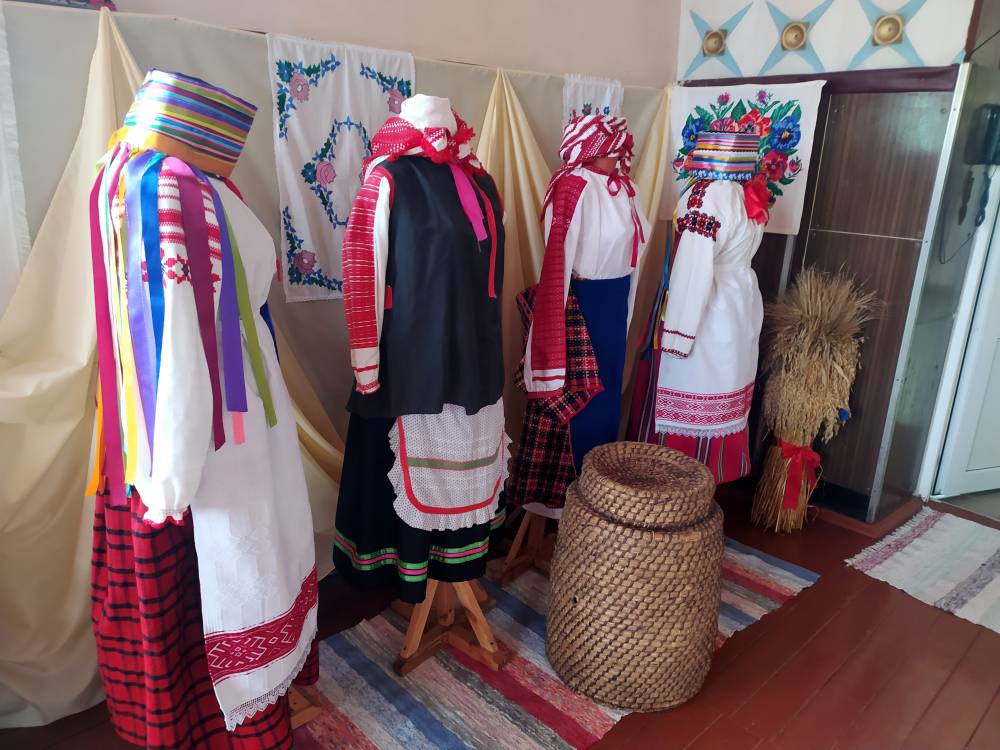
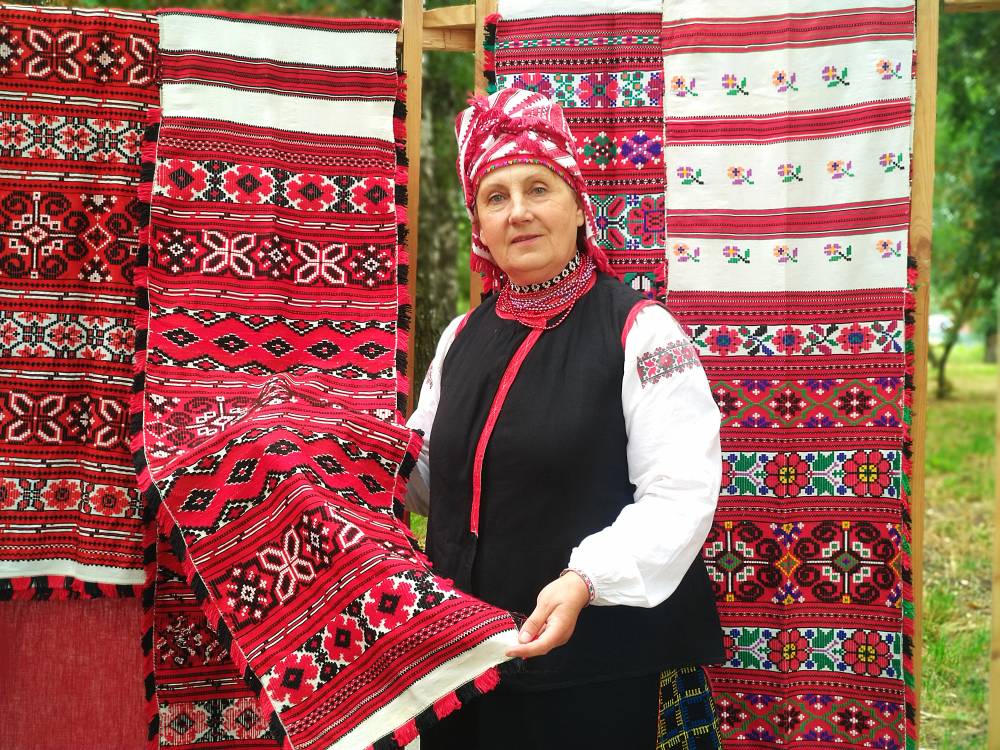
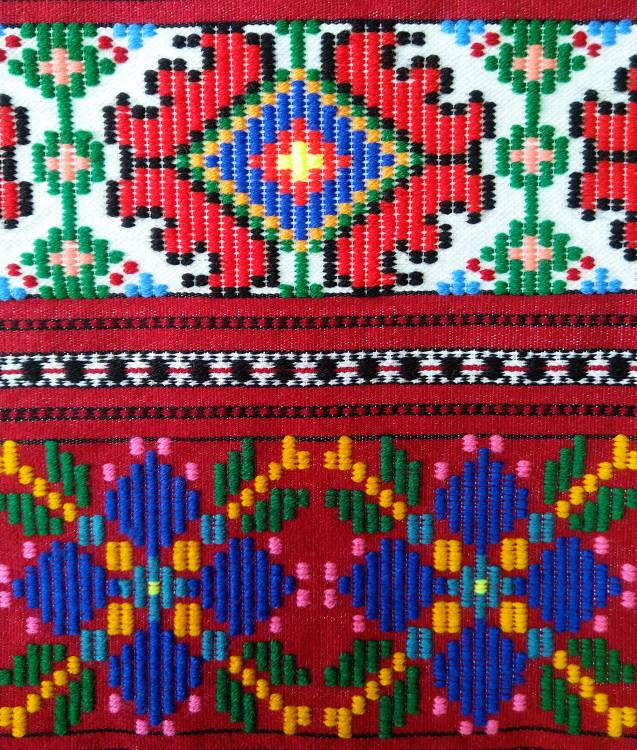
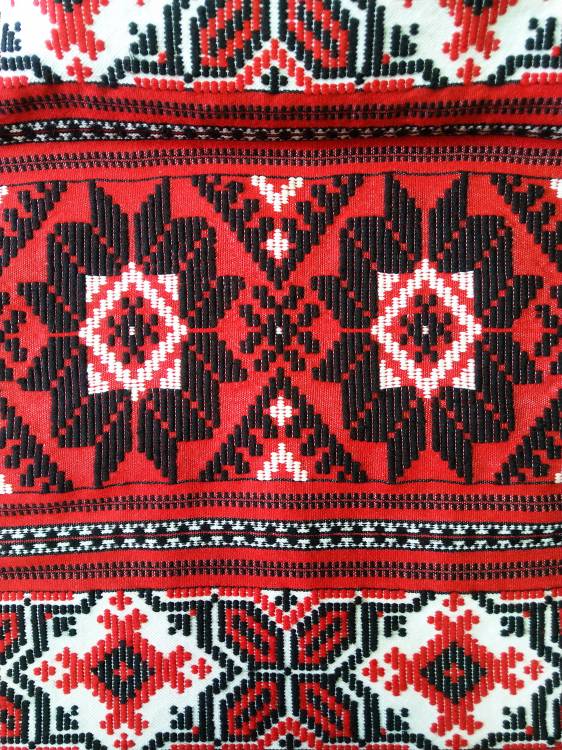
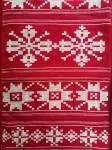
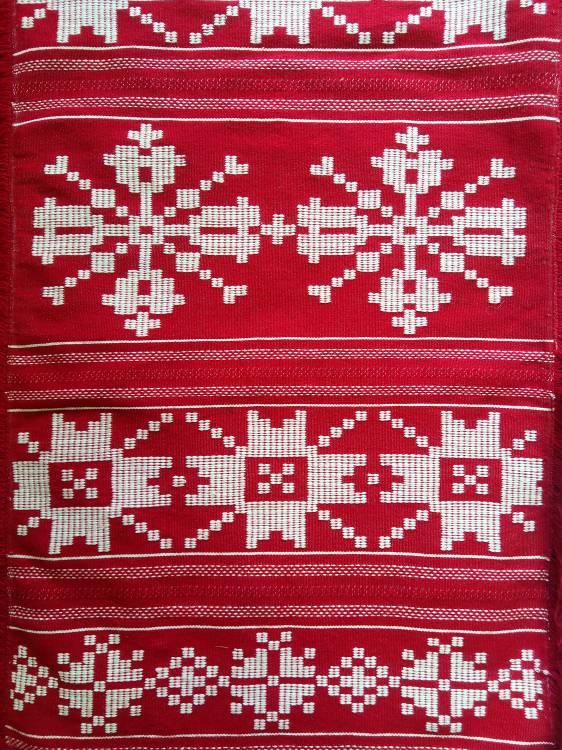
The negliubka textile tradition is a weaving and embroidery practice observed by a rural community in the Gomel region. It includes the creation of woven towels and clothing using a variety of techniques, such as cross-stitch weaving and embroidery. Negliubka towels are richly ornamented with complex colour combinations, geometric and floral patterns, and decorative fringes, while the traditional outfit is characterized by a white ornamented shirt, aprons, a woven shawl and accessories. The work is mostly practised by women, although men can also contribute.
The knowledge and skills related to the element are typically passed down within families, especially from grandmothers and mothers to daughters. Transmission also takes place in formal settings, such as local craft centres and museums, which organize exhibitions, workshops and training. The negliubka textile tradition is a strong symbol of community identity and cultural pride. It contributes to the local economy by attracting visitors and increasing interest from cultural and academic institutions.