Inscribed in 2025 (20.COM) on the List of Intangible Cultural Heritage in Need of Urgent Safeguarding
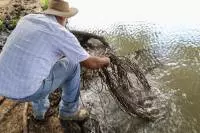
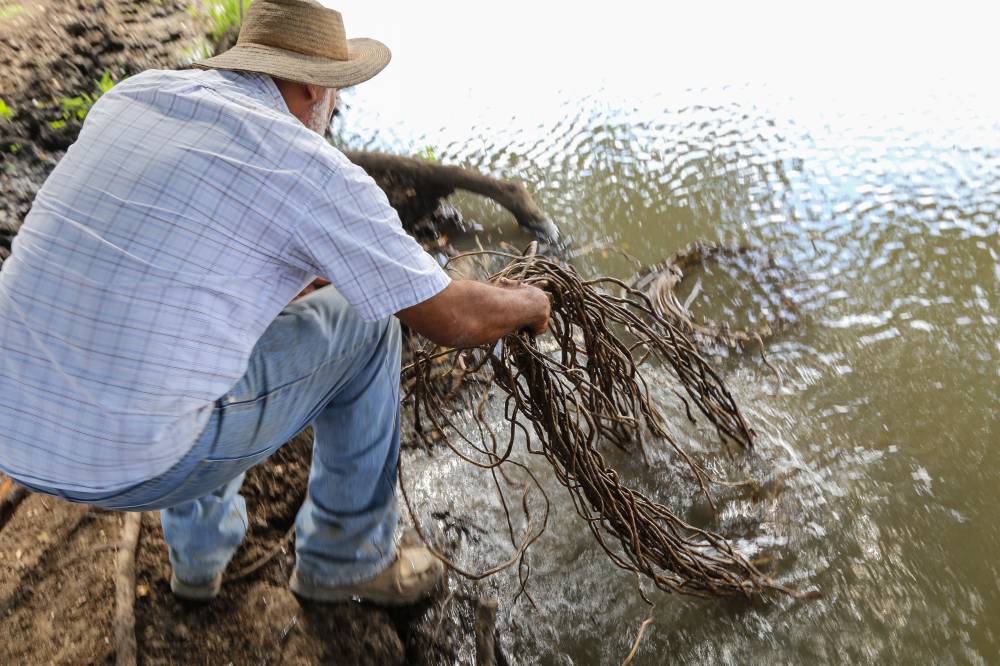
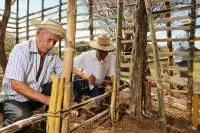
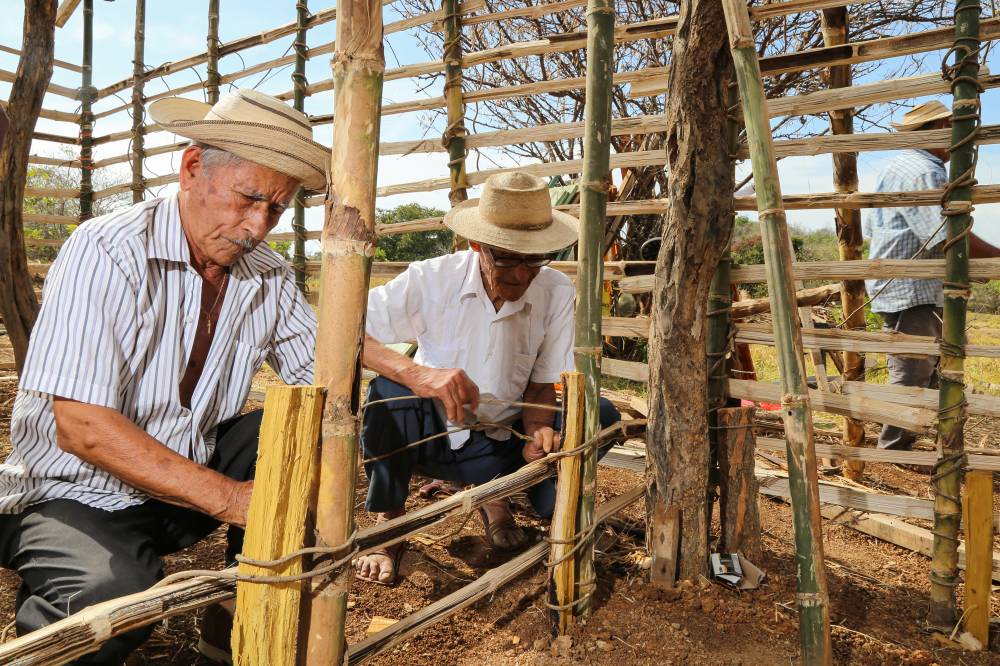
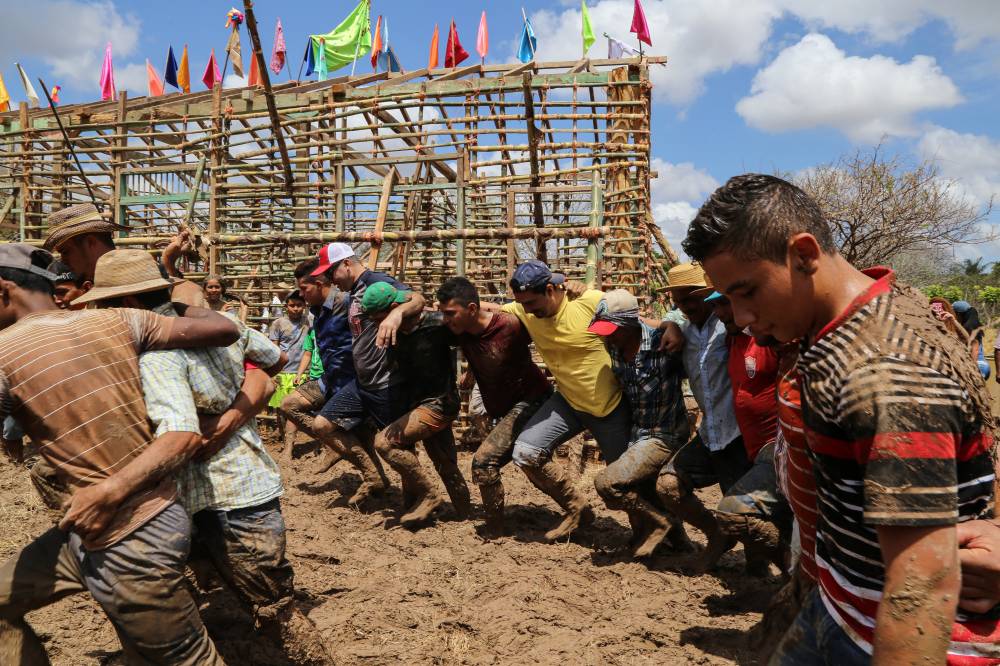
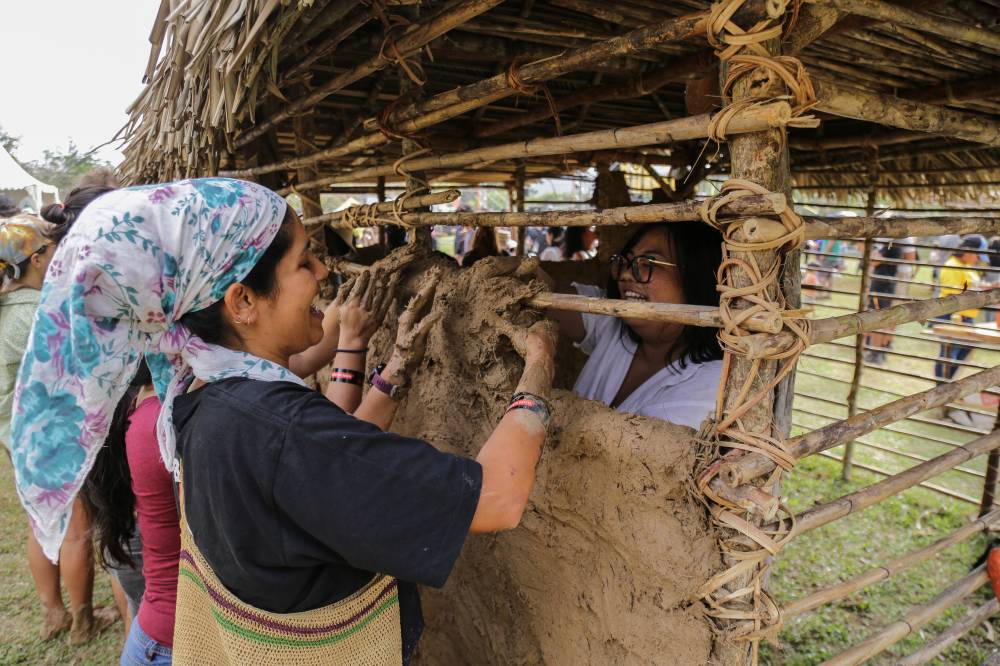
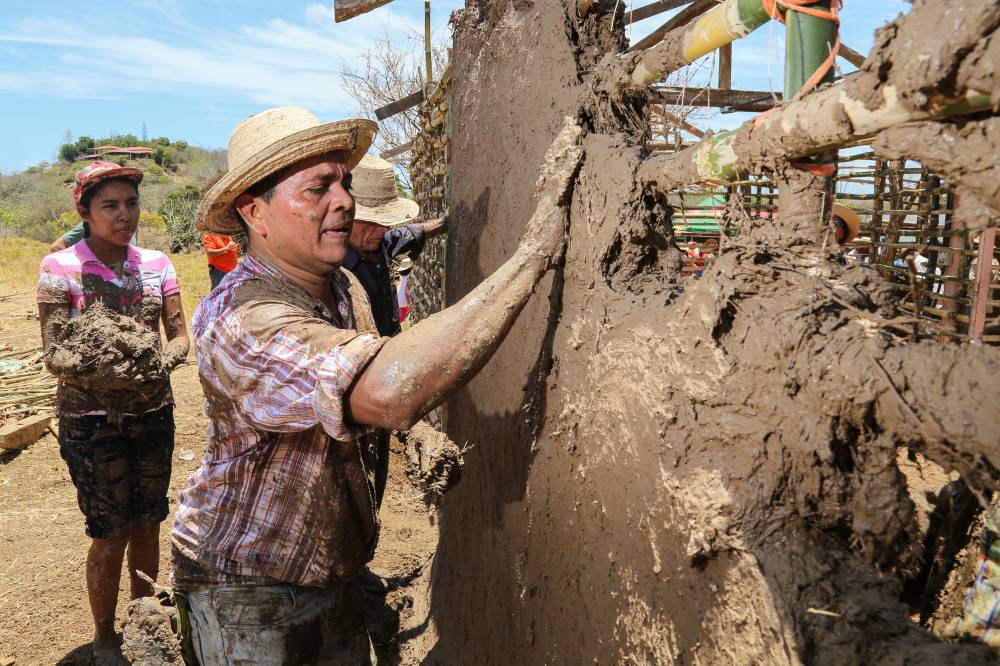
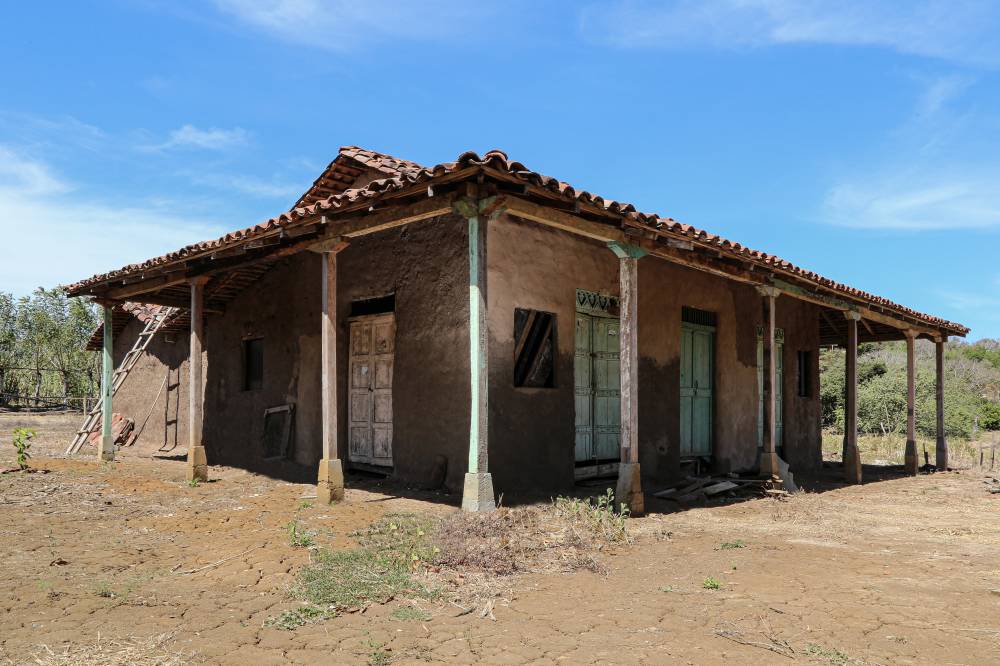
The construction of mud or clay houses, known as quincha houses, is a traditional building practice commonly found in rural and semi-urban areas in many parts of Panama. These homes are made using a mix of clay soil, hay and natural fibres, along with wood and plants to support the structure. This construction process – called a ‘junta de embarre’ – requires deep knowledge of local materials and the environment, as well as skill in mixing, shaping and assembling the components.
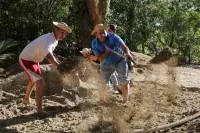
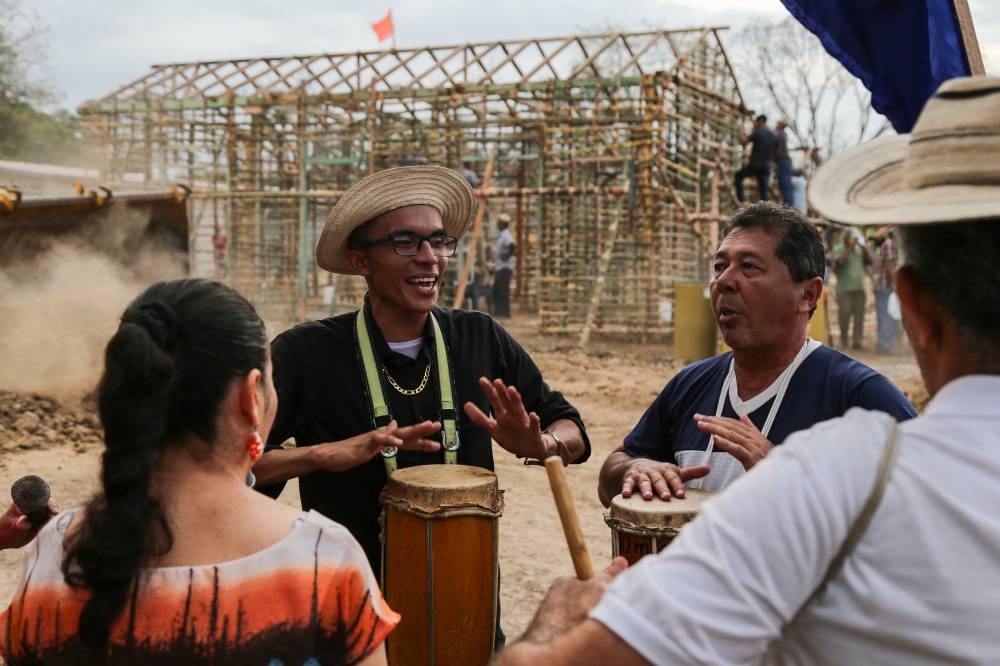
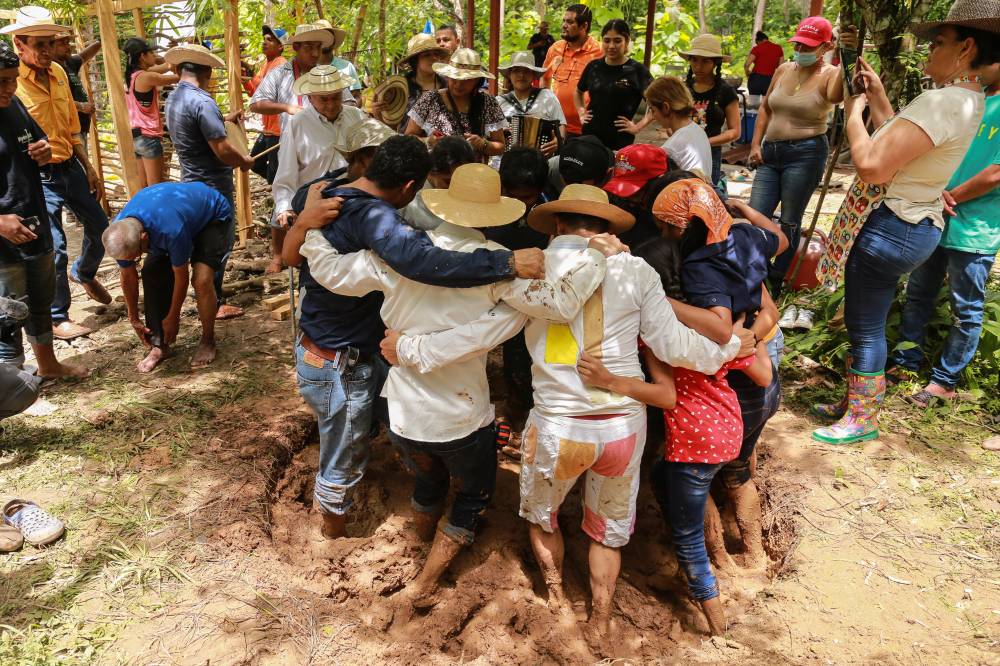
The techniques for building quincha houses are passed down informally, especially during community events called mud meetings, when people of all ages come together to learn, help and celebrate. Participants are taught how to prepare and stamp the clay mixture, apply it to walls and build the structure. The practice reinforces values such as teamwork, cooperation and mutual support. It involves several roles, from master builders in charge of designing the structure, to other participants who help prepare the clay, make bricks or tiles and organize labour. Songs, traditional food and music are often part of these communal efforts, turning the construction process into a social and cultural event.