Inscribed in 2025 (20.COM) on the Representative List of the Intangible Cultural Heritage of Humanity
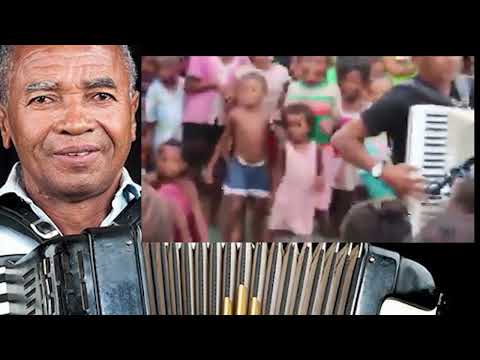
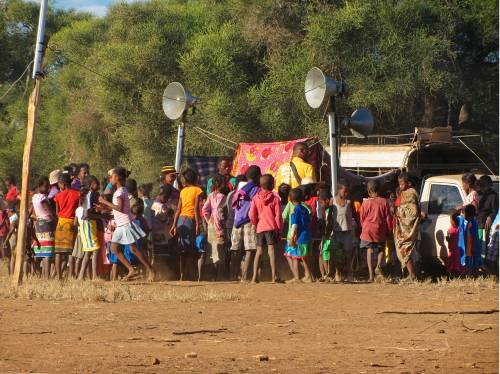
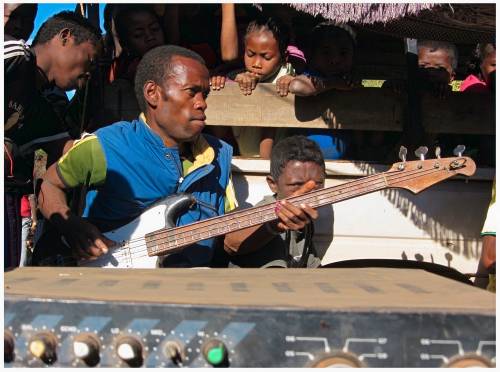
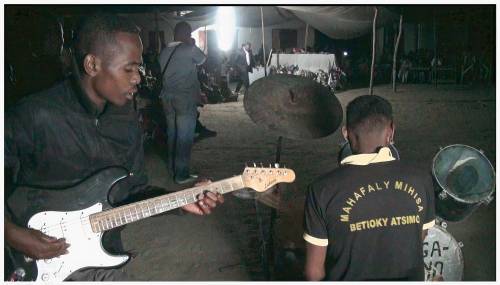
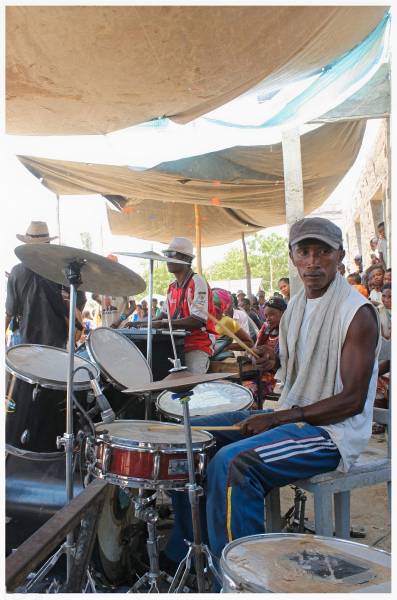
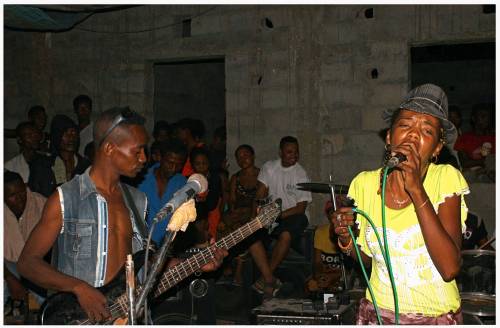
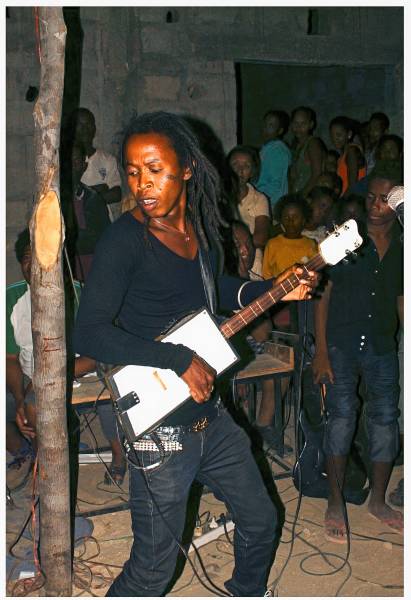
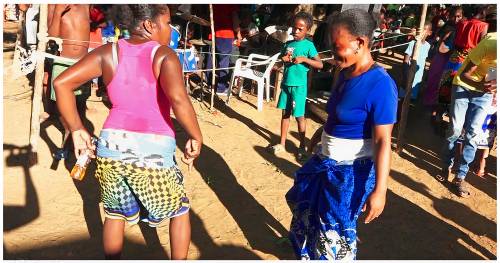
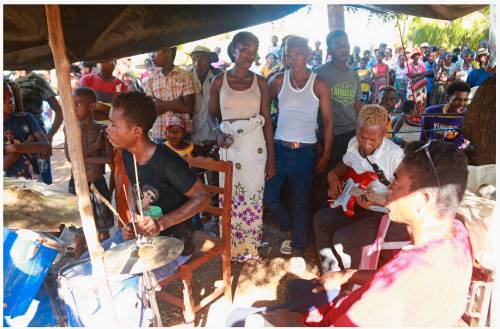
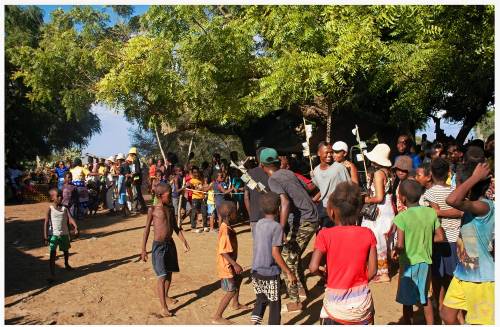
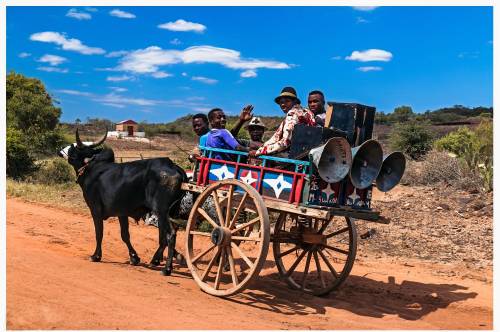
Tsapiky is a fast-paced musical genre that combines modern and traditional sounds and is deeply rooted in the social life of the inhabitants of southwestern Madagascar. It features electric guitars, drums, accordions and local instruments such as the ‘kabosy’ (a small guitar) and the ‘marovany’ (a string instrument). Although initially instrumental, over time it has evolved to include lyrics touching on daily life, love and social issues, as well as traditional dances. Tsapiky plays a central role in community life, as it is performed at nearly every social and ritual event, including weddings, funerals, festivals and ceremonies.
The practice is passed down informally within families, neighbourhood groups or amateur and professional orchestras. Young musicians learn by listening, watching and practising with experienced players. Many tsapiky orchestras include singers, musicians and dancers, some of whom record music and tour widely. Older artists and associations also help promote and preserve the tradition. Tsapiky supports emotional expression, community bonds and social unity. For many, the music has a healing role, as the high-energy rhythm and dancing can lead to trance-like states that help release stress and ease physical pain. For the practising communities, tsapiky promotes a sense of belonging and continuity and contributes to their social life and resilience. It brings people together, supports cultural identity and promotes intergenerational connection.