Inscribed in 2025 (20.COM) on the Representative List of the Intangible Cultural Heritage of Humanity
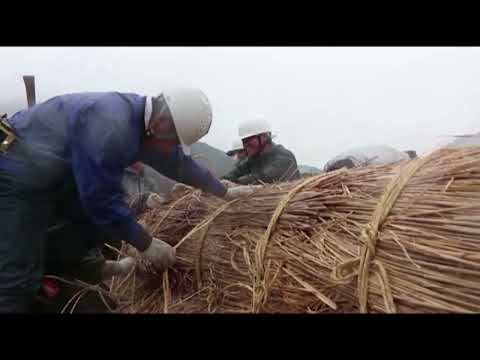
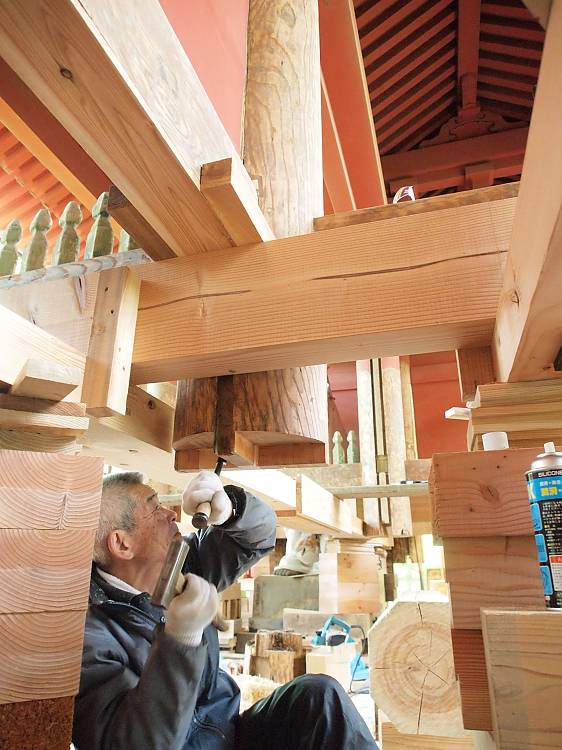
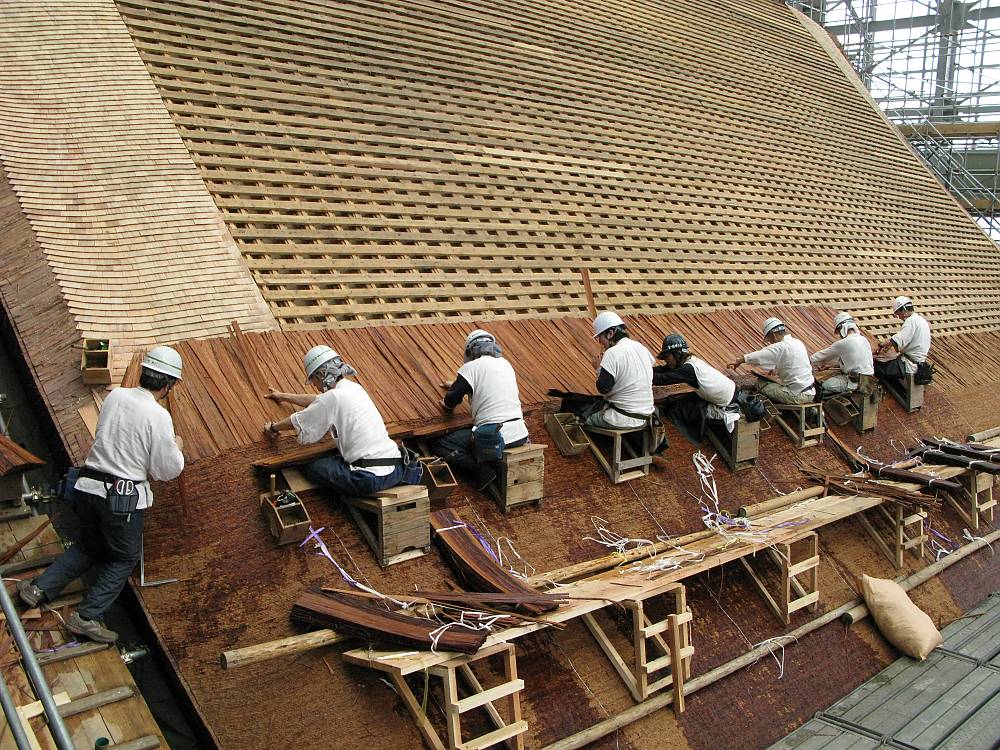
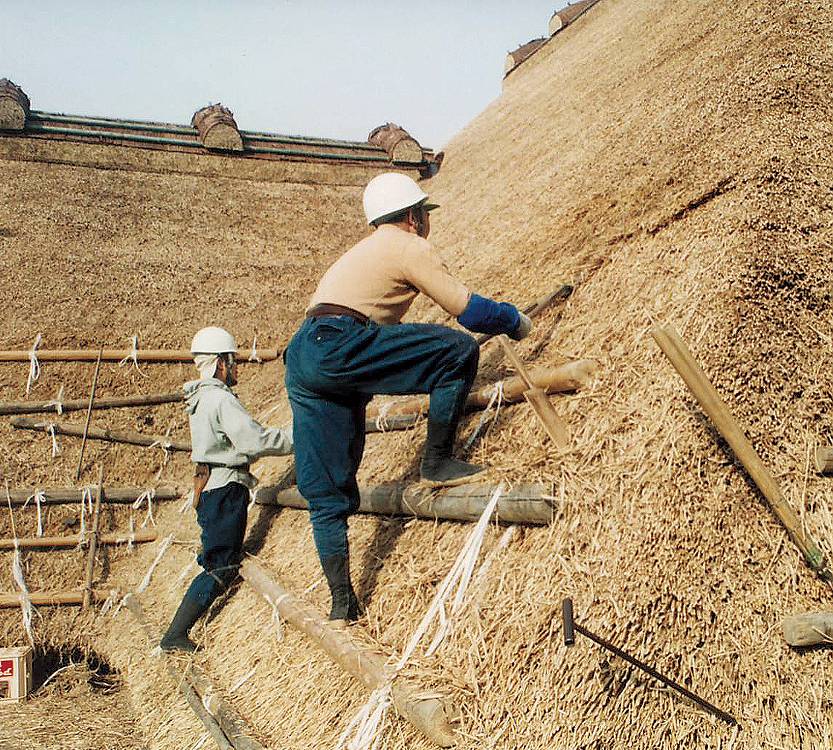
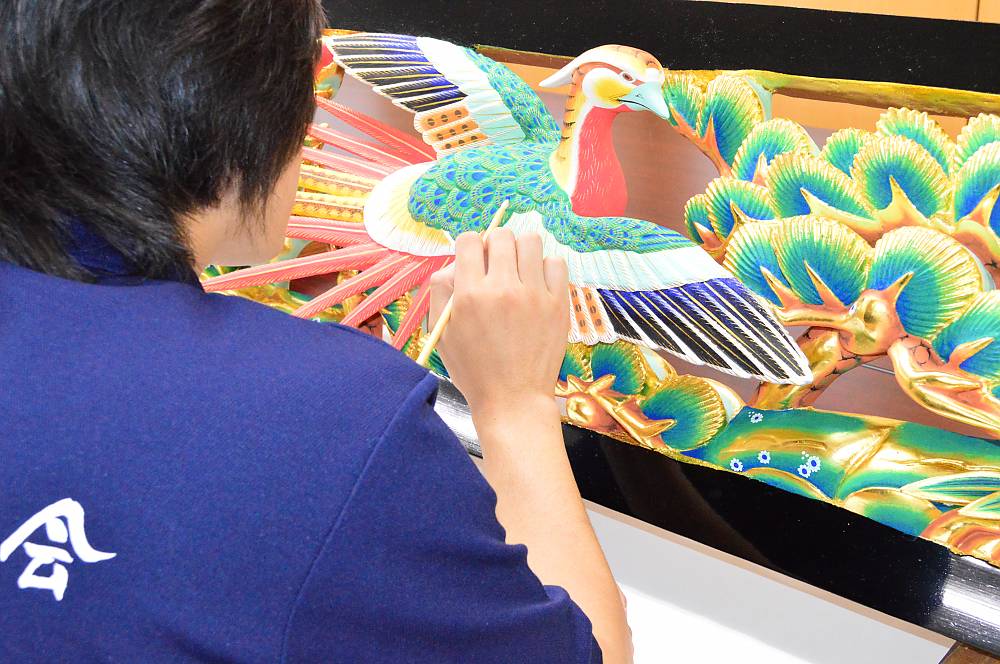
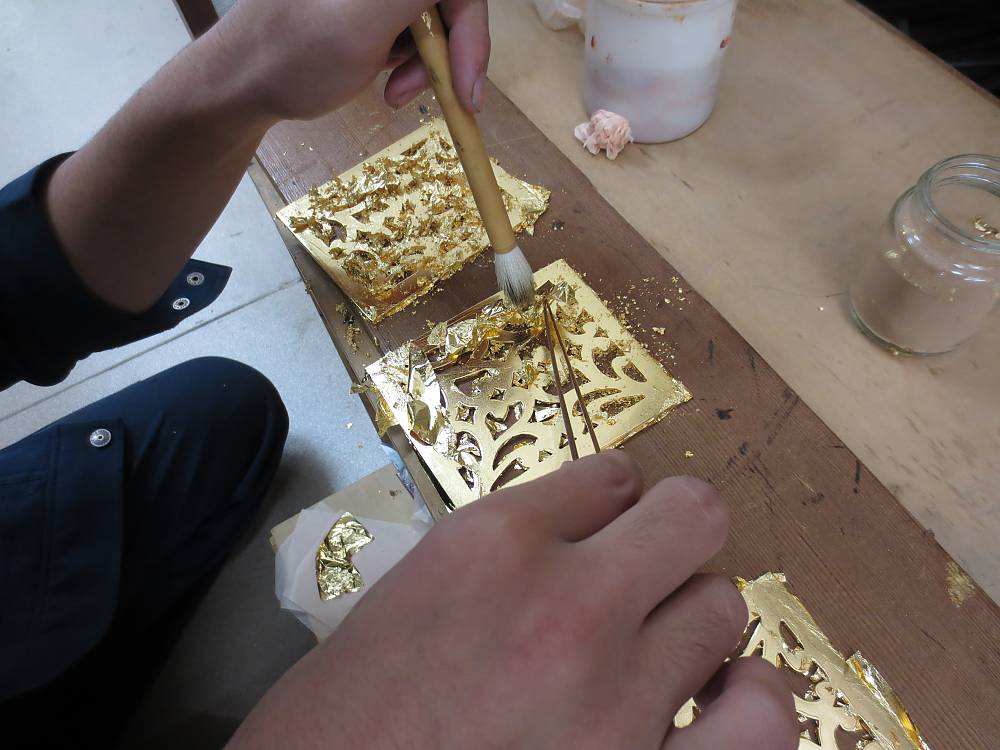
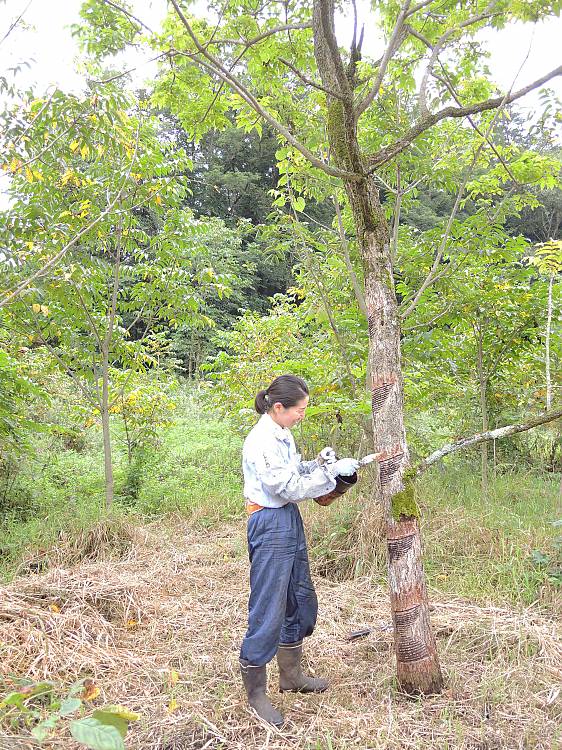
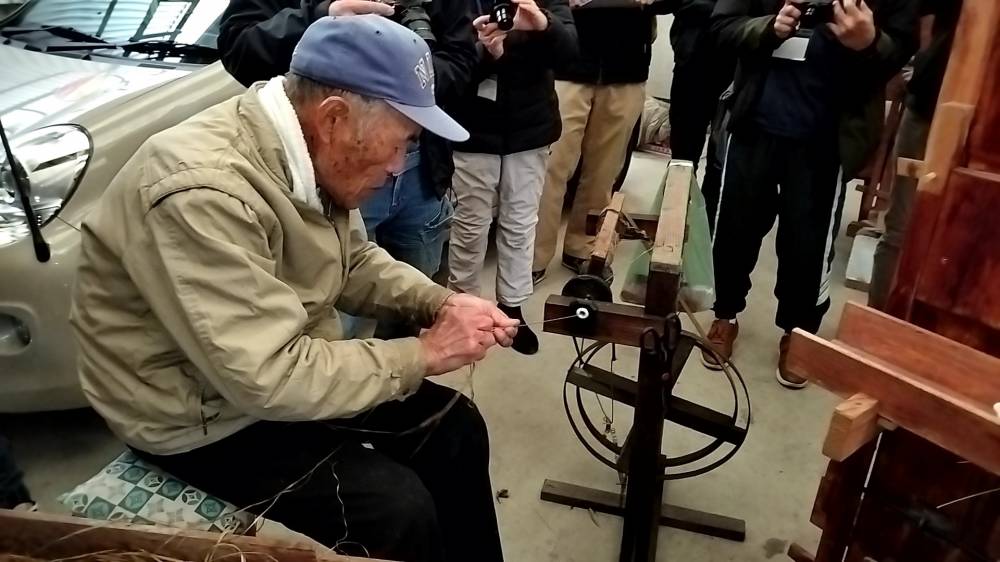
The conservation and transmission of wooden architecture consists in a set of traditional skills, techniques and knowledge to build new wooden structures and restore existing ones. This includes skills such as plastering, the cultivation and harvesting of raw materials, lacquer painting of traditional structures, and many more. Initially, master craftspeople transmitted the related knowledge and skills by training apprentices as their successors. However, with modernization, this process became more difficult. As a result, preservation associations were formed to safeguard the element.
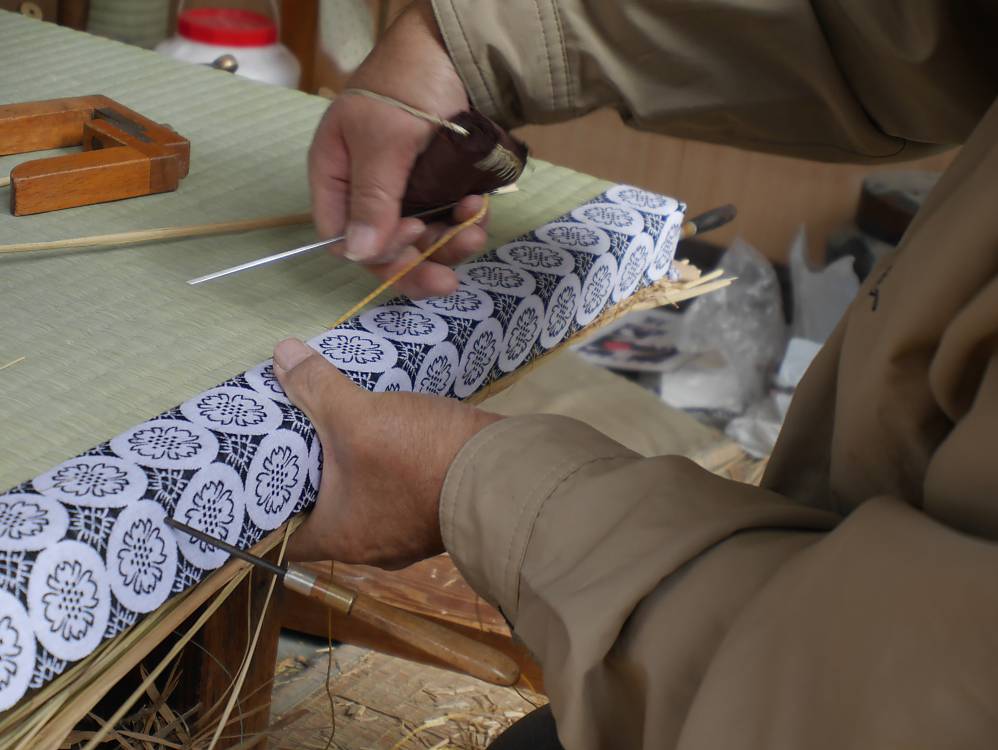
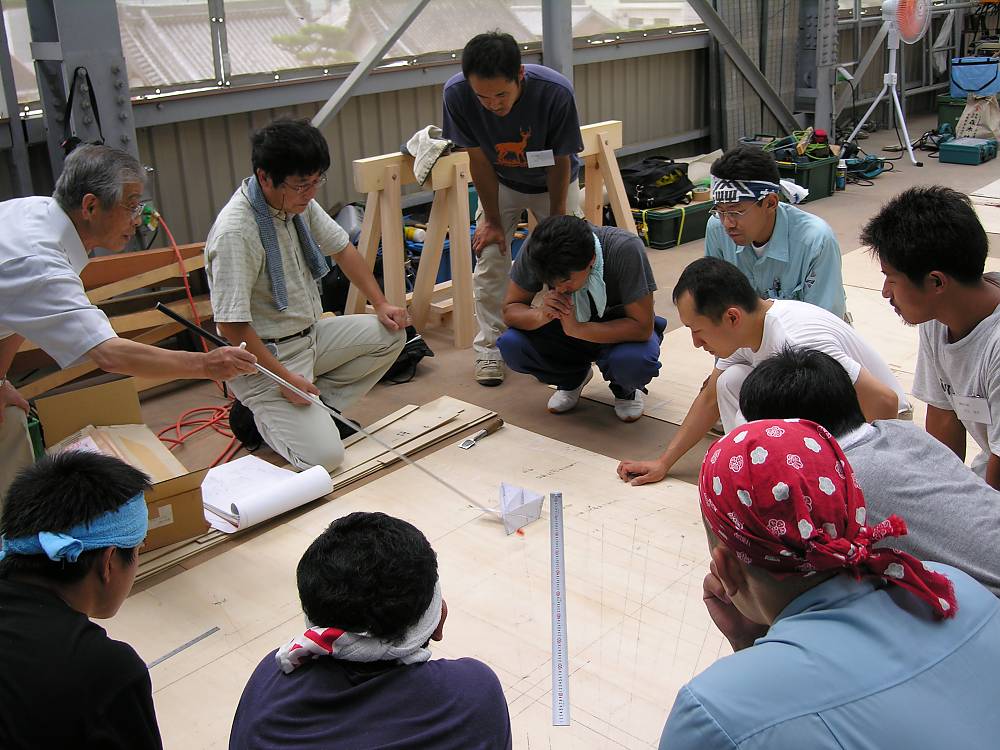
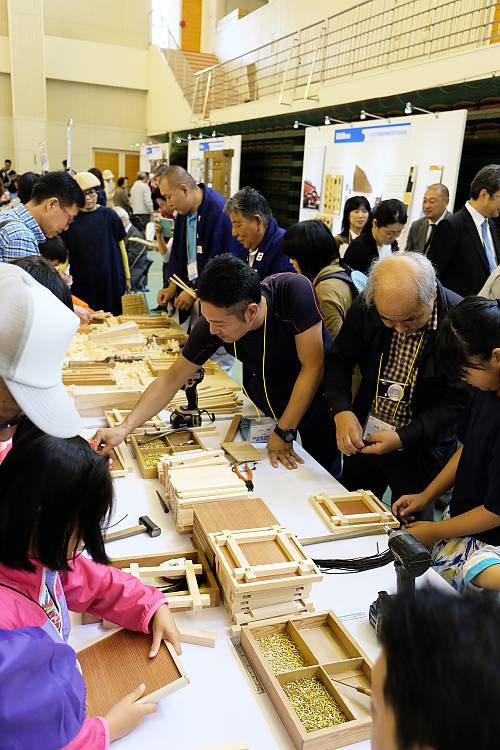
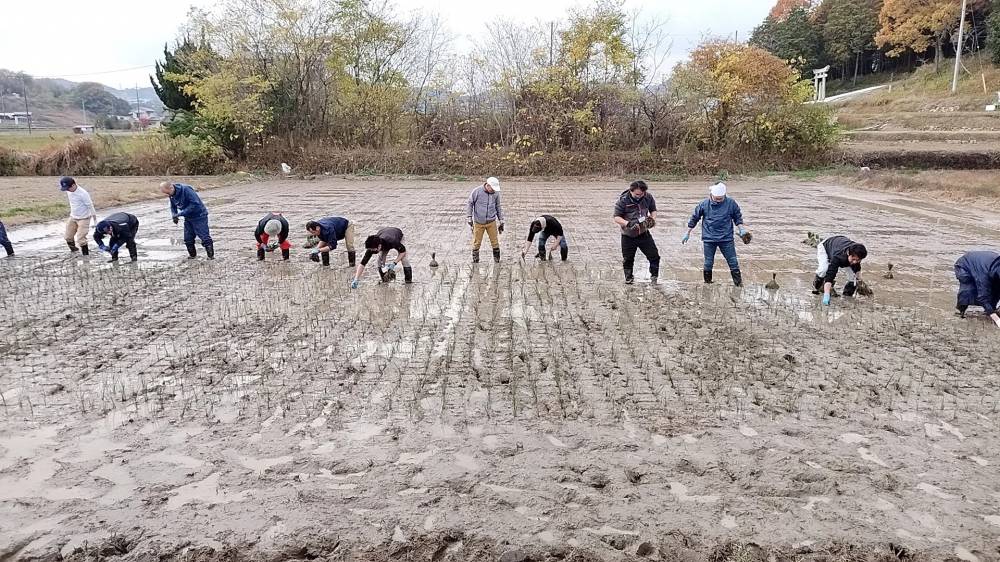
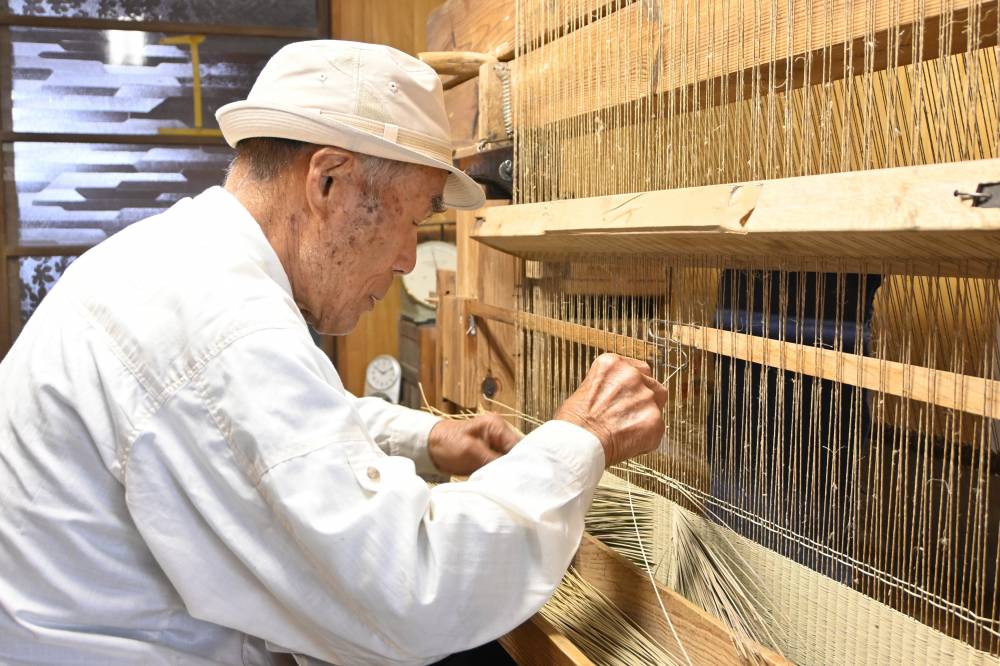
Certain skills associated with the element, such as the creation of ‘Nakatsugi-omote’ (a type of tatami surface), are transmitted through training sessions and seminars focusing on the sustainable use of natural resources and the cultivation of raw materials. Due to the country’s hot and humid climate, repair work must be undertaken on a regular basis. At restoration sites, craftspeople with different skills work together to complete the restorations. Some maintenance work also requires the involvement of local residents. The element thus serves a social function by fostering cooperation and social cohesion while strengthening the practising communities’ sense of shared cultural identity.