Inscribed in 2025 (20.COM) on the Representative List of the Intangible Cultural Heritage of Humanity
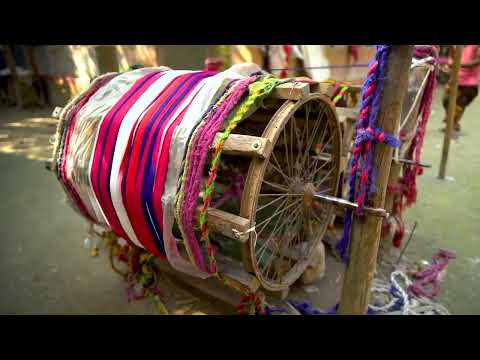
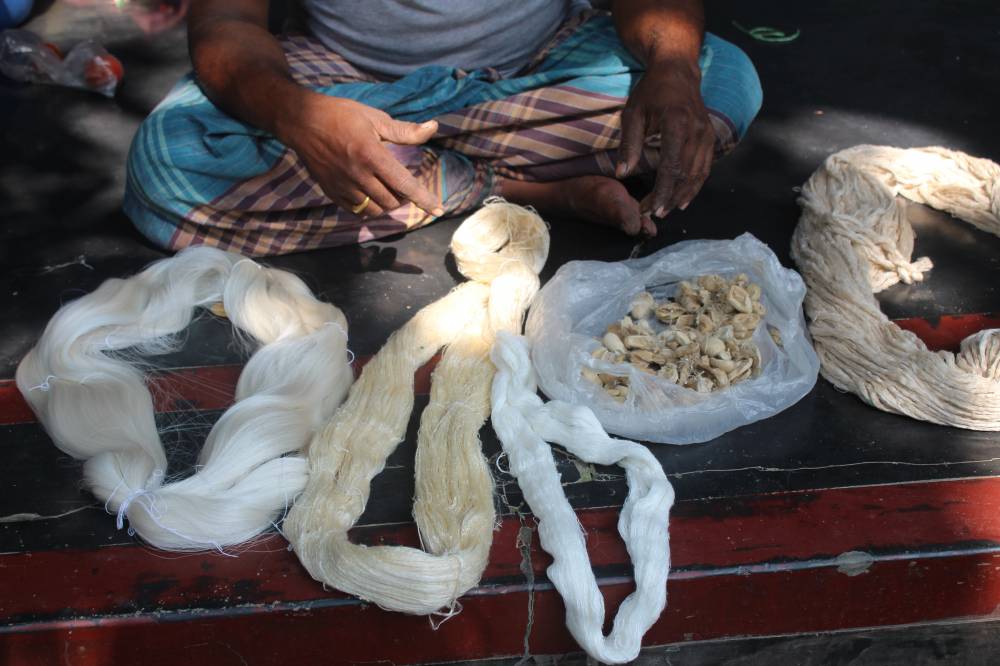
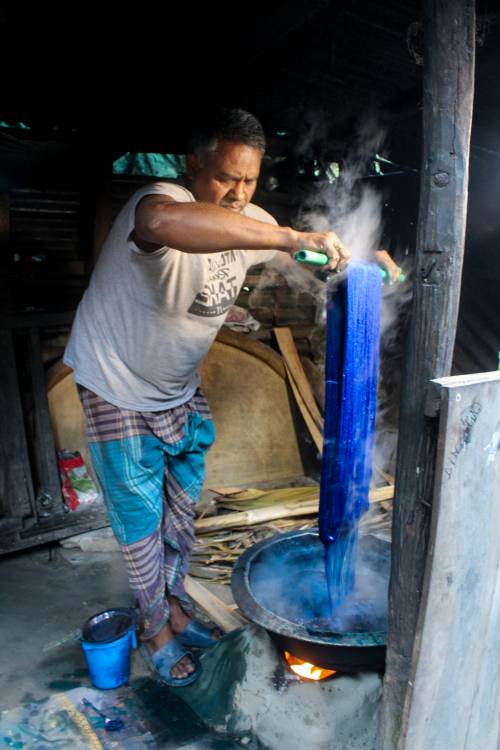
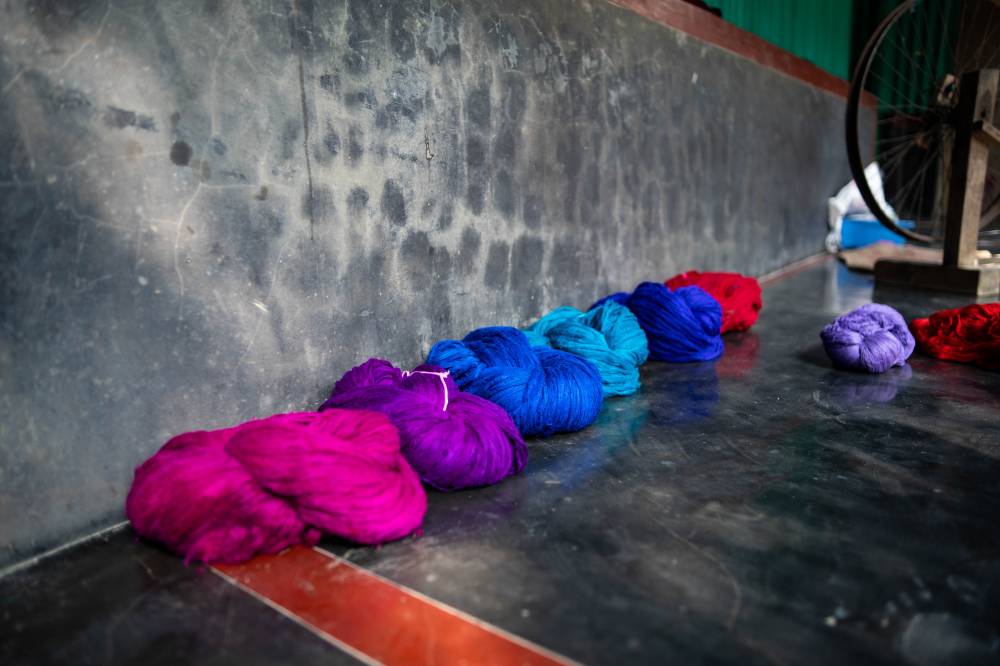
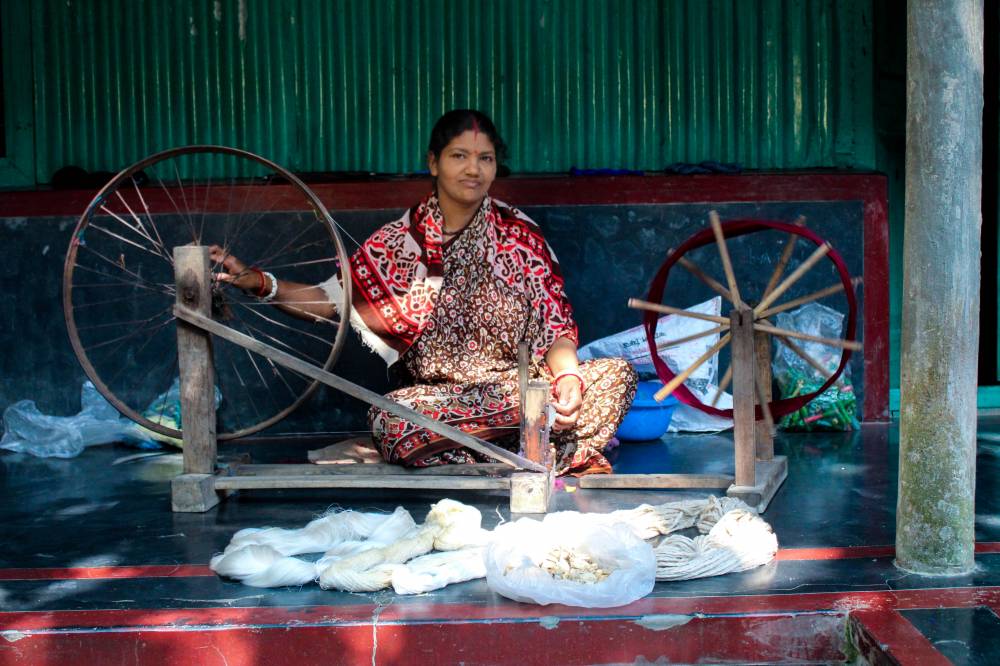
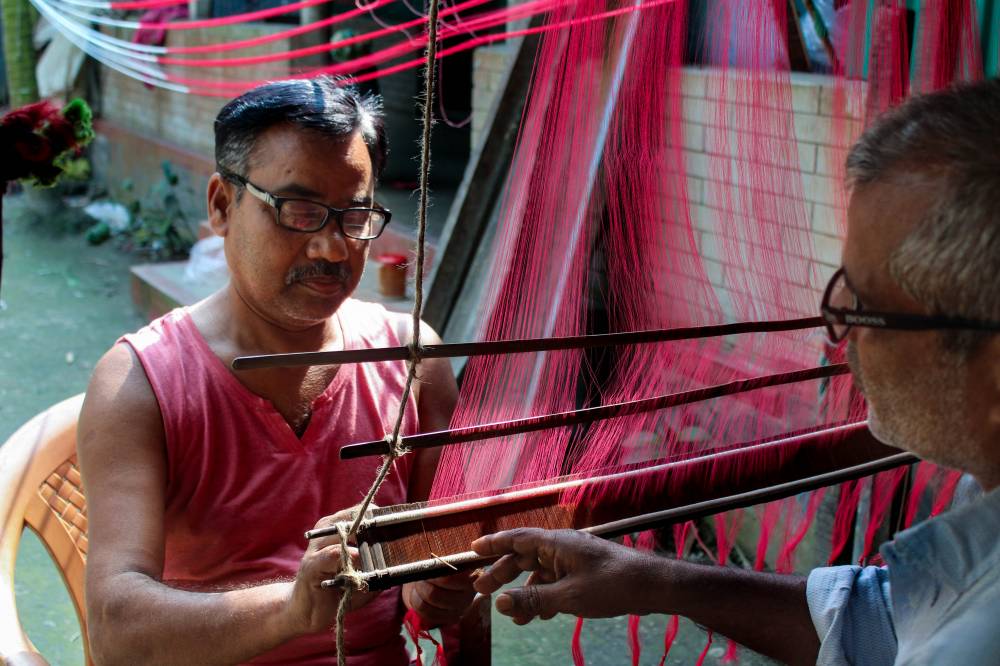
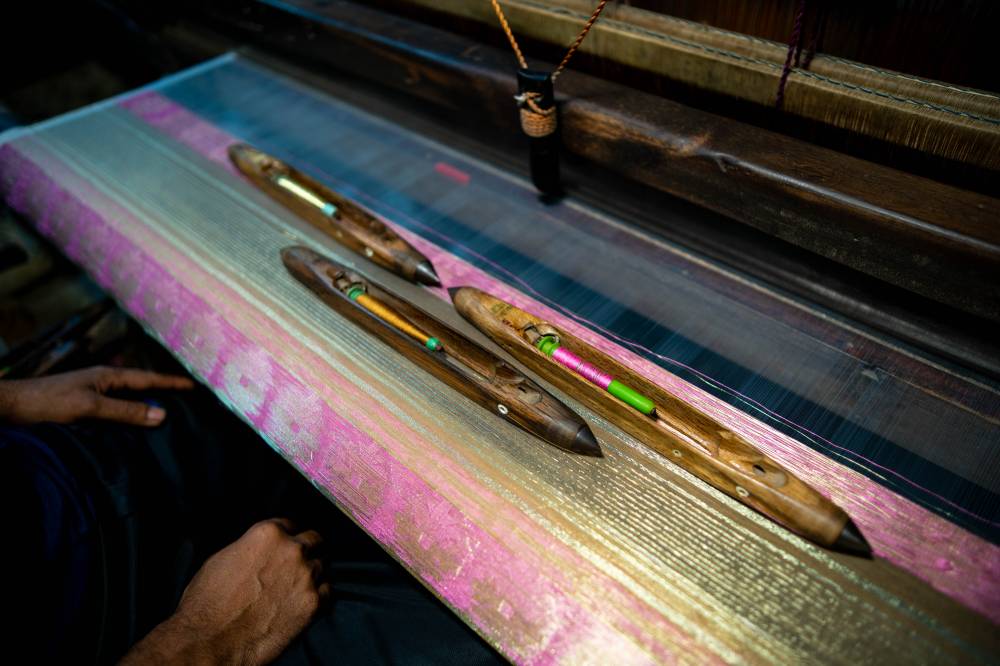
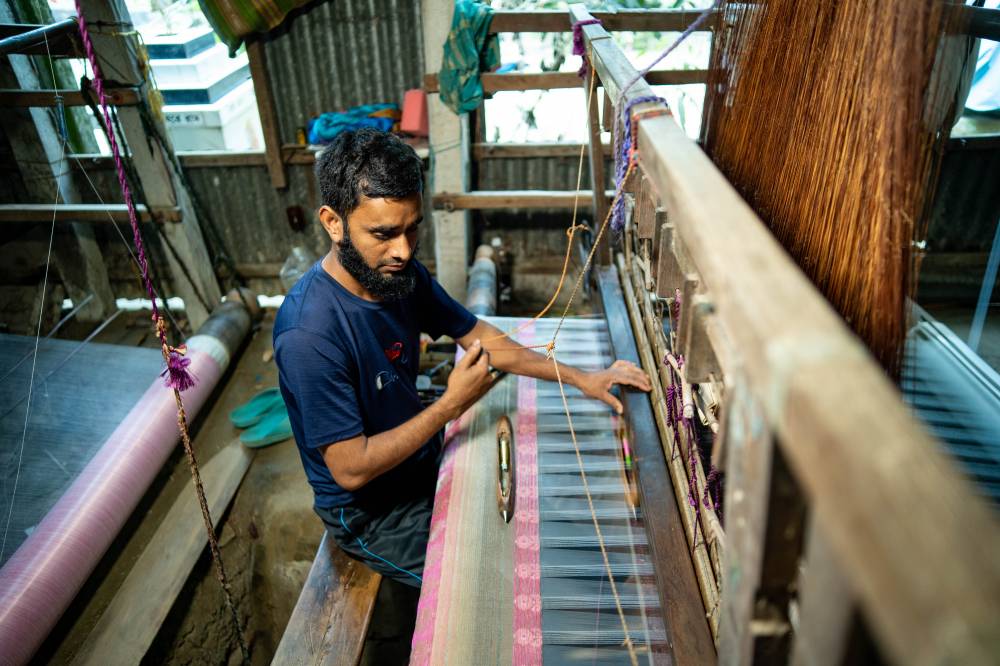
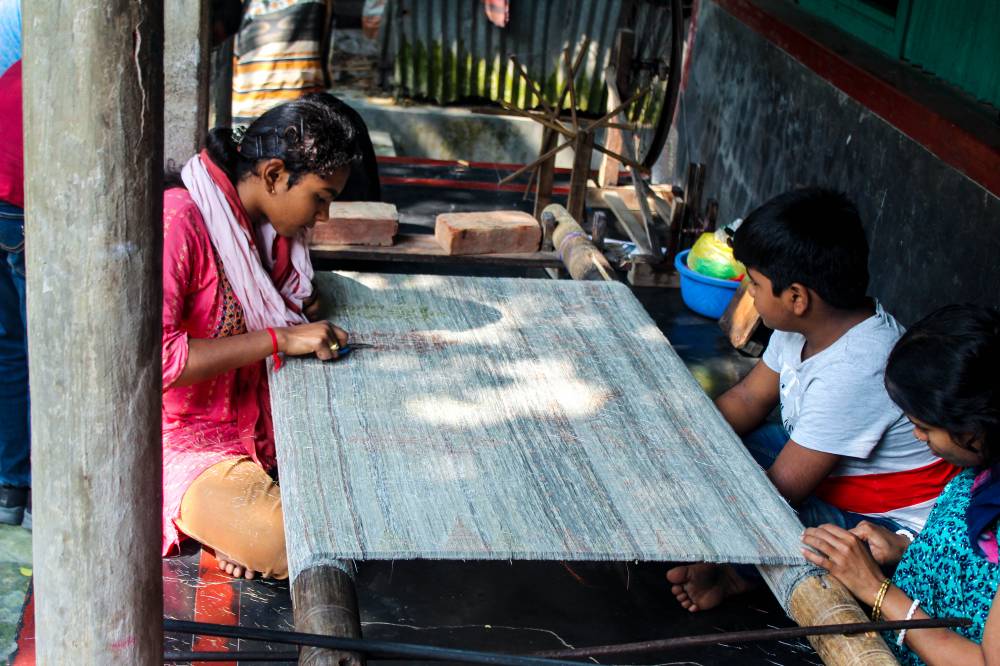
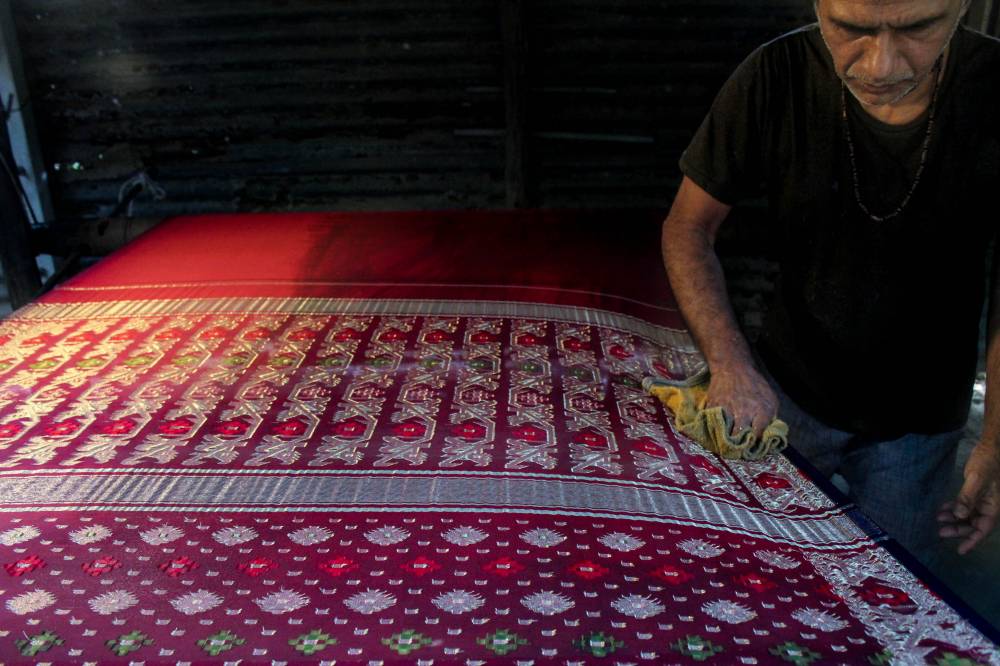
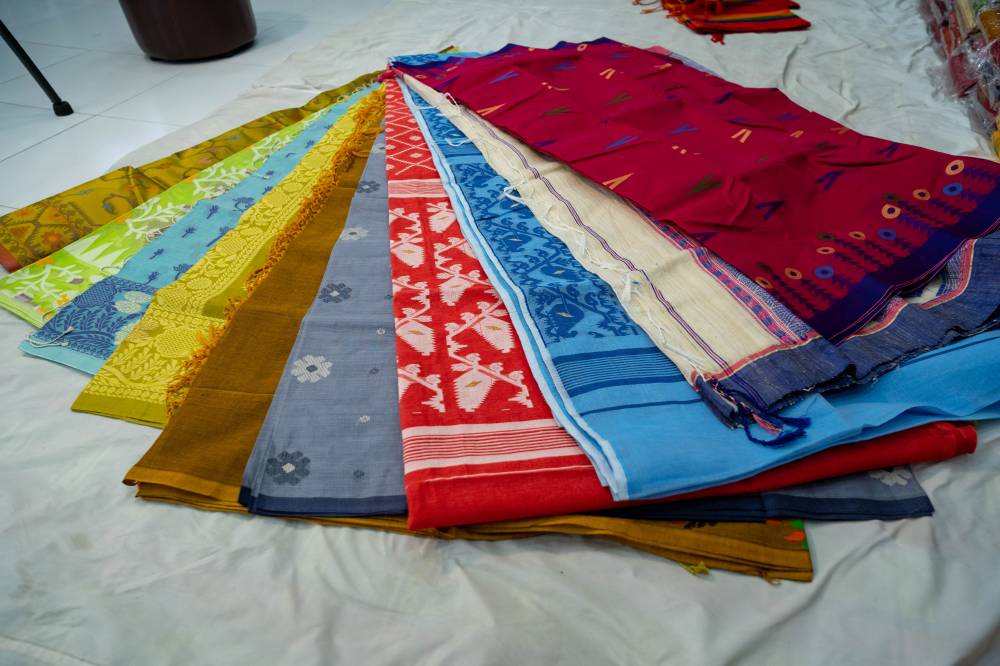
The saree is a traditional handwoven fabric, characteristic of the Basak and Jhola communities, respectively composed by Hindus and Muslims. It is made from cotton, silk or jute using a special weaving technique. Tangail sarees are characterized by their fine texture, detailed designs and local patterns, making each piece a work of art that reflects local social and cultural practices. The sarees hold strong cultural value and are often worn during major festivals, weddings and celebrations. Men generally lead the main weaving process, including designing, dyeing the yarn and crafting the fabric using the traditional handloom. Women assist by making thread with a traditional wheel, applying rice starch, and adding the final touches. Other family members, including youth, help by preparing the fabric for finishing.
Weavers celebrate their work before festivals and ceremonies. While the saree is the most well-known product of the weaving art of Tangail, the same weaving method is also used to make other types of clothing. The knowledge and skills related to traditional saree weaving are passed down informally within families, through observation and hands-on learning, with children starting to learn from an early age. The tradition not only supports local livelihoods but also reflects a shared cultural identity. Symbols of cultural pride and craftsmanship, these sarees are also displayed at national and international events.