Kazakhstan Kyrgyzstan Uzbekistan
Inscribed in 2025 (20.COM) on the Representative List of the Intangible Cultural Heritage of Humanity
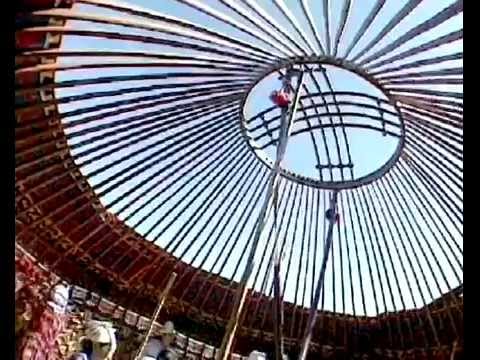
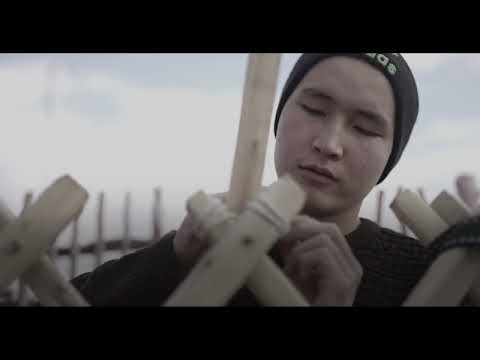
The yurt is a nomadic dwelling with a collapsible wooden circular frame covered with felt and braided with ropes. It can be easily assembled and dismantled within a short period of time. Yurts are made from natural and renewable raw materials. Men and their apprentices make the wooden frames by hand, along with wooden, leather, bone and metal details. Women make the interior decorations and exterior coverings, which are ornamented with organic or geometric patterns. As a rule, they work in community-based groups supervised by experienced women artisans, and employ weaving, spinning, braiding, felting, embroidering, sewing and other traditional techniques.
Related knowledge and skills are transmitted within families or from teachers to apprentices. The practice is also transmitted by community elders, during various cultural events (exhibitions, festivals and workshops) and through the media. Yurt creation fosters common human values, cooperation and creativity. All festivities, ceremonies, births, weddings and funeral rituals are held in yurts, which are kept within the family and passed from parents to children as a sacred family relic. As such, the yurt remains a symbol of family history that is fundamental to the identity of the practising communities. It also contributes to social cohesion as well as to respect for cultural diversity and nature.


