The practice of Cuban Son
Inscribed in 2025 (20.COM) on the Representative List of the Intangible Cultural Heritage of Humanity
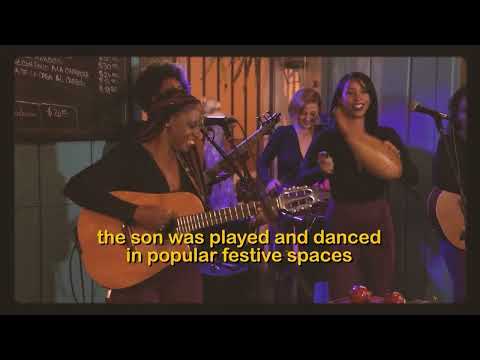
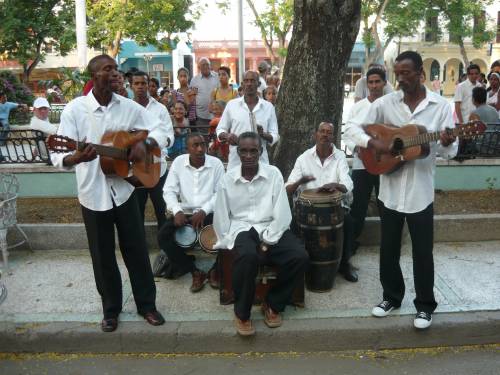
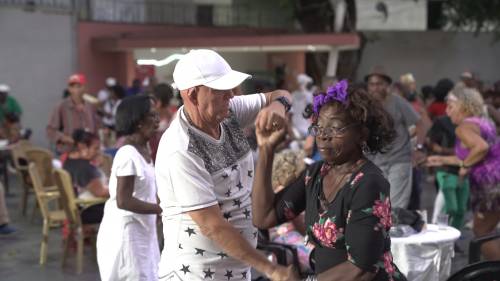
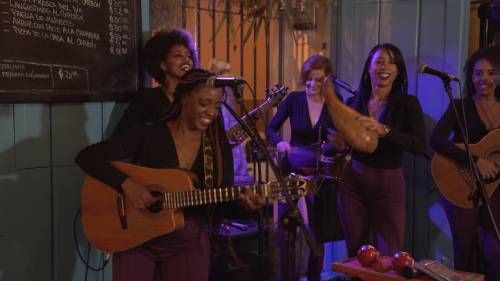
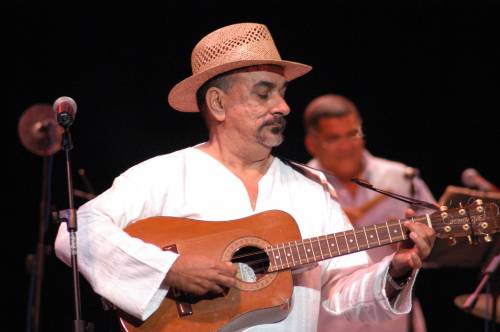
Son is a traditional music and dance practice that blends singing, instruments, rhythm and movement. It is performed in pairs or groups and combines improvisation with structured patterns. Son includes lyrics drawn from daily life, which are passed down orally, and brings together African and European musical influences. The dance is closely connected to the music, with the bass and instruments guiding the dancers steps. The practice involves various roles such as singers, dancers, composers, musicians and instrument makers. The singer leads the performance, often improvising verses and guiding the dance, while the ‘tres’ (a string instrument) plays a key musical role.
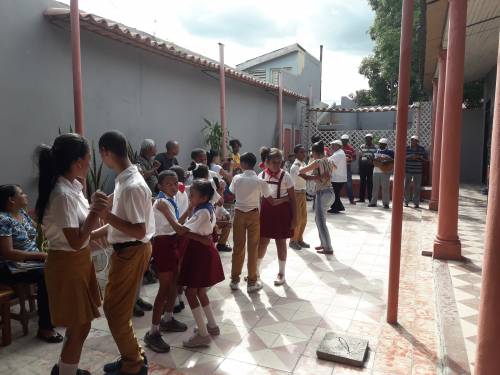
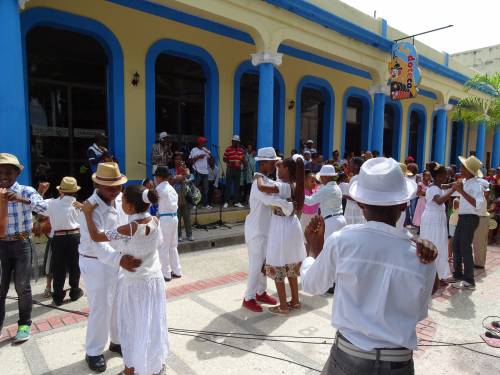
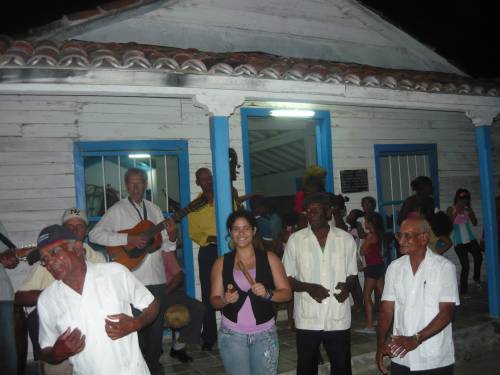
Son can be danced freely or with set choreography, often with the man leading the rhythm and steps. Son is passed down through both formal and informal education. Families, community gatherings and bands play an important part in transmitting the skills and traditions to younger generations. Elders share their knowledge, and schools and cultural centres include Son in their programmes to keep the practice alive. Son strengthens community bonds and contributes to the oral transmission of popular culture. It also promotes creativity, communication and a shared sense of heritage, belonging and identity both within and beyond the community.