Inscribed in 2025 (20.COM) on the Representative List of the Intangible Cultural Heritage of Humanity
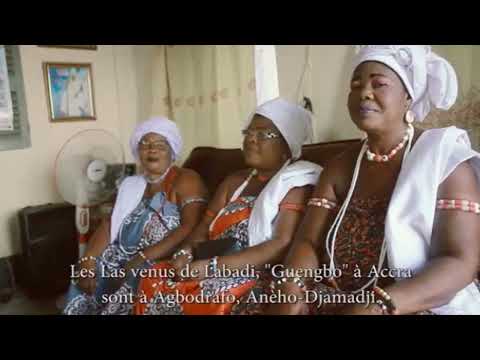
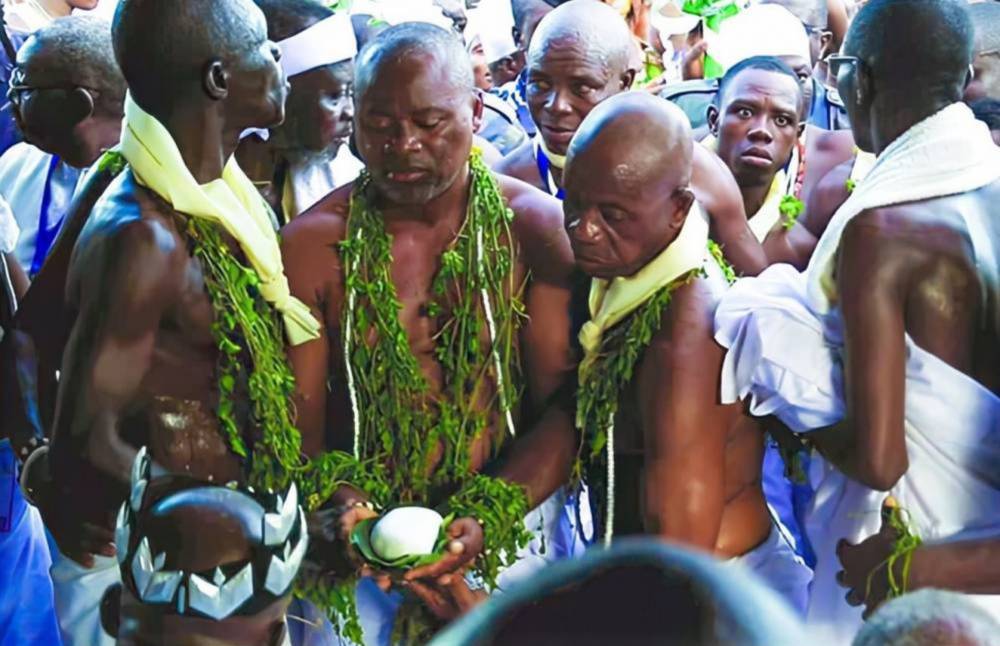
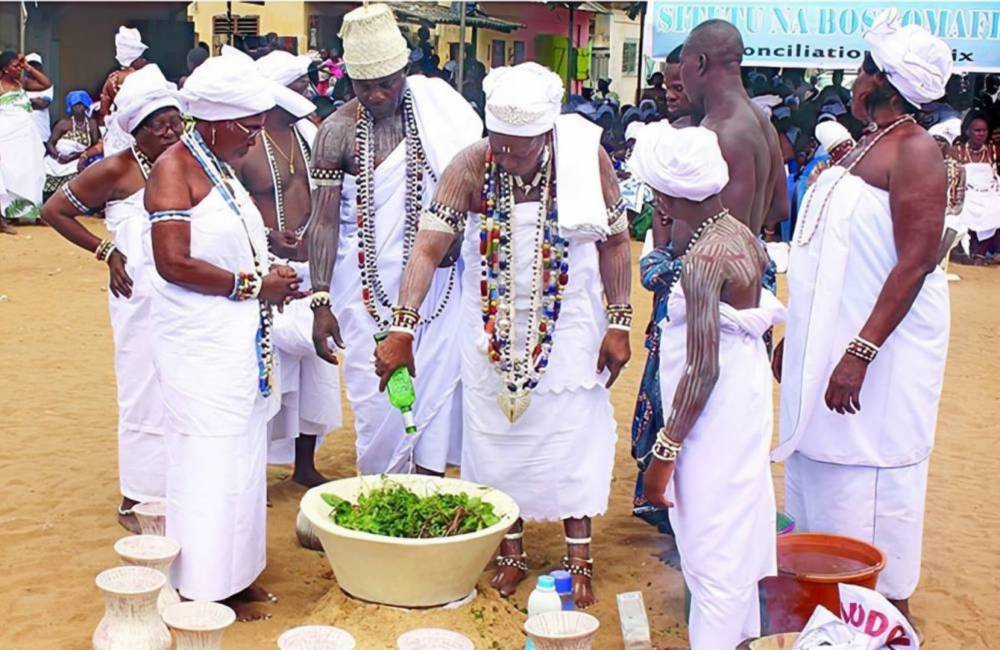
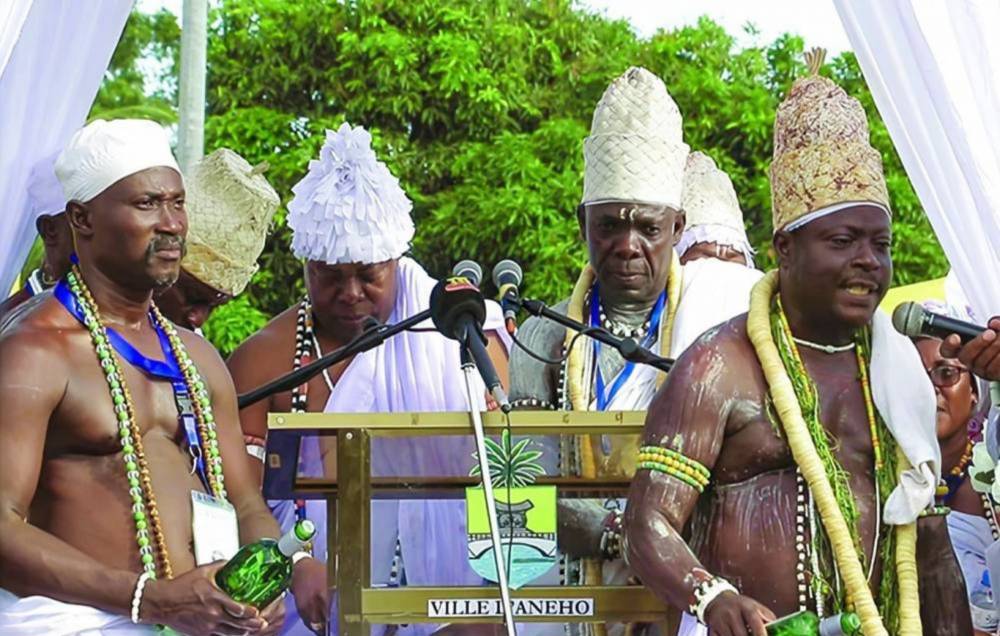
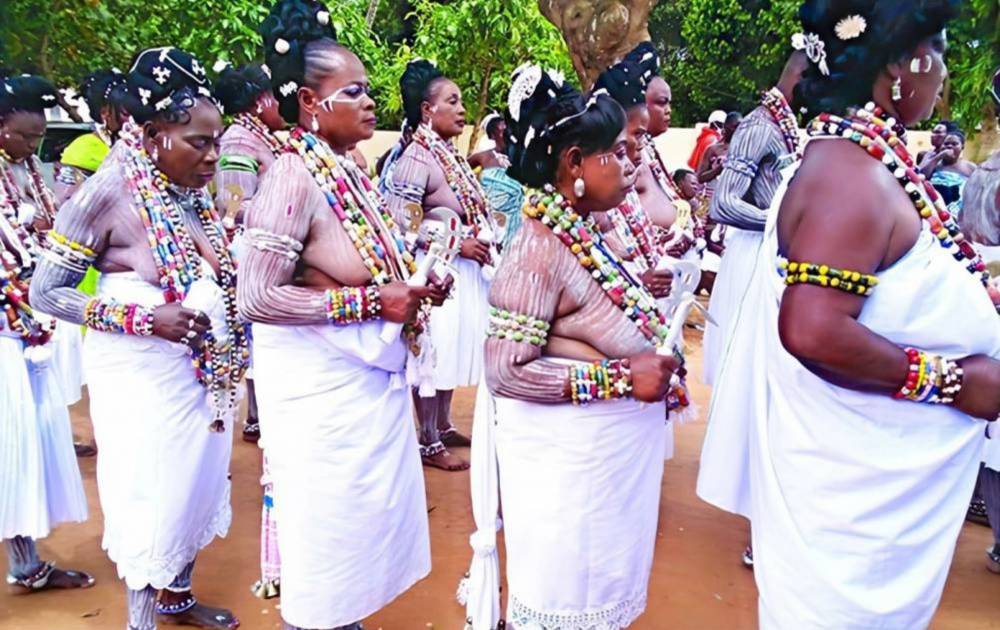
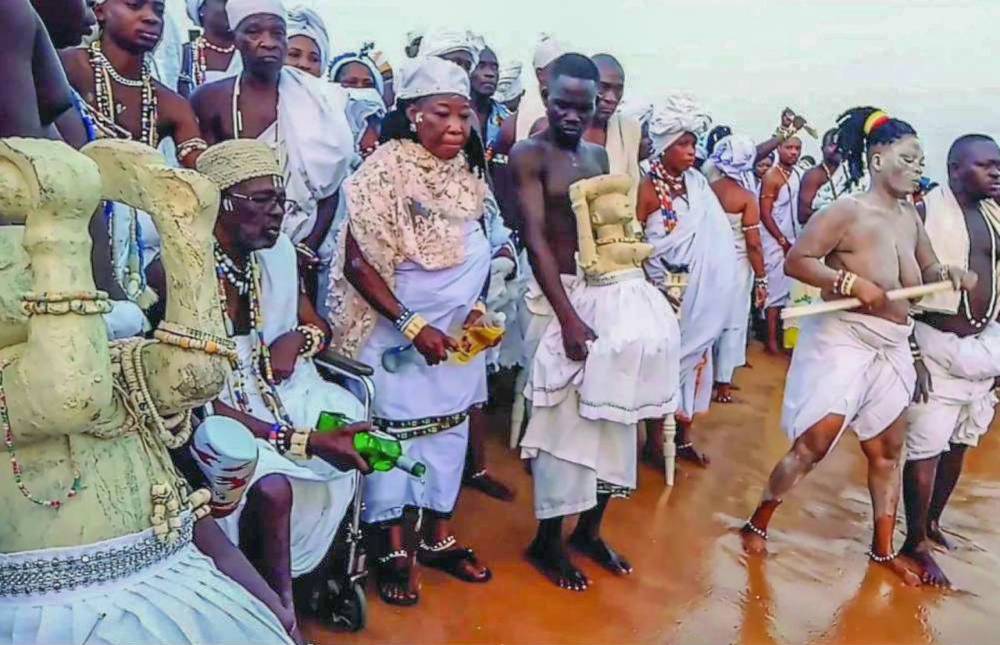
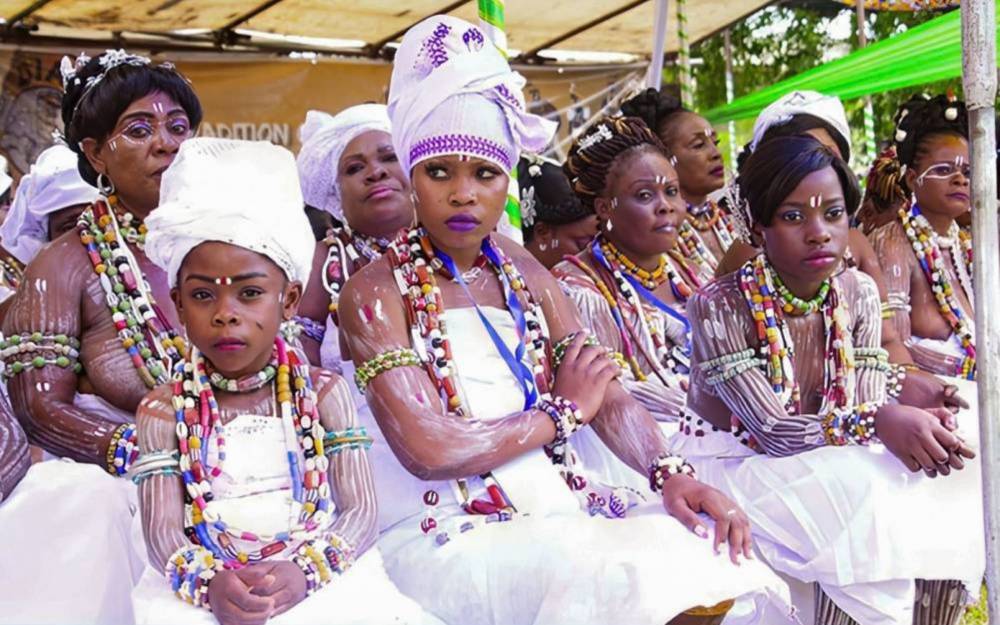
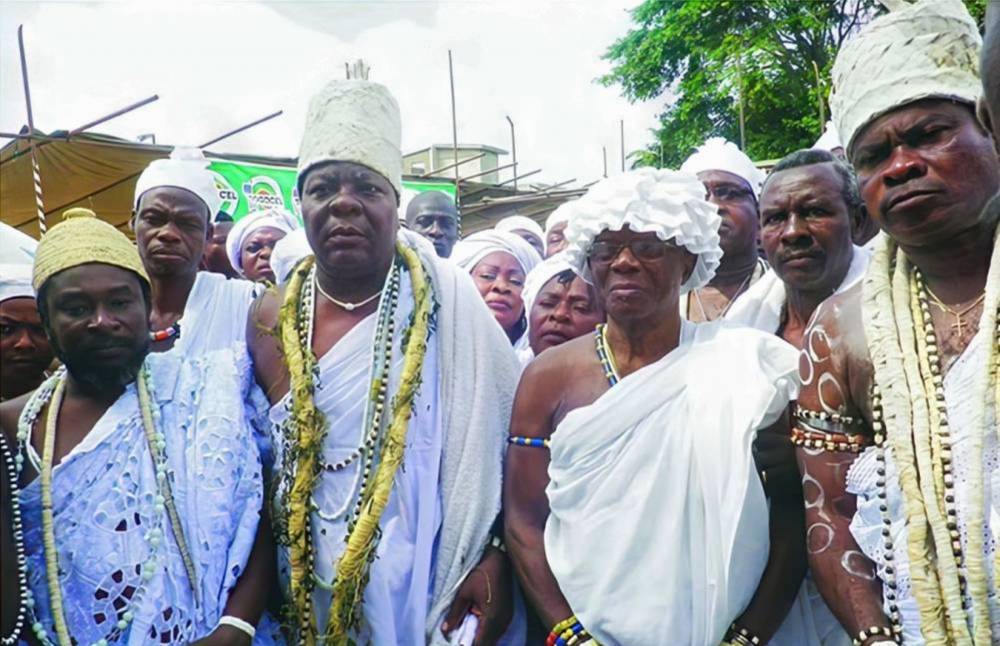
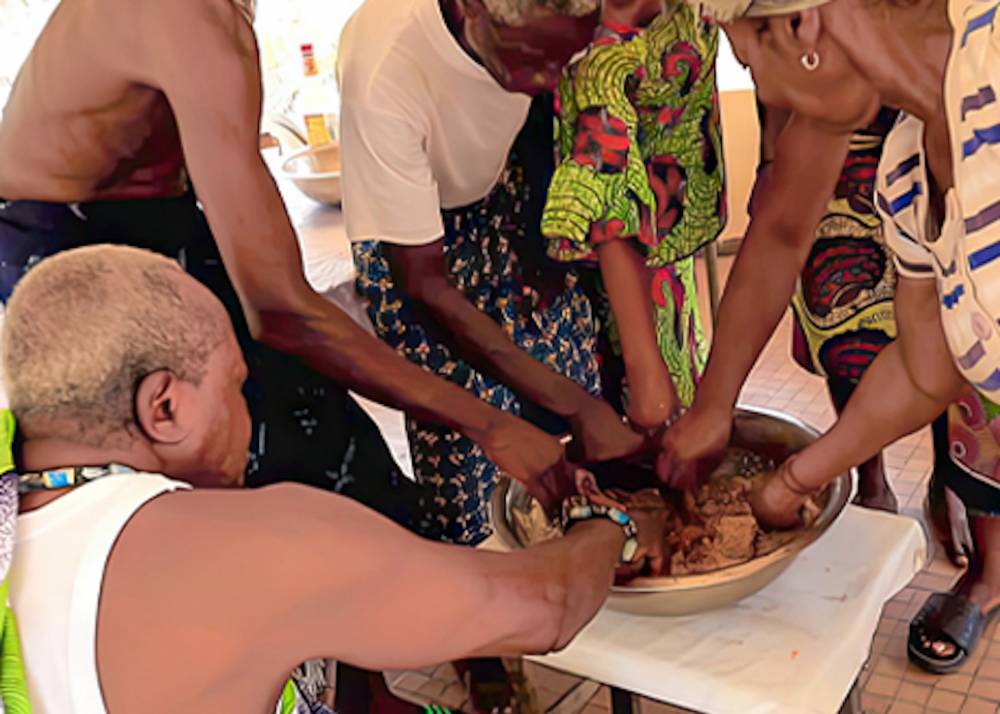
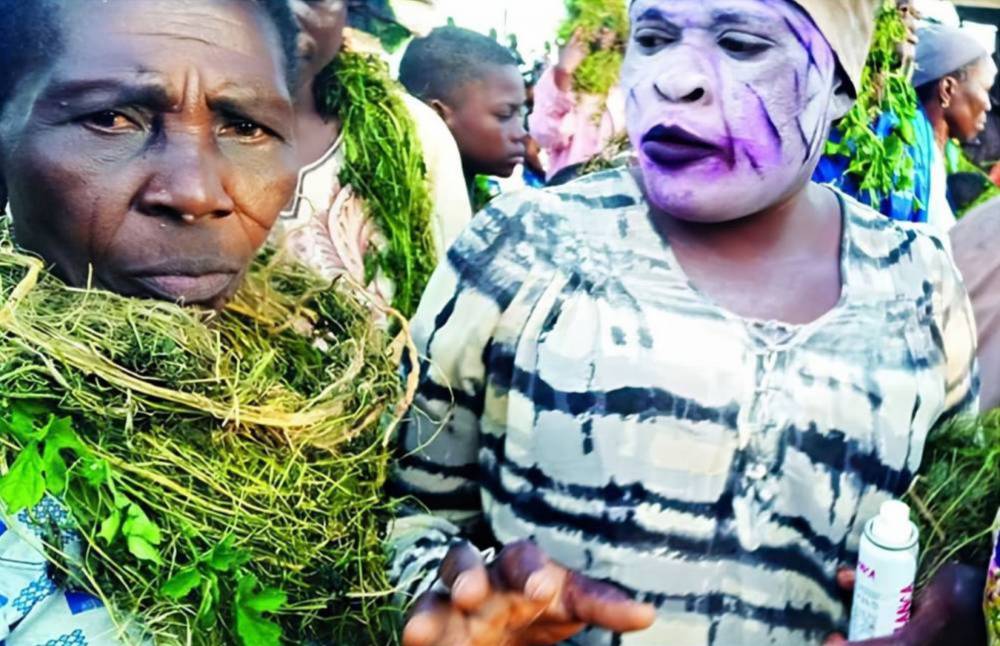
The rites of the New Year are a series of around twenty rituals practised annually by the Guin People of southern Togo, over the course of seven months, to honour deities and ancestors. These rituals follow a lunar calendar and take place at the same times each year. The new year is marked by the most important rite, ‘Ekpéssosso’, which involves taking a sacred stone. Other key rituals include ‘Yêkê-Yêkê’, a communal meal, and ‘Kpanchonchon’, a lively parade where people paint their faces and bodies and perform expressive songs and speeches.
The rites are led by community leaders, including kings, district chiefs, priests and priestesses. A group of initiated women, known as ‘guin-yehuesi’, manage many ritual tasks and lead the ceremonies, while men are in charge of ensuring the physical and spiritual security of the sacred places. The related knowledge and skills — including the songs, prayers and traditions — are passed on through gestures, music and storytelling. Initiation takes place over three months in the secrecy of the shrines. Craftspeople also create colourful necklaces and other ceremonial items. These rites serve many social functions, including healing, recreation and the promotion of community well-being. They are deeply valued by practitioners as a key part of their cultural identity.