Inscribed in 2025 (20.COM) on the Representative List of the Intangible Cultural Heritage of Humanity
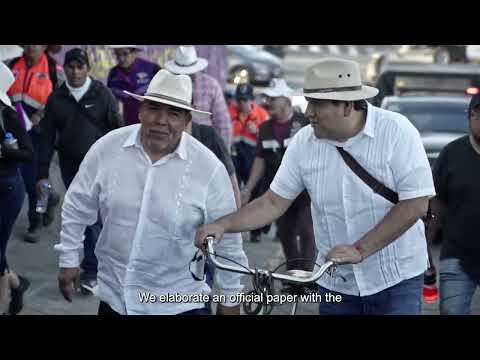
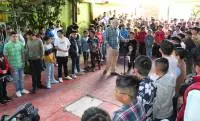
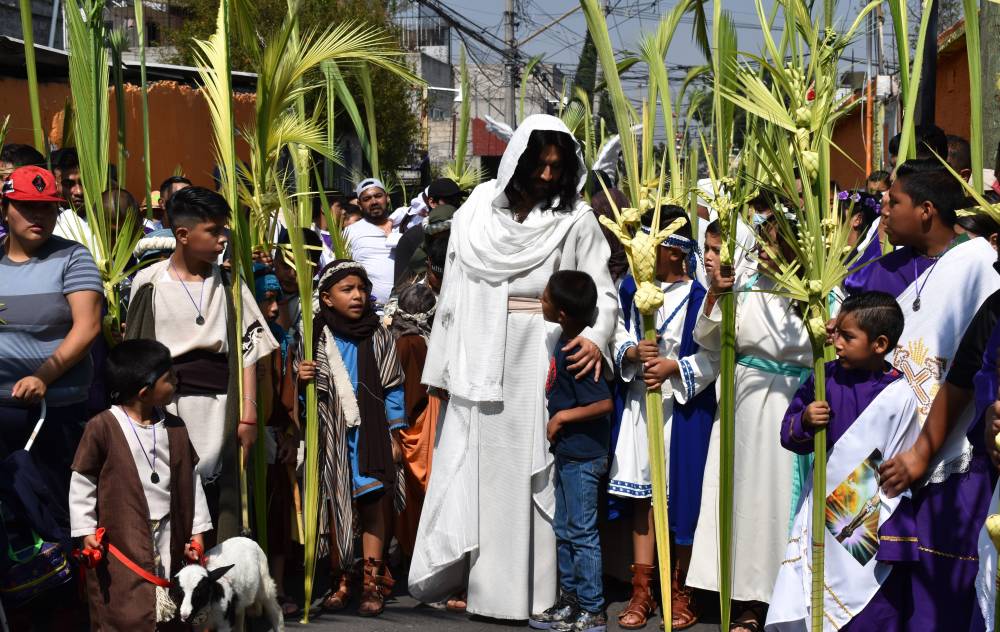
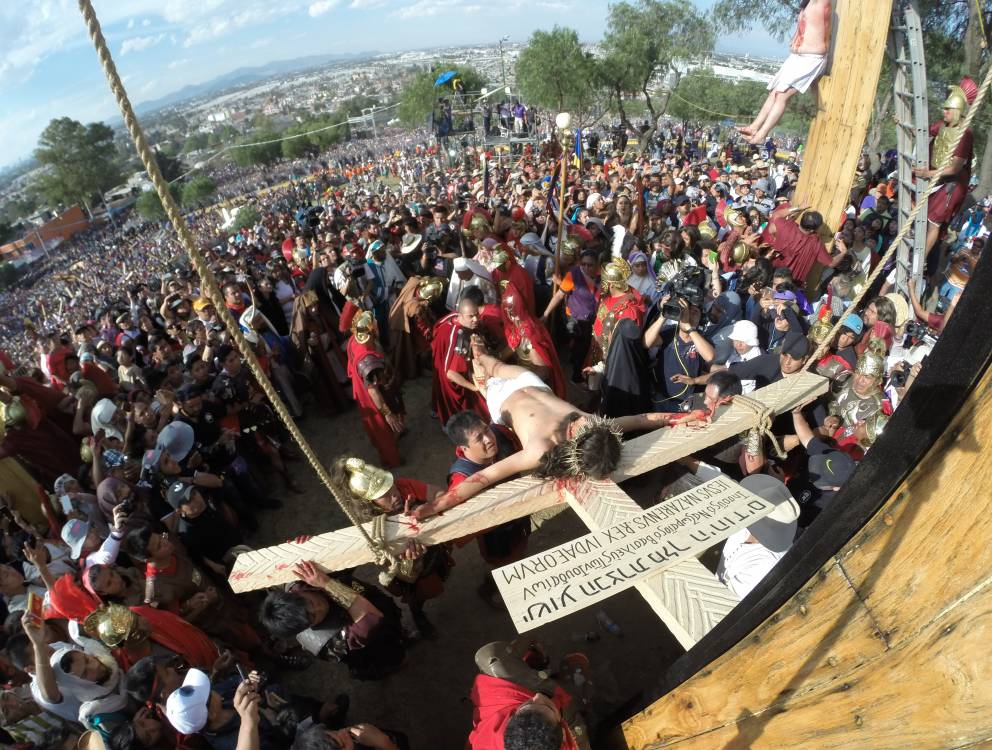
The Representation of the Passion, Death and Resurrection of Christ in Iztapalapa is a community tradition that brings together local residents in an expression of faith, identity and culture. It began when the community made a promise to hold a procession in gratitude after surviving a cholera epidemic in the nineteenth century. The representation has evolved over time into a significant cultural event that now attracts millions of visitors each year. The celebration begins with community preparations in December, followed by rehearsals and logistical work leading up to the Catholic Holy Week.
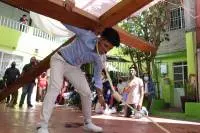
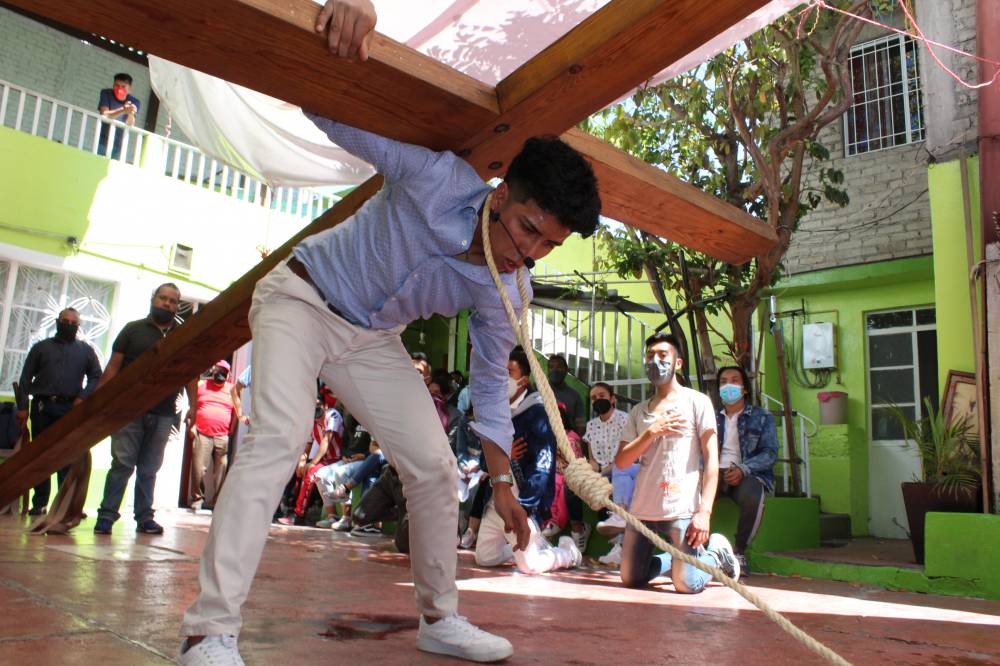
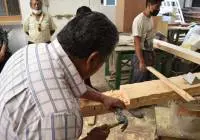
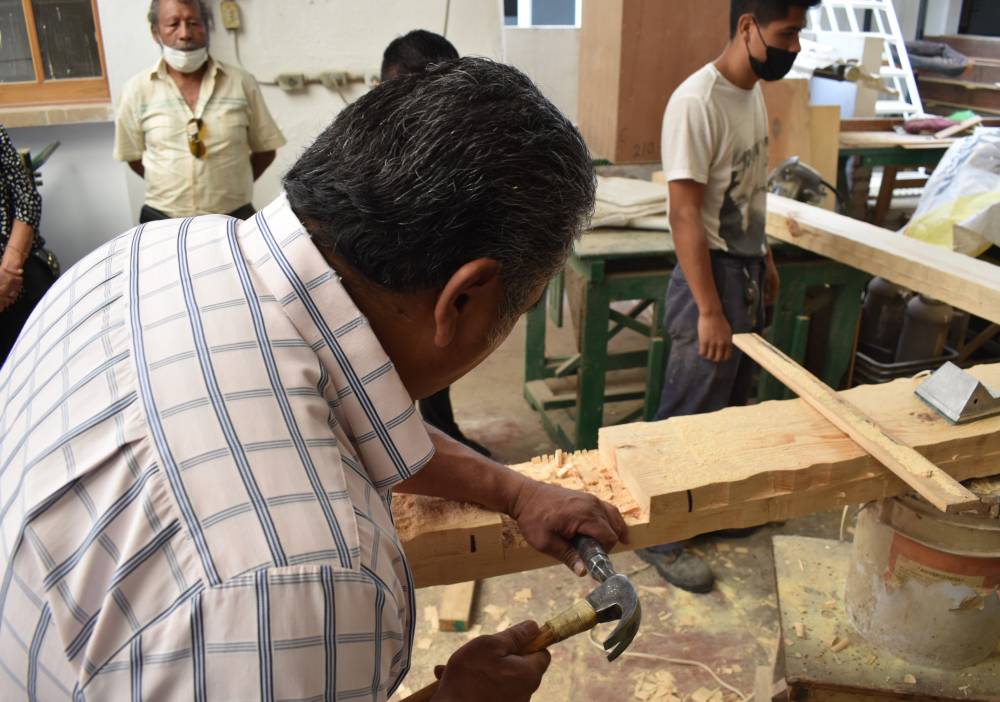
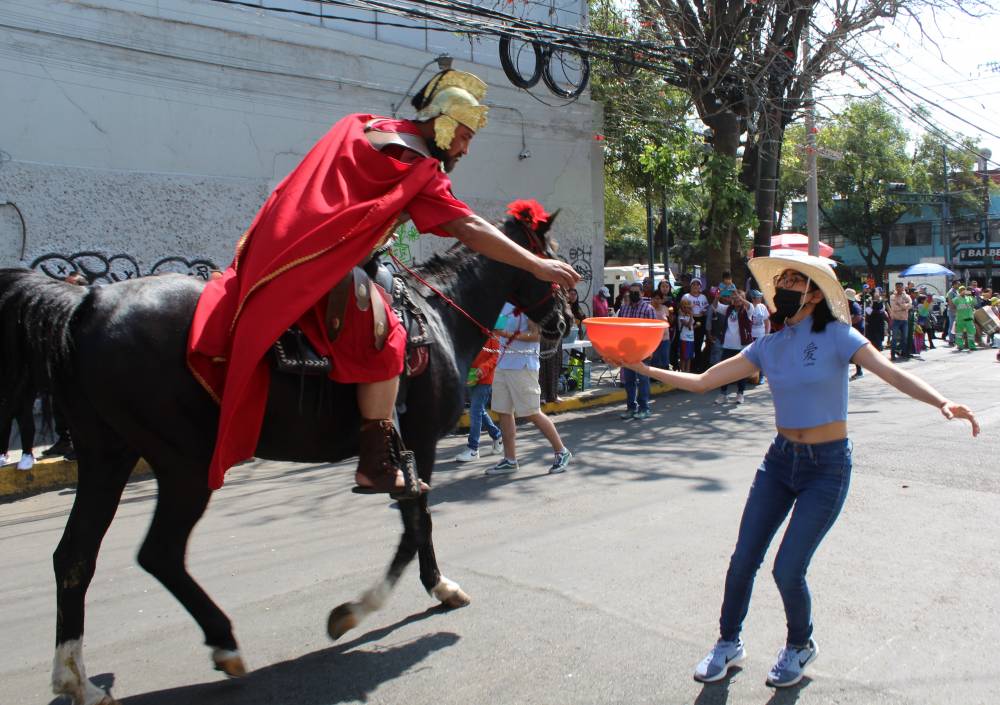
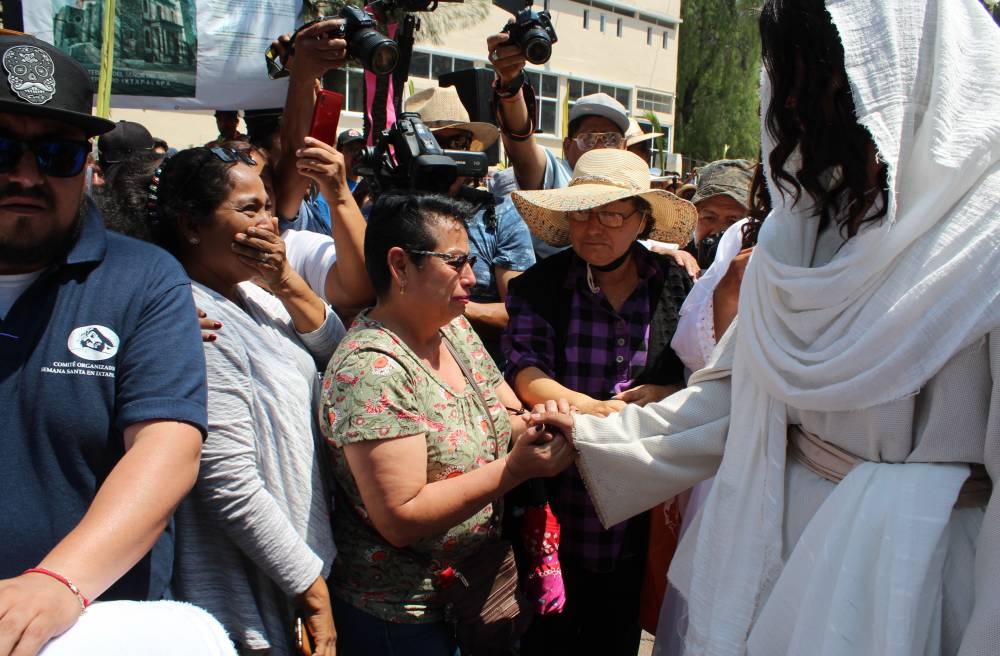
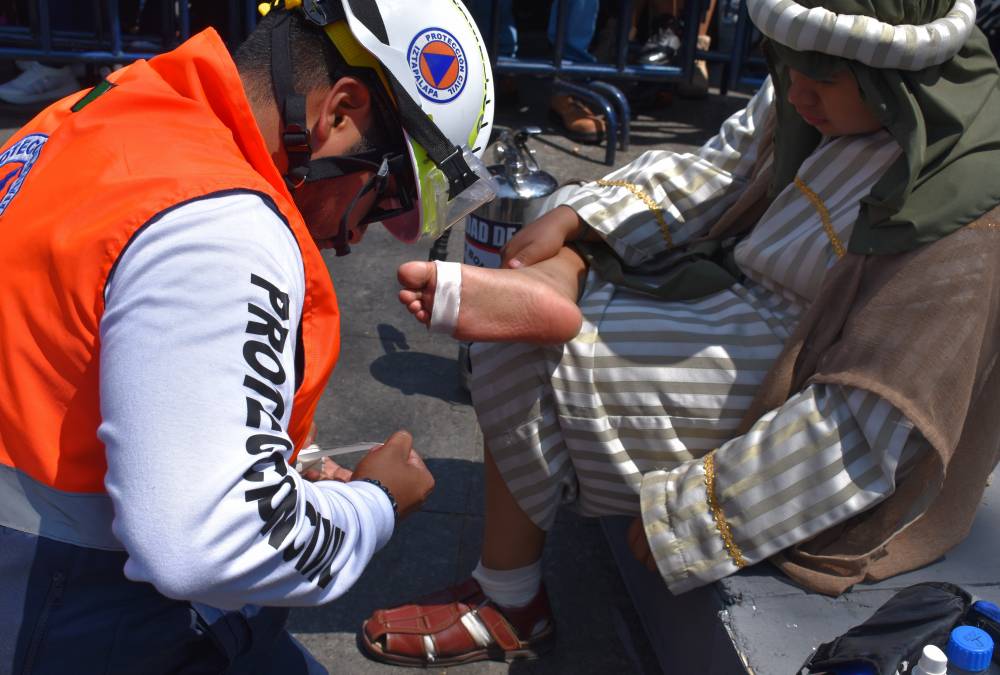
During Holy Week, the bearers perform biblical passages, and the event concludes on 3 May with a cross-blessing ceremony. The central role in organizing the event is played by local residents, who participate in various ways, including as actors and facilitators and by contributing to the decorations. Other local entities, such as authorities, the Catholic Church and merchants, also support the practice. The tradition is transmitted both formally and informally, in particular through an organizing committee that facilitates intergenerational exchange. Beyond its religious roots, the element fosters community cohesion, promotes solidarity, and preserves cultural heritage through its link to traditional arts and crafts.