Inscribed in 2025 (20.COM) on the Representative List of the Intangible Cultural Heritage of Humanity
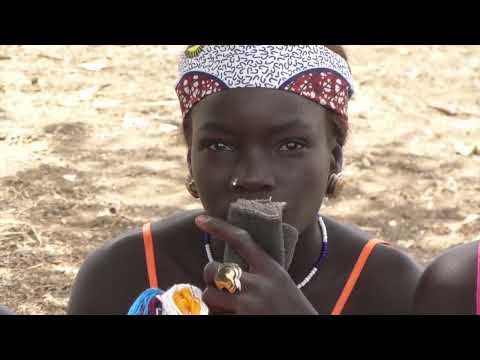
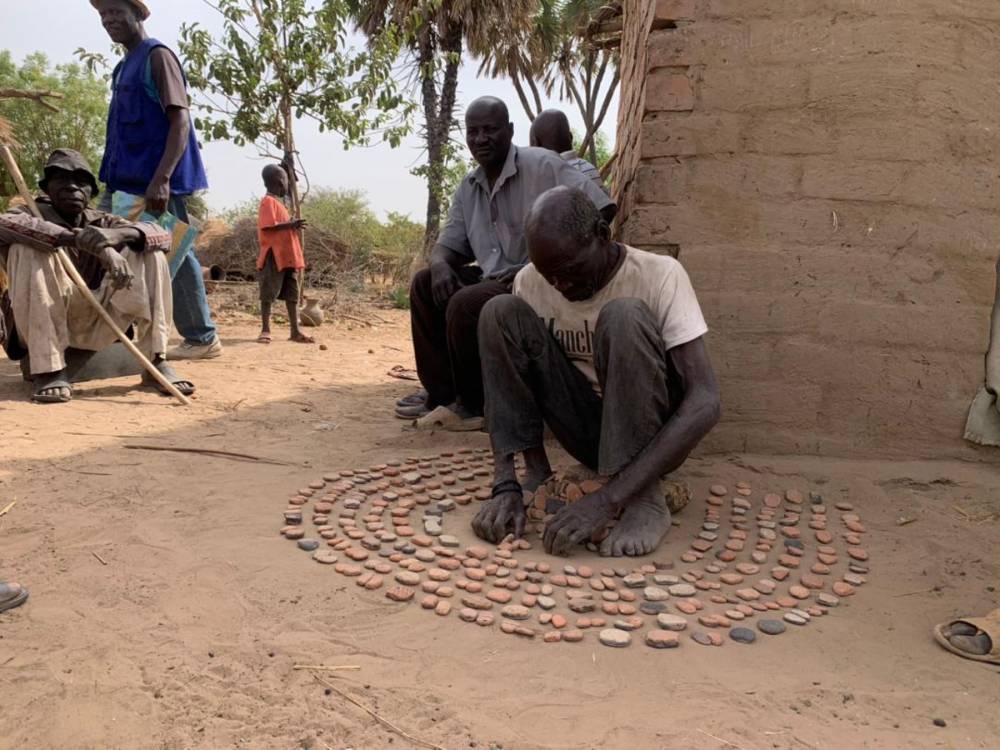
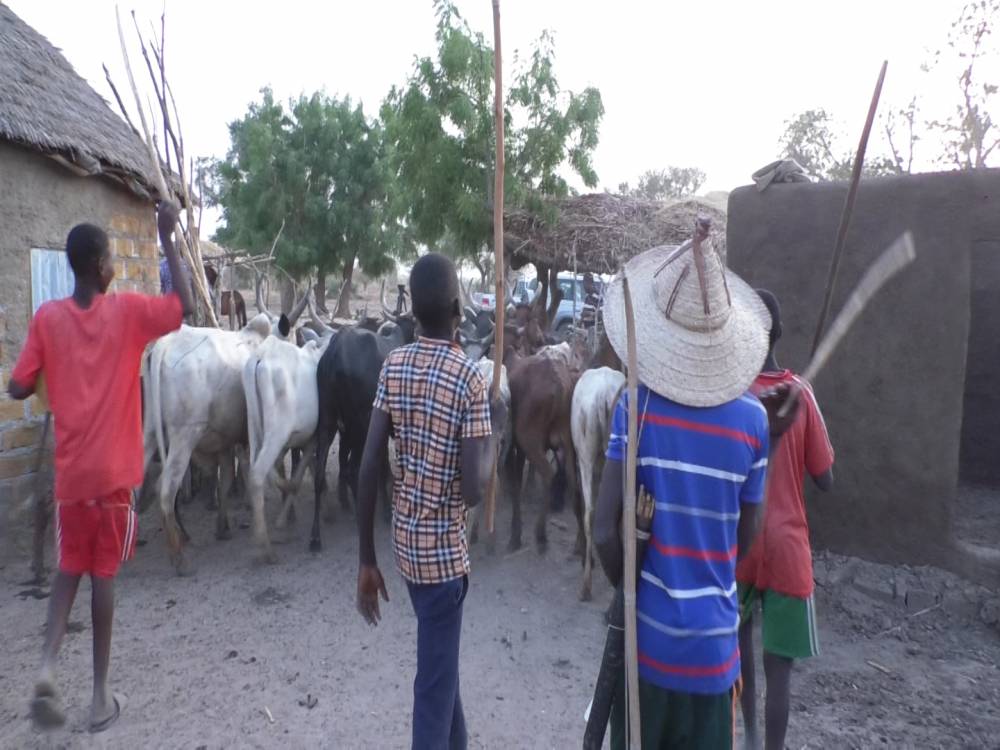
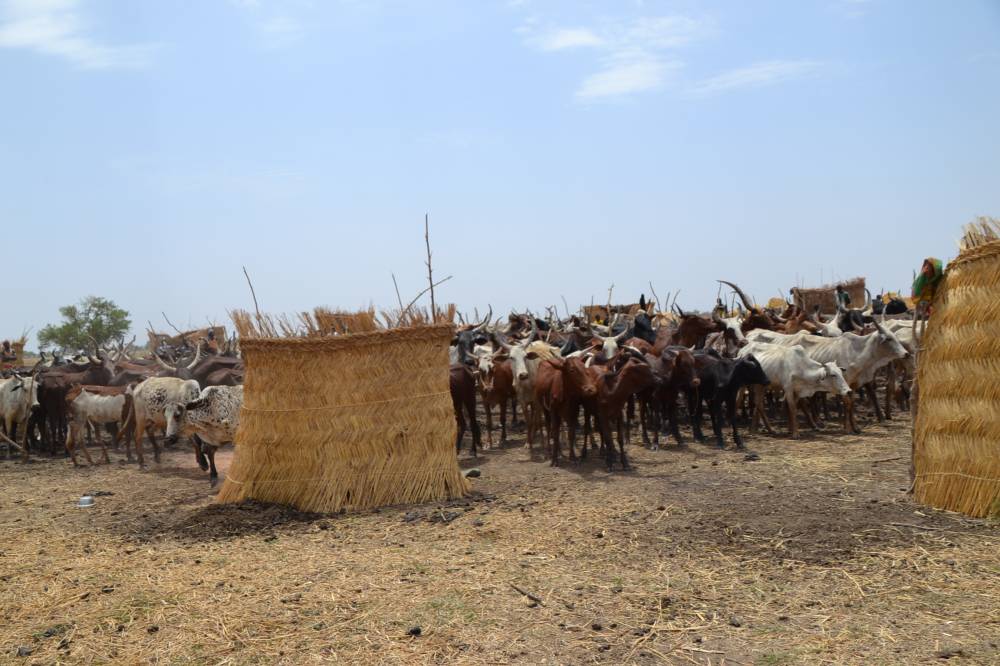
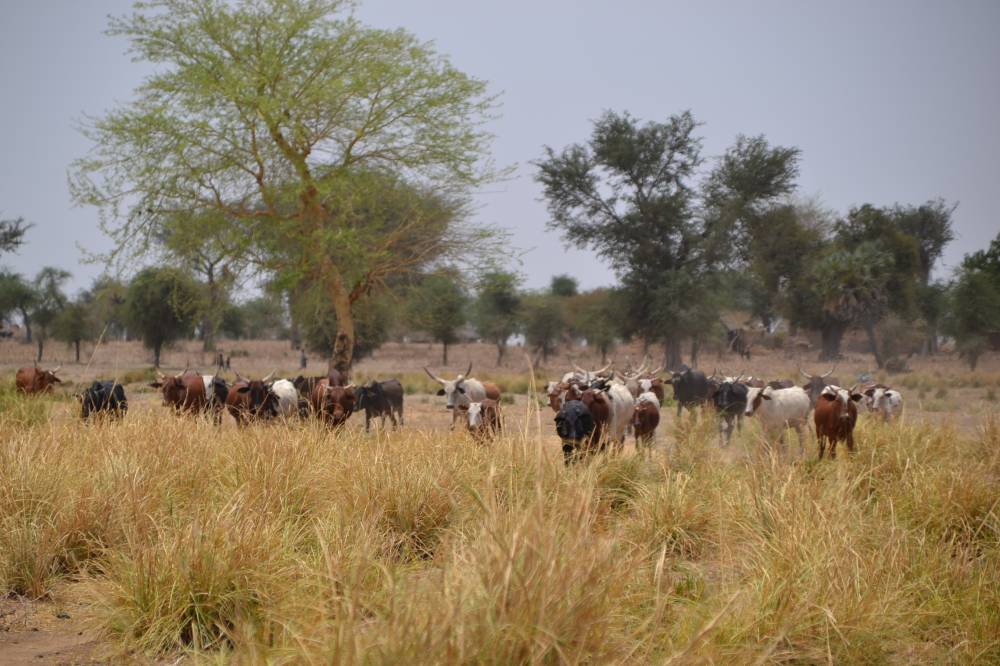
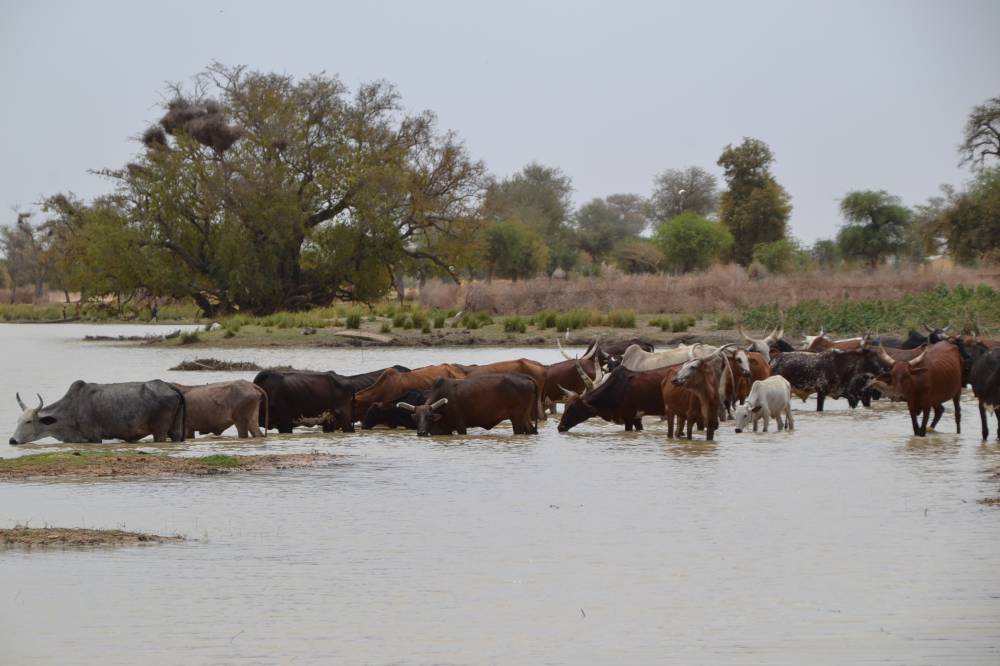
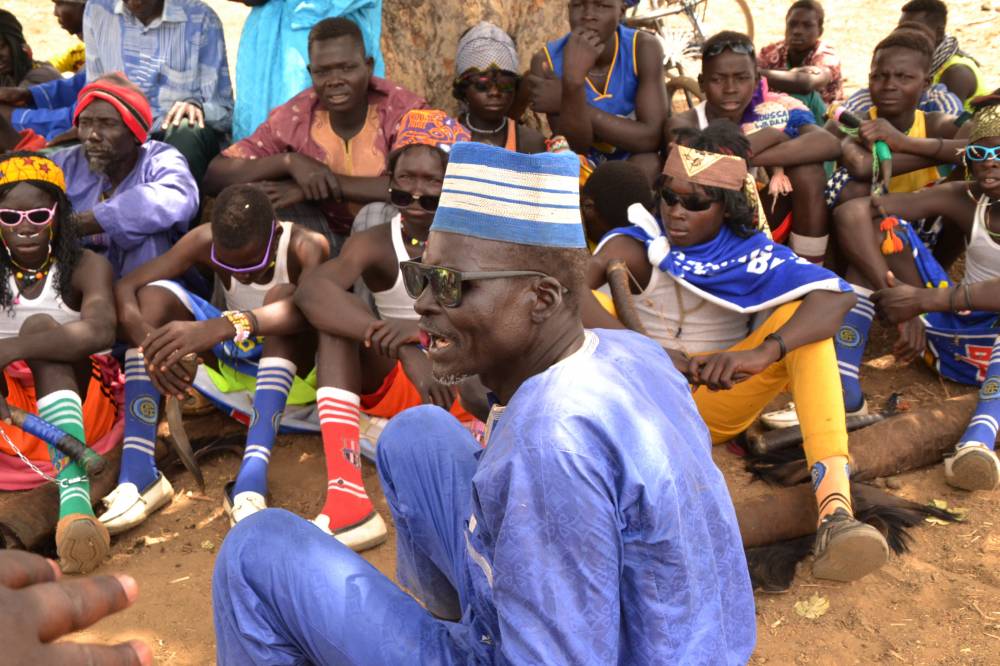
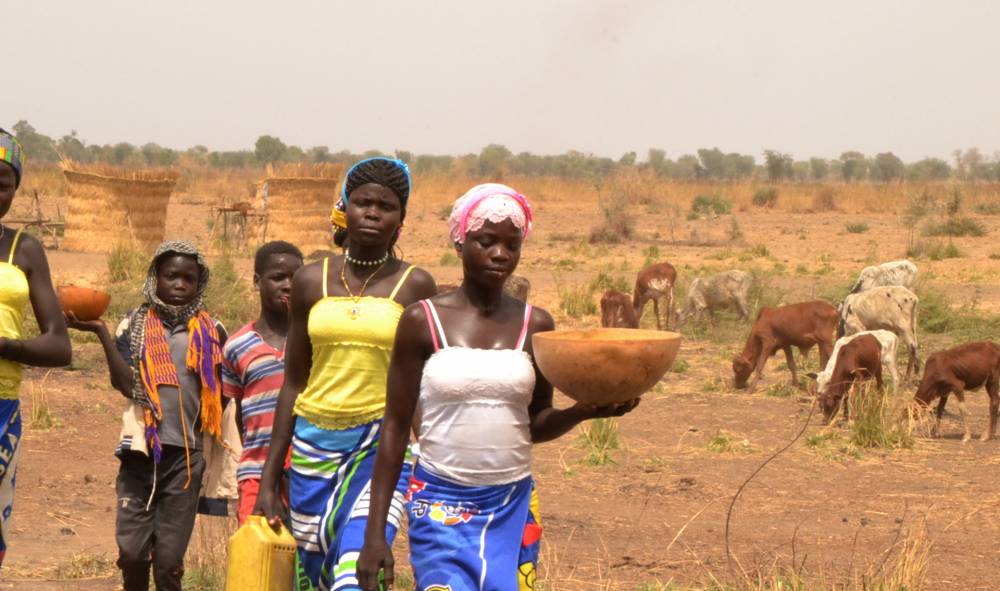
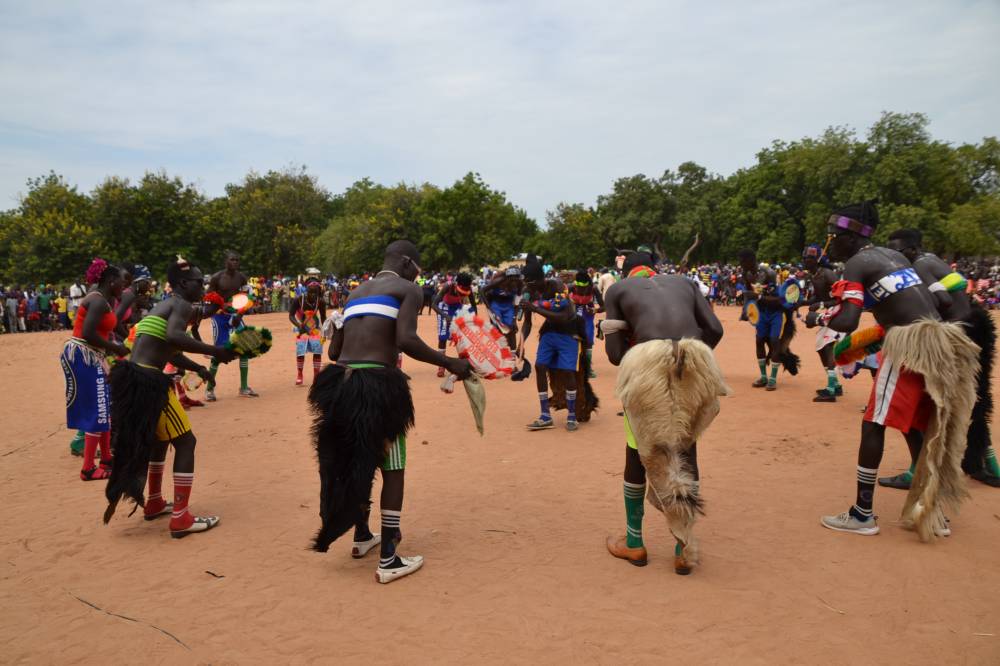
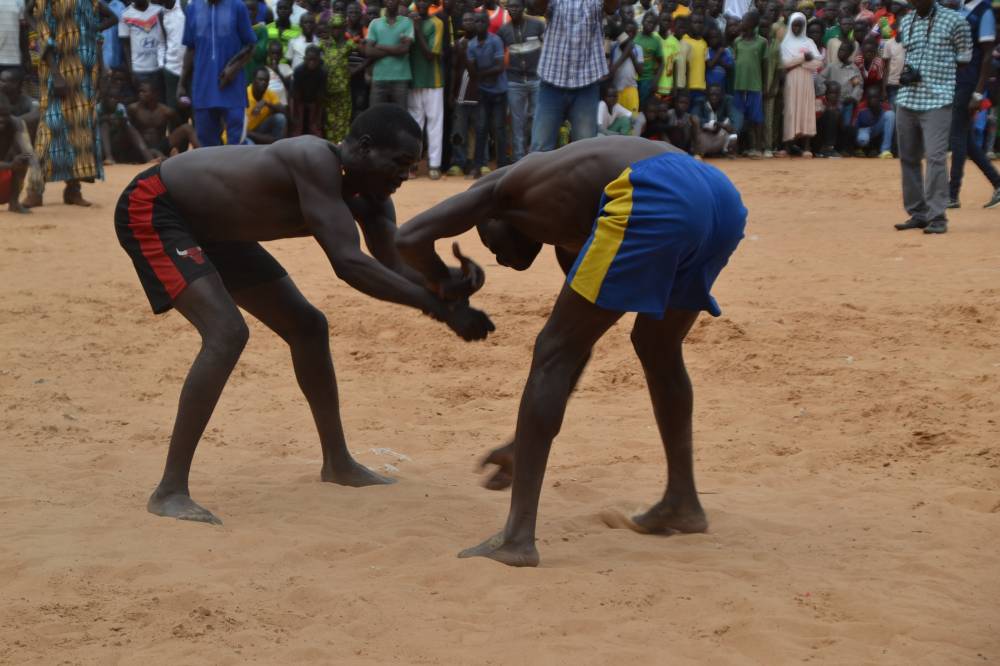
Guruna is a cultural retreat that acts as a school of life for members of the Massa community, located on both sides of the Logone River in Chad and Cameroon. The term refers to both the participants and the retreat itself, which takes place once a year. During this time, young boys and men move with their cattle to a camp located some distance from their homes. While girls do not stay overnight, they participate by helping with food and preparing decorations. During the retreat, young people are taught wrestling, music, dance, handicrafts and community history and values.
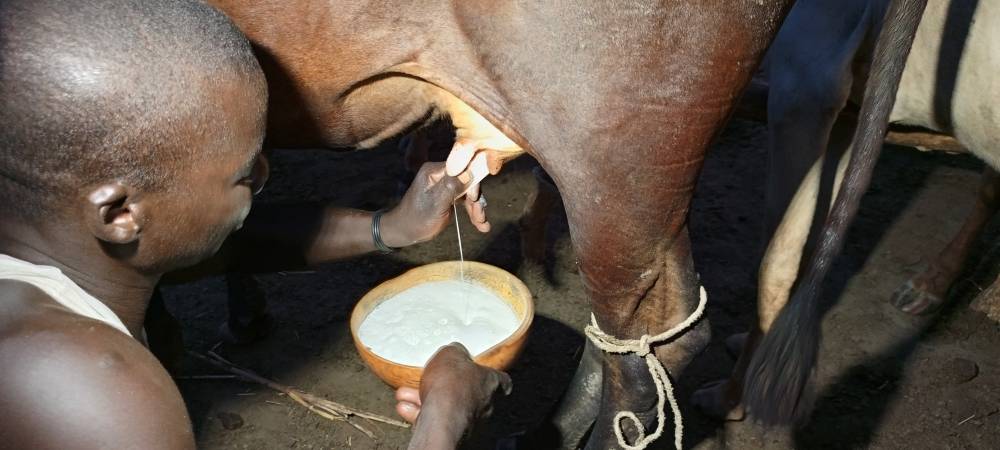
A particular focus is placed on traditional cattle breeding techniques and veterinary care as part of the symbiotic relationship between the practising communities and the cow. The group is also involved in ritual ceremonies and performances where they demonstrate what they have learned. The transmission of knowledge happens informally, through oral instruction, observation and imitation. Fathers, elders and Guruna masters guide the participants, while community leaders carry out important rituals to ensure the success of the retreat. Girls learn food preparation and craftmaking from older women. Guruna teaches respect for elders, teamwork, discipline and social norms. It also promotes artistic and physical development and community identity while helping young people grow into responsible and active members of society.