Inscribed in 2025 (20.COM) on the Representative List of the Intangible Cultural Heritage of Humanity
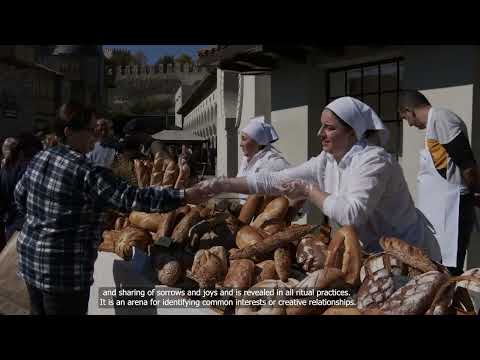
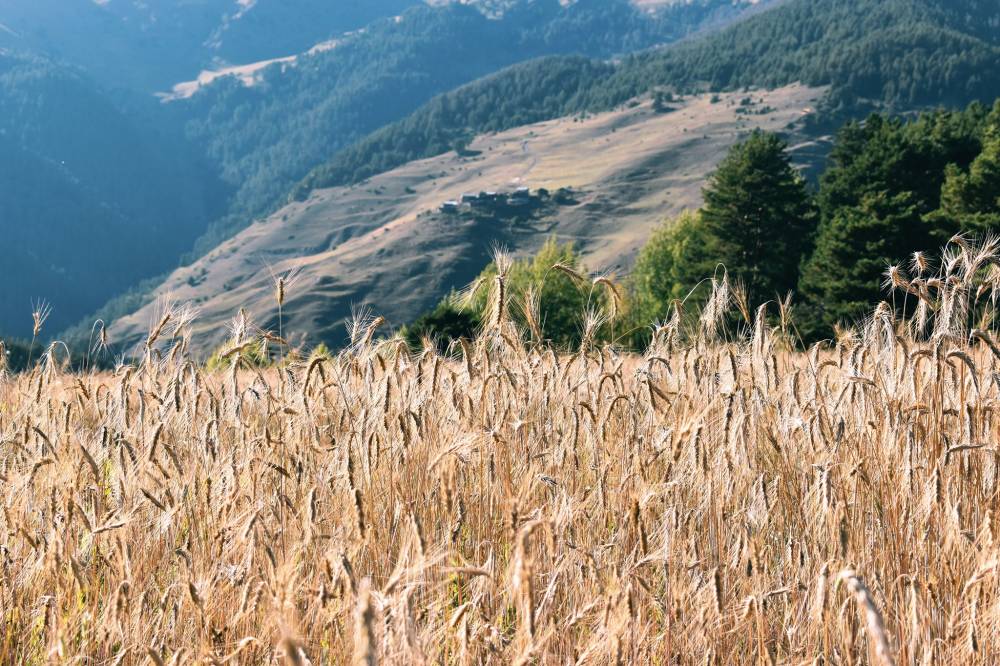
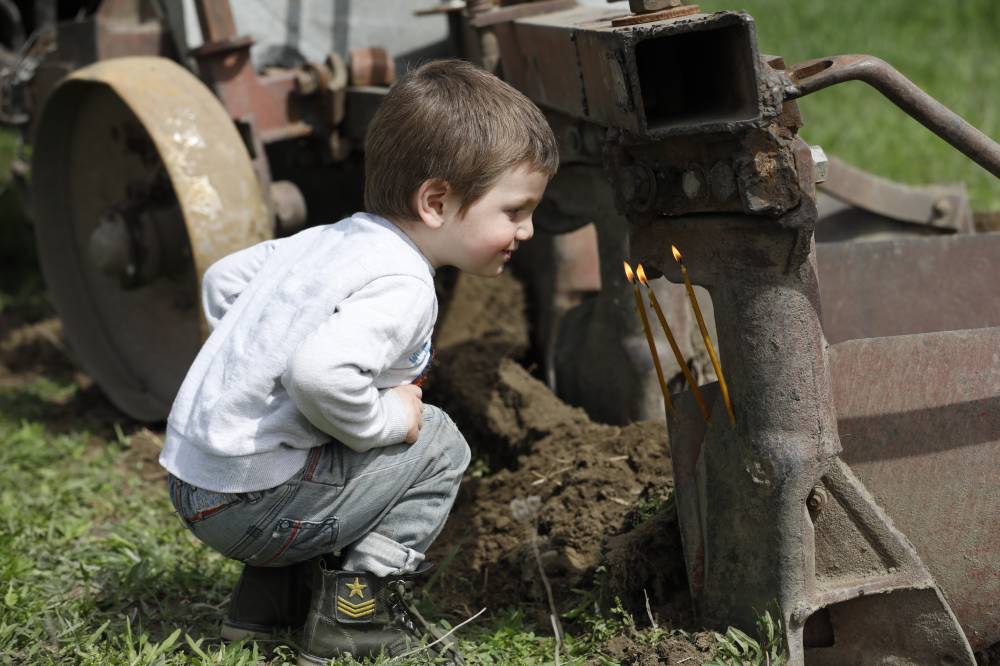
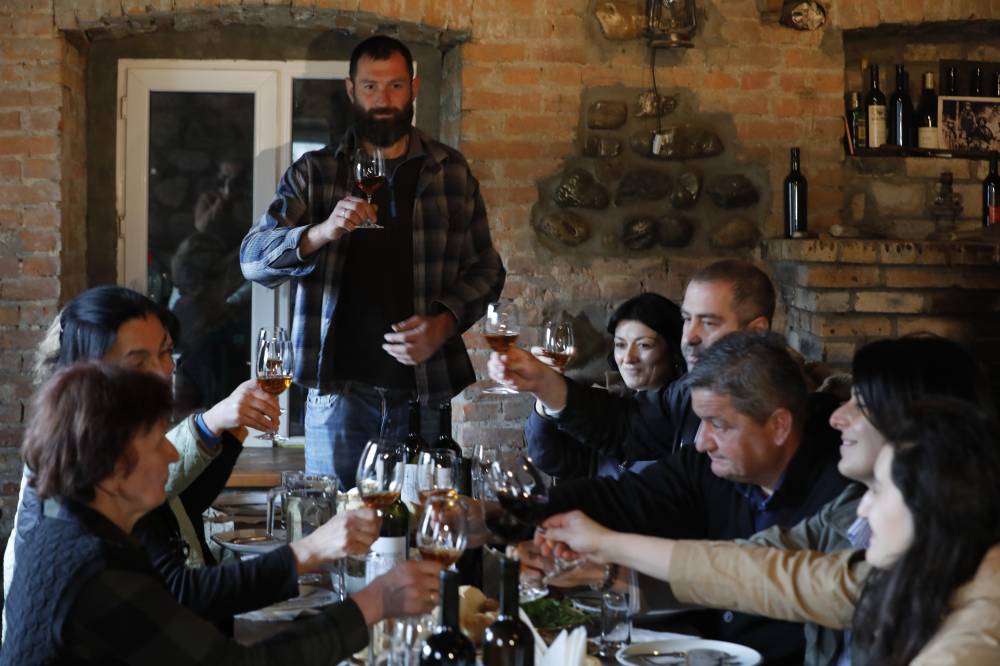
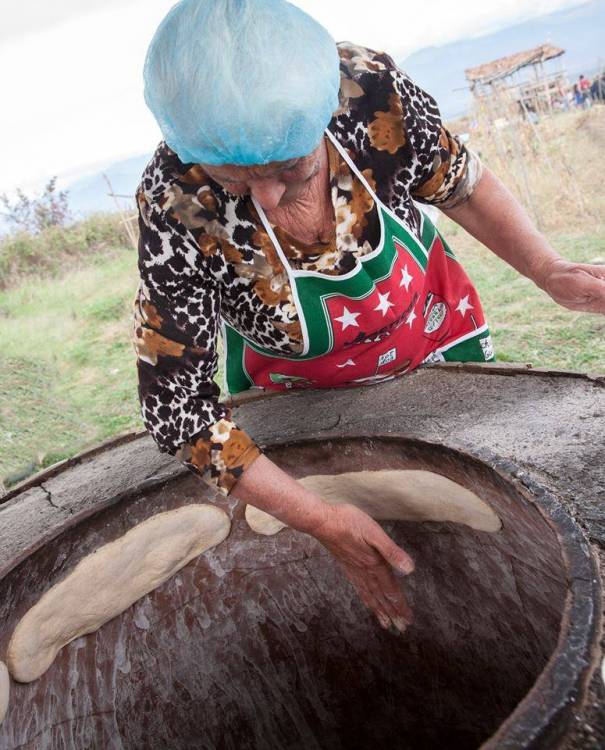
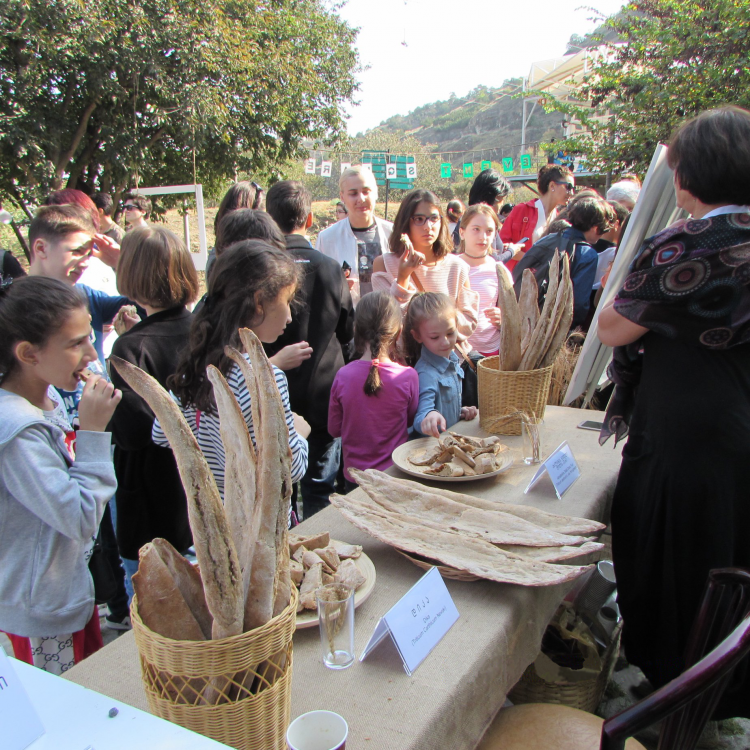
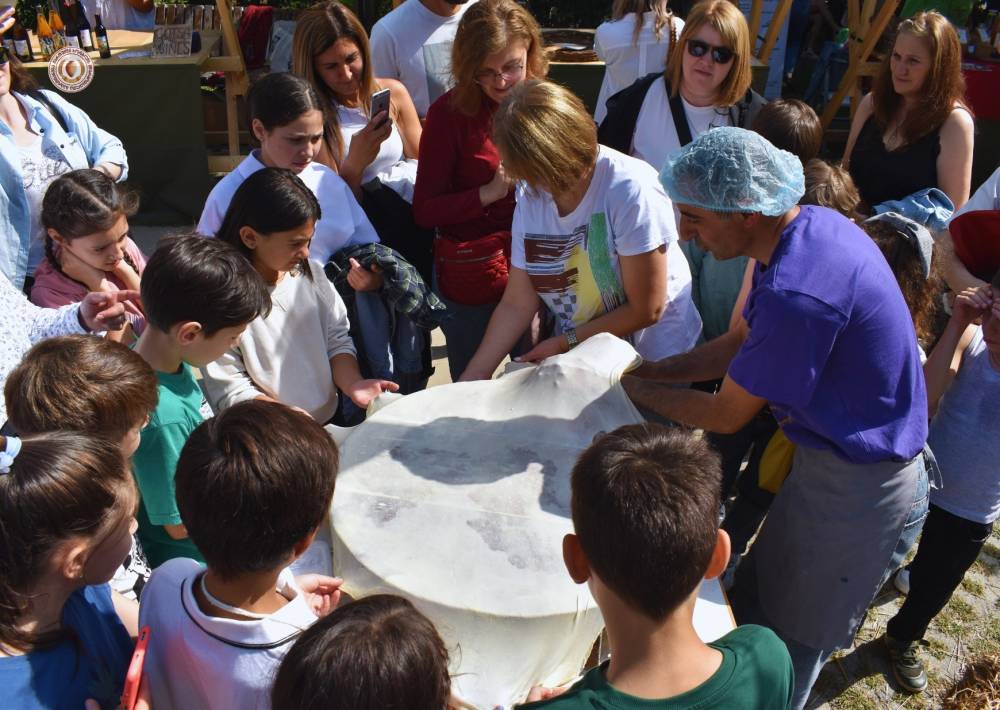
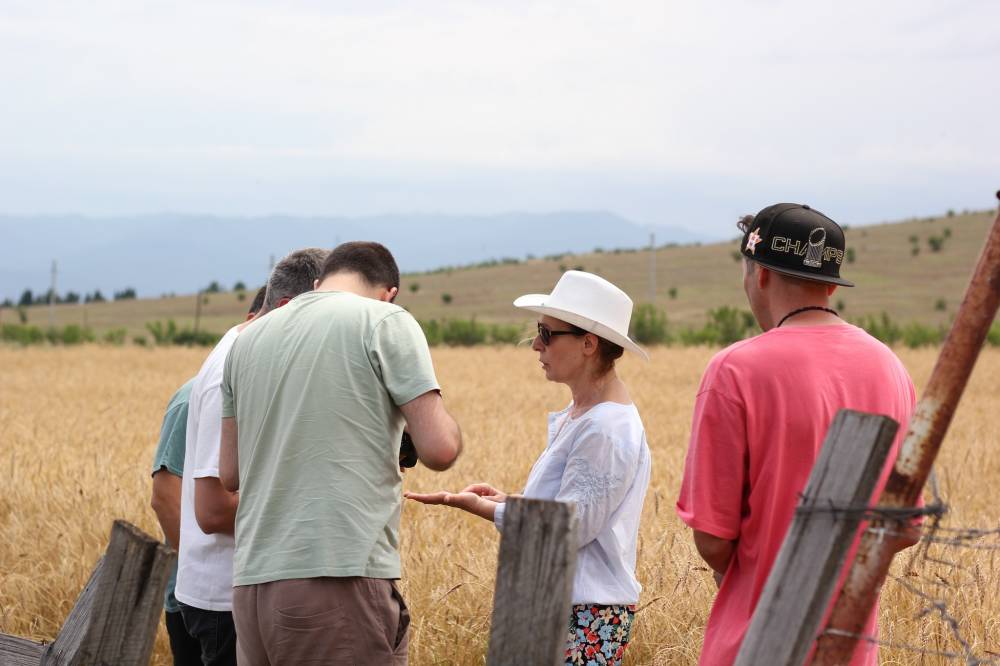
Georgian wheat culture involves a set of practices and rituals based on the cultivation and use of local varieties of endemic wheat. It also encompasses the use of related objects, such as traditional labour tools, stone mills and hand-made bread ovens. For the practising communities, endemic wheat is a symbol of life, growth and abundance. Families and communities follow specific customs for planting and harvesting, reserving the wheat for special occasions such as ritual meals and religious holidays. Key moments include the first ploughing during the spring or fall equinox and a community feast at harvest time, when people come together to celebrate with food, music and shared rituals.
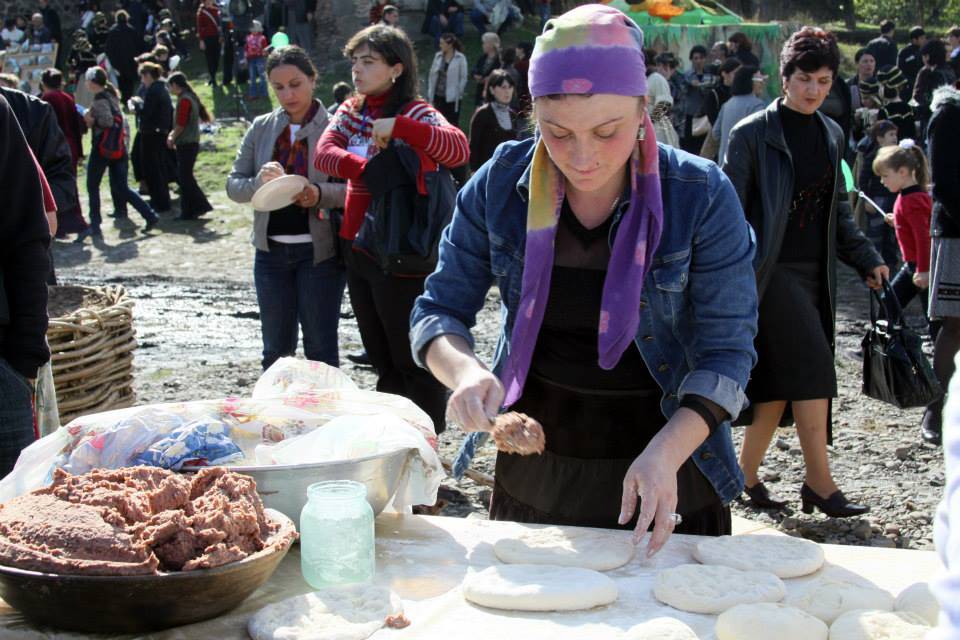
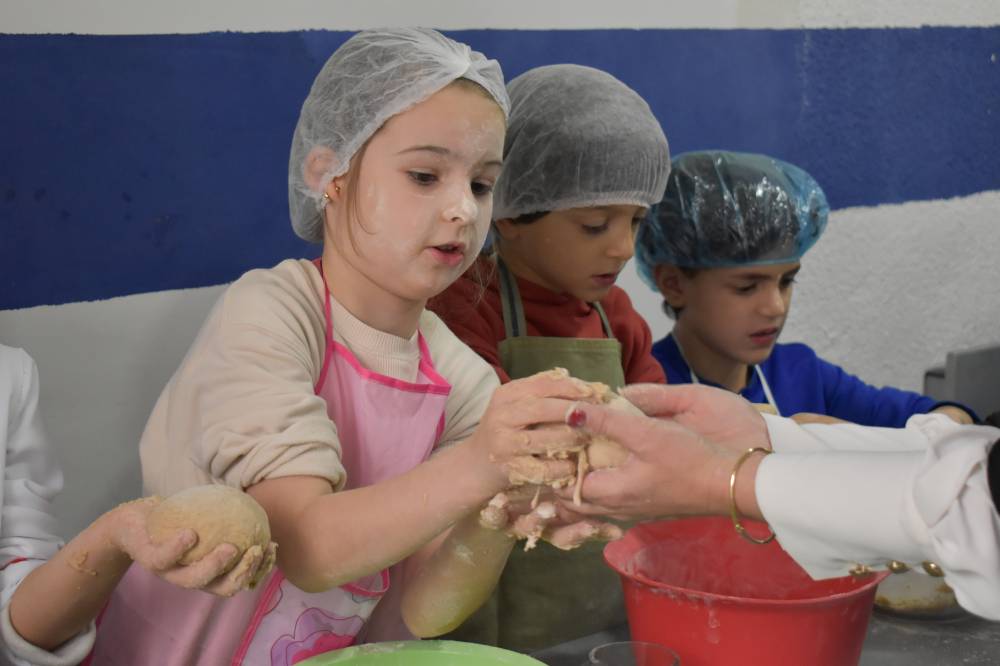
Wheat culture is a unifying factor that promotes cooperation, hospitality and respect. The tradition of baking and sharing ritual bread is ingrained in the cultural fabric of the community and remains a symbol of prosperity and fertility. Men usually manage the fieldwork while women care for the wheat stock and bake breads for ceremonies. The related knowledge and skills are passed on through hands-on participation during family and community events such as births, weddings and funerals. Educational and research organizations also help preserve local wheat varieties and share knowledge.