Cobza, traditional knowledge, skills and music
Inscribed in 2025 (20.COM) on the Representative List of the Intangible Cultural Heritage of Humanity

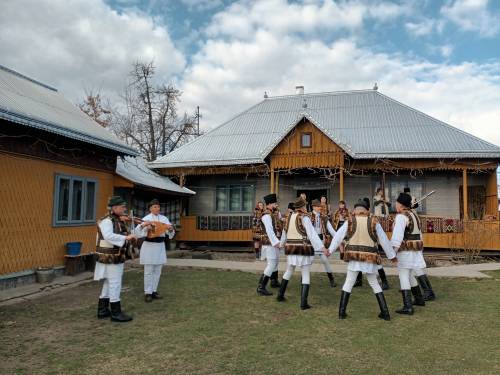
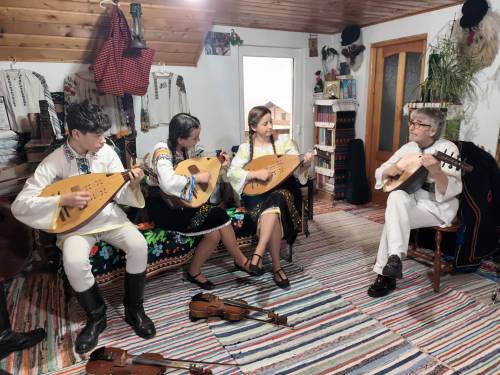
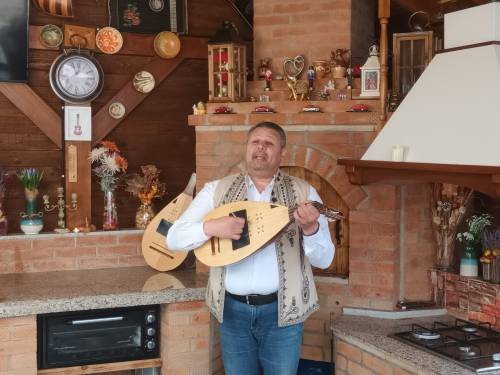
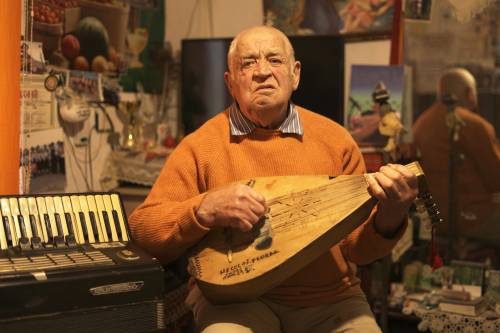
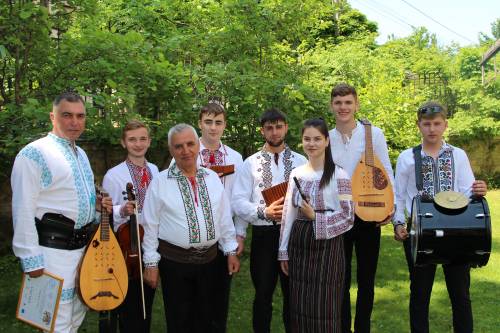
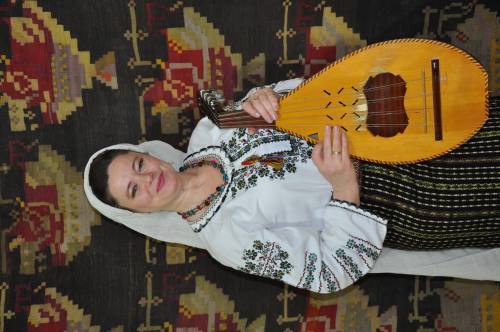
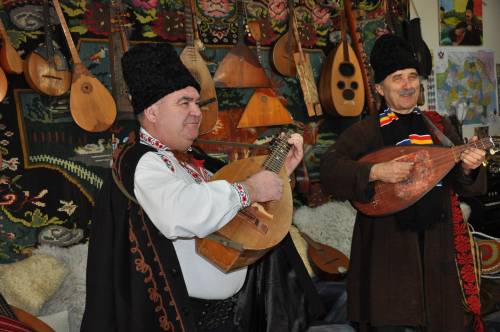
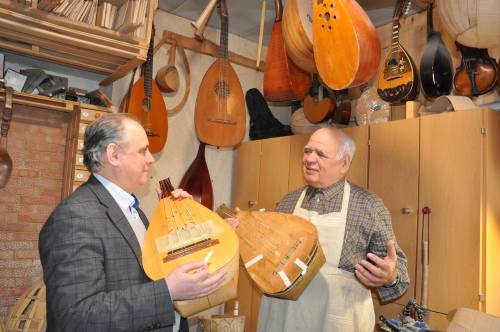
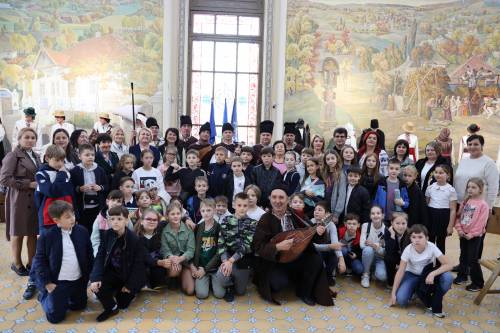
The cobza is a pear-shaped string instrument with a short neck and wooden body, traditionally used to provide rhythm and harmony in folk music. It can be played solo or in groups and is usually strummed with a folded goose feather. Though its design has changed slightly over time, such as with the recent use of metal strings, the instrument still maintains its traditional form, especially when it is crafted by local makers. The cobza is mostly used in rural communities, where it has long been part of social gatherings, dances and celebrations.
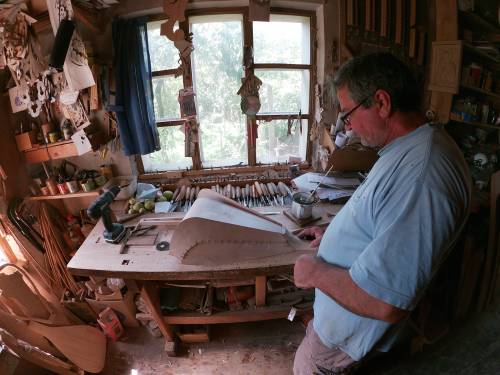
People who make and play the cobza come from different backgrounds, including various ethnic groups and urban and rural areas. Traditionally, the knowledge and skills related to playing and crafting the cobza were passed down informally, from masters to apprentices. Today, young musicians also study the cobza in arts schools and universities. Crafting the cobza requires years of hands-on experience and research into old instruments, often found in homes or museums. An important part of community life, the cobza contributes to the transmission of other traditions, such as dance, traditional attire and storytelling. Its continued use strengthens cultural identity and social bonds in the regions where it is played.