Inscribed in 2025 (20.COM) on the Representative List of the Intangible Cultural Heritage of Humanity
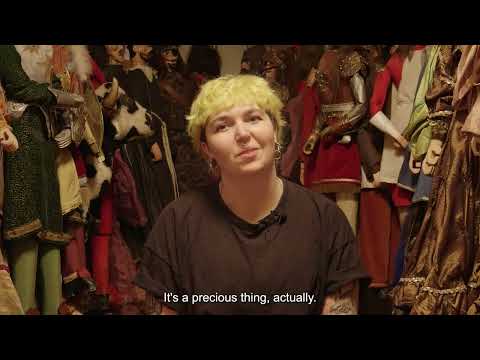
Rod puppetry is a traditional form of theatre inherited from traveling fairground theatres in Europe. The puppets are manipulated using metal rods attached to the head and body. These rods allow puppeteers to control the puppets’ movements. The practice requires the skilled teamwork of up to six puppeteers hidden behind a booth. The puppeteers follow the voice of a game leader, who plays all of the characters by varying their voice intonations. The plays, often comedic and improvised according to the audience’s reactions, are based on stories of chivalry, biblical scenes and popular nineteenth-century novels. The use of local language and references to regional culture help create a strong connection with the audience.
Gender roles in puppetry have become more balanced, and men and women now share various roles, from leaders to puppeteers and costume designers. There are currently about thirty practitioners of the tradition, many of whom were trained at a non-profit theatre that has been safeguarding the art. The practice is passed down within puppet theatres, where new apprentices learn the techniques of manipulation, voice and production. The performances unite people from all walks of life, promoting freedom of expression, tolerance and self-deprecating humour.


