Qatar Bahrain Iraq Jordan Kuwait Oman Saudi Arabia Syrian Arab Republic United Arab Emirates
Inscribed in 2025 (20.COM) on the Representative List of the Intangible Cultural Heritage of Humanity

Bisht is a traditional outer garment worn by men during special occasions such as births, weddings, funerals, ceremonies and festivals. The long garment, which is worn over regular clothes, is draped over the shoulders, wrapped across the chest and held on one side, leaving the right hand free for greetings. The style varies according to the region, season and time of day, and the garment is made from natural materials such as wool and camel or goat hair.
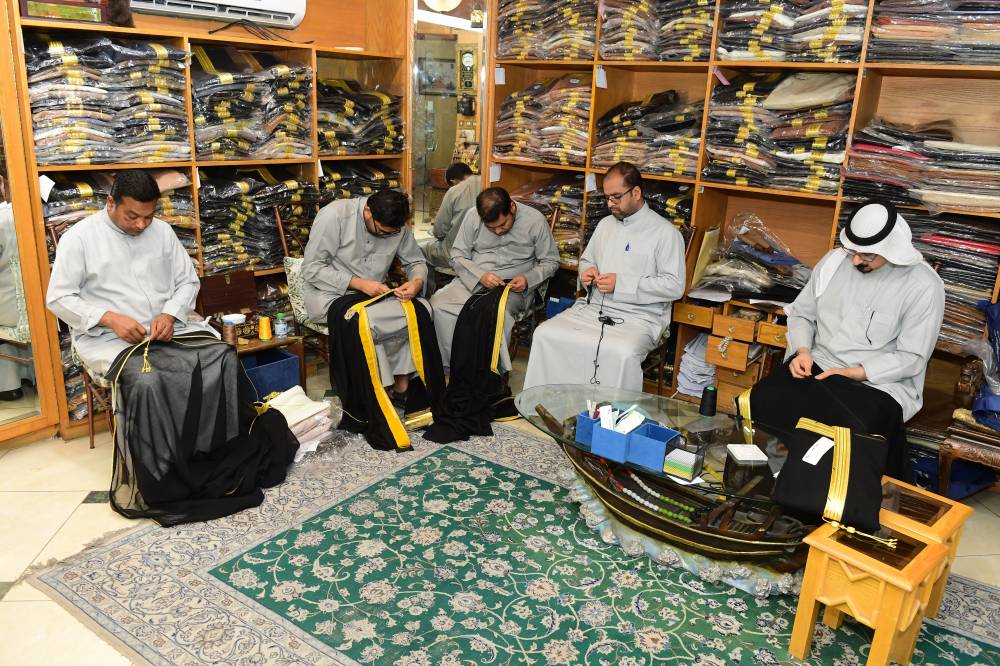
Skilled artisans, including men and women, participate in the production process, which involves spinning, dyeing, weaving and tailoring. The edges are carefully embroidered by hand around the neckline and halfway down the garment using fine silk or gold- and silver-coated threads. The knowledge and skills involved in making, wearing and preserving the Bisht are passed down both informally within families and workshops and formally through schools and institutes specializing in arts and traditional attire. The garment holds deep social and cultural meaning for the practising communities, and is perceived as a symbol of respect, protection and, in some cases, social status and leadership. It also connects people to their cultural identity while promoting social harmony and shared cultural heritage.