Inscribed in 2025 (20.COM) on the Representative List of the Intangible Cultural Heritage of Humanity
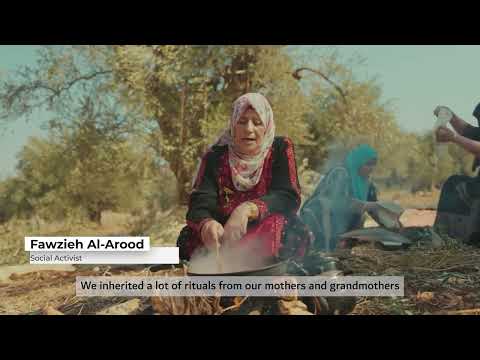
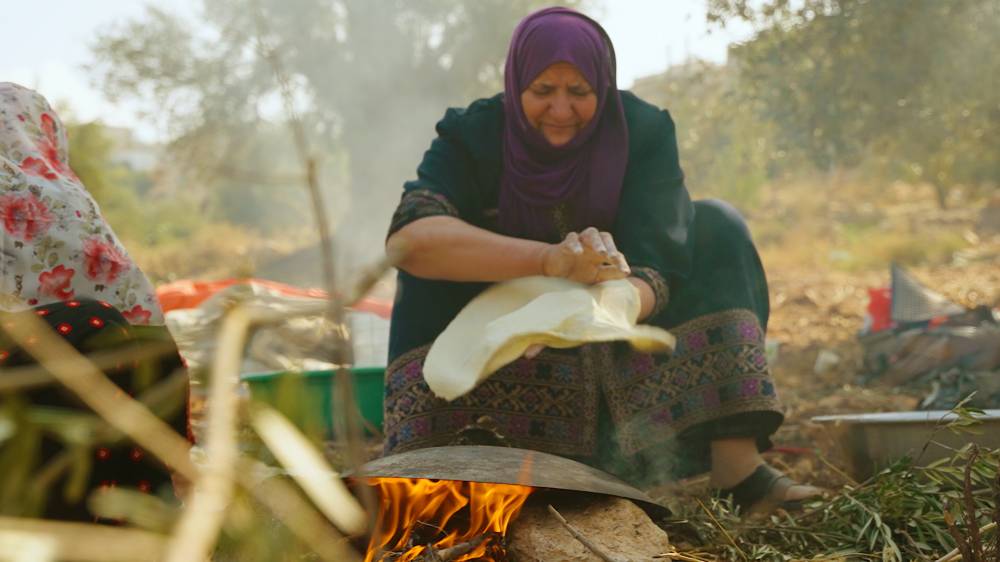
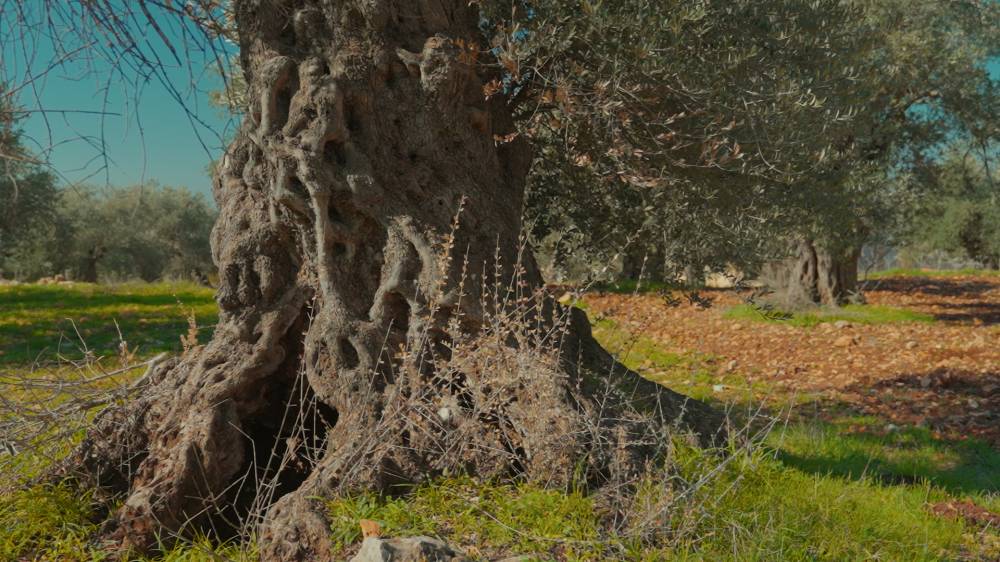
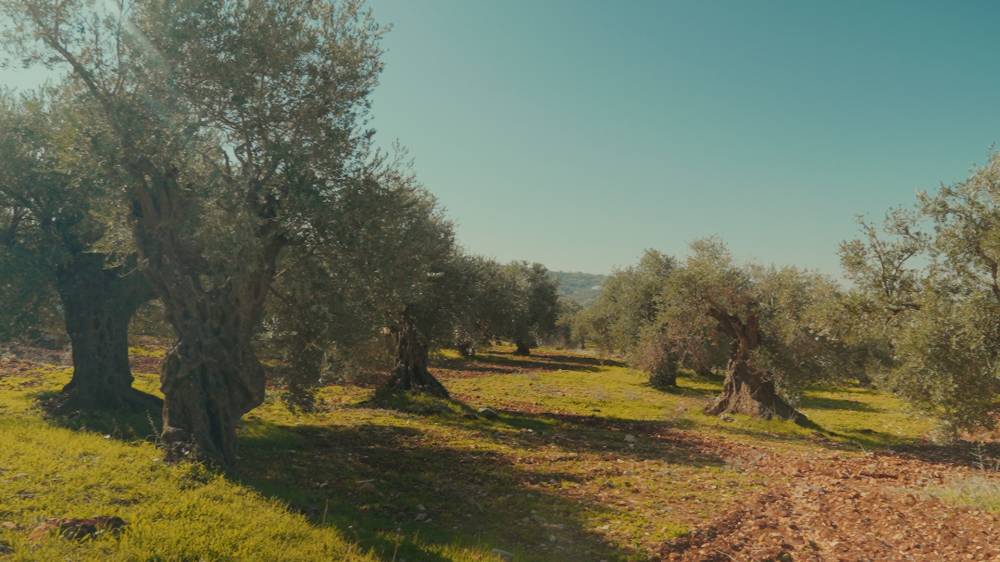
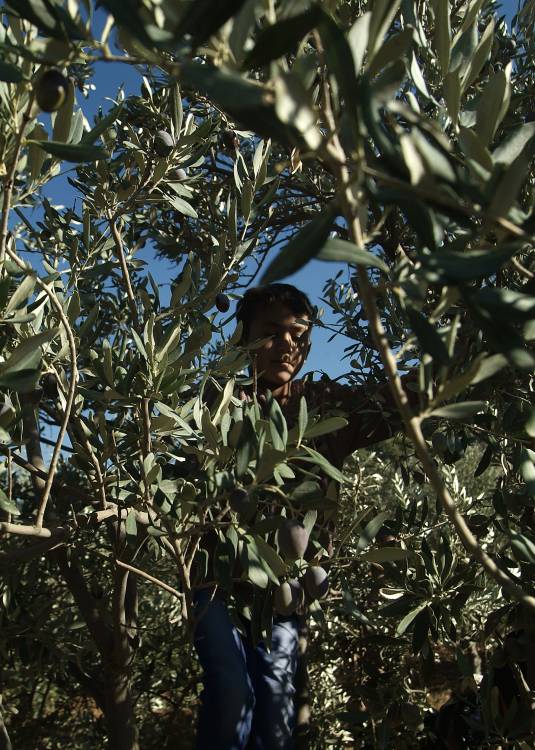
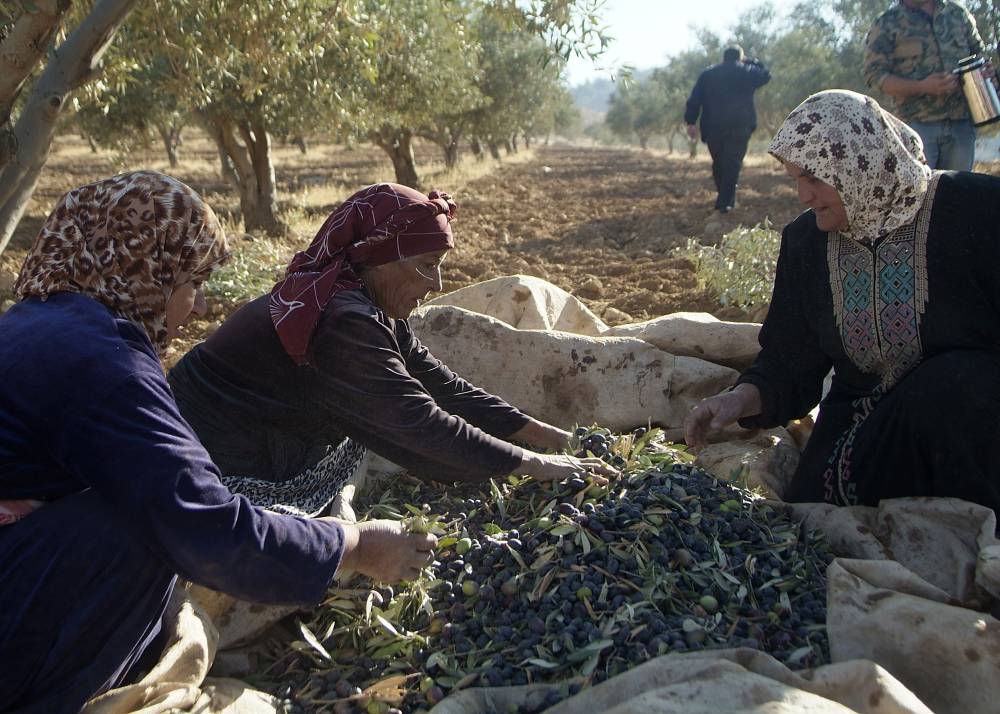
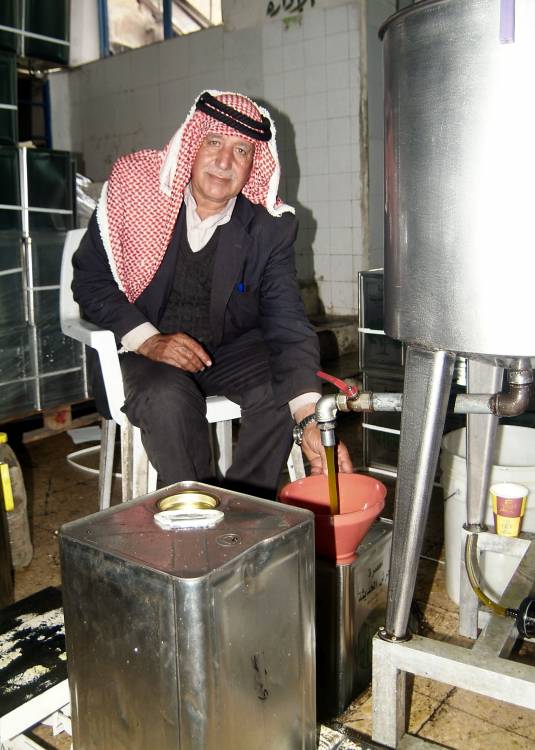
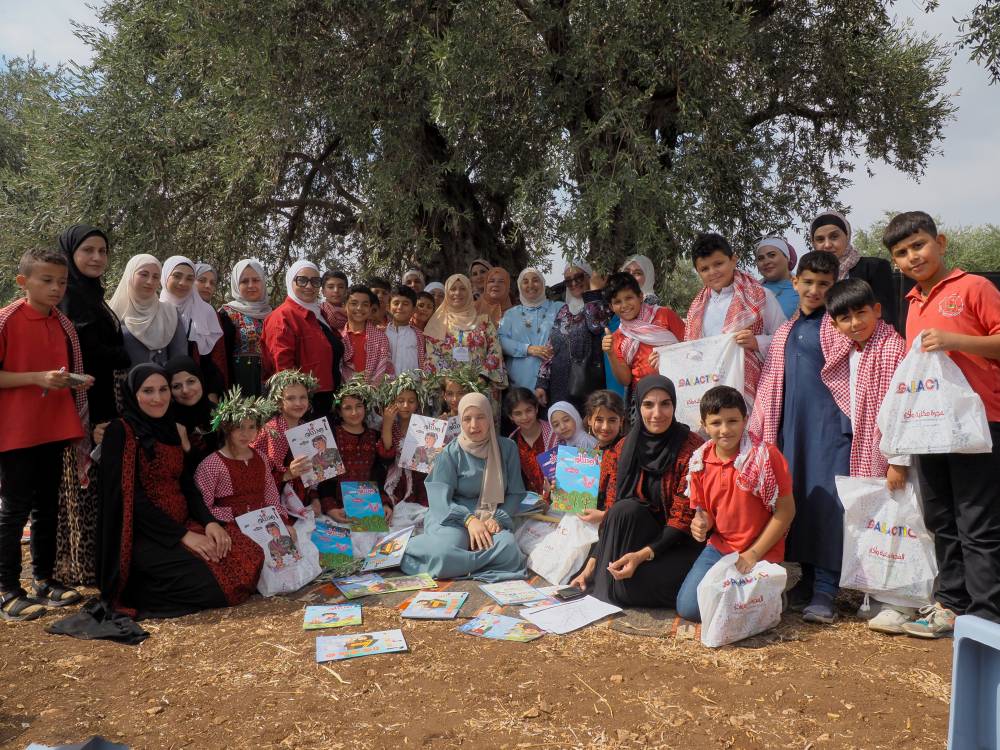
Al-Mihrass is a type of olive tree notable for its size and age. The care of these ancient trees including grafting, pruning, fertilizing and harvesting requires traditional knowledge and skills that have been passed down through generations. The olive harvest takes place between October and early November, with families and neighbours coming together to collect the fruit by hand and with rakes. The harvest is accompanied by social customs, songs and communal activities. After harvesting, farmers and their families tend to the trees year-round to maintain their health. Other practitioners include operators of traditional and modern olive oil presses, local craftspeople, and artists who celebrate the tree through their work.
Knowledge about the care and use of the olive tree is transmitted from elders to youth, often through hands-on learning and community workshops. To practising communities, Al-Mihrass trees and their harvest are central to community life, local economies and cultural identity. The trees, which symbolize peace, wisdom and eternity, serve as gathering places for families and communities, especially during the harvest season. They are also tied to rituals such as ‘al-wanih’, during which people come together to celebrate, share songs and give olive oil as gifts, solidarity, cooperation and social cohesion.