Venezuela (Bolivarian Republic of)
Inscribed in 2025 (20.COM) on the Representative List of the Intangible Cultural Heritage of Humanity
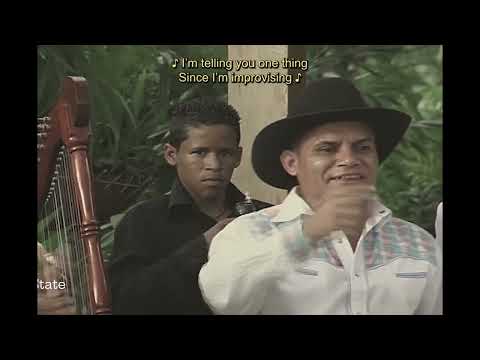
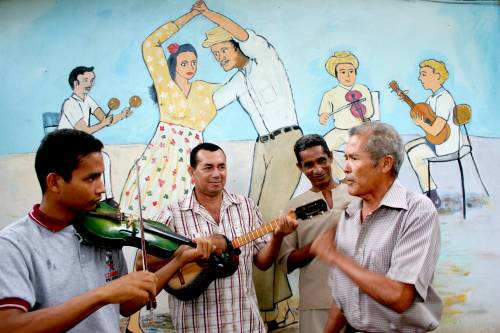
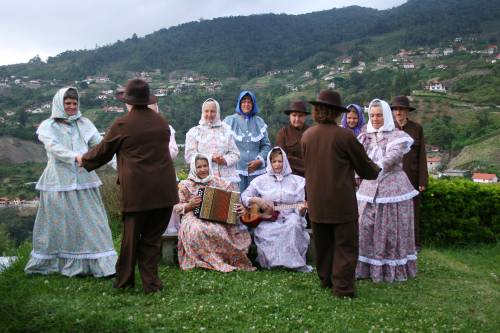
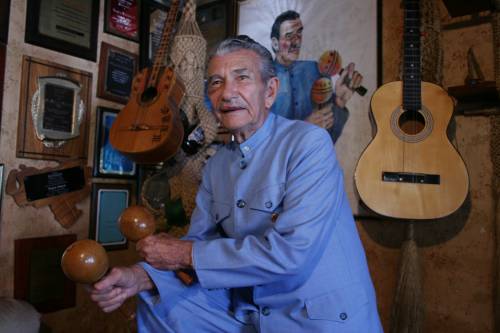
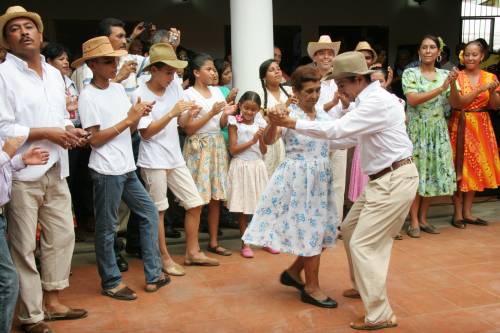
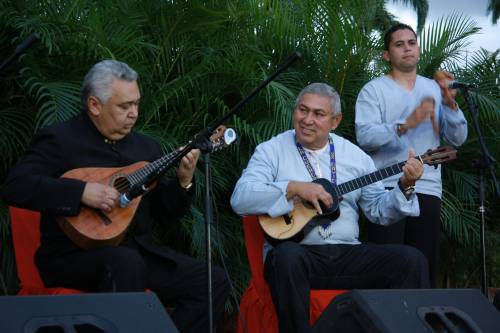
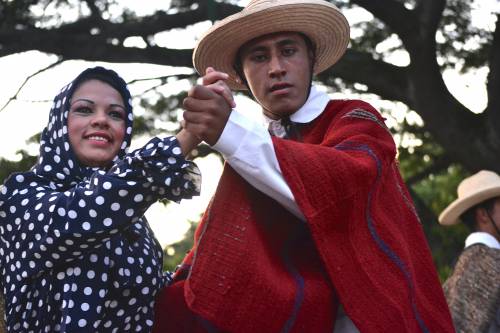
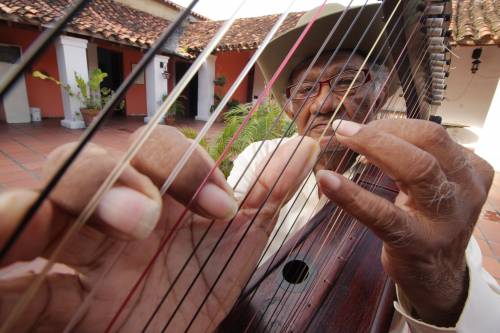
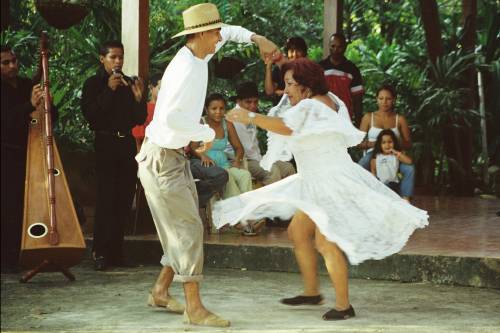
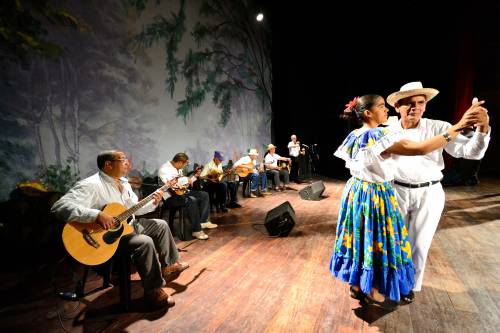
Joropo is a lively festive tradition resulting from the encounter between Indigenous People, Africans and Europeans. Its practice varies according to the regions: East, Guayana, The Andes, West Central, Central and The Plains. It combines music, poetry, singing and dancing, and involves various instruments such as the harp, cuatro, maracas, violin and accordion. The songs often tell stories about love, nature, humour and daily life. Joropo music is played all year round, both spontaneously and during planned events, and is common at family celebrations, public gatherings, and religious or cultural festivals. There is a corresponding partner dance where a man and woman hold each other at a certain distance, starting in a waltz position, and follow specific steps and movements.
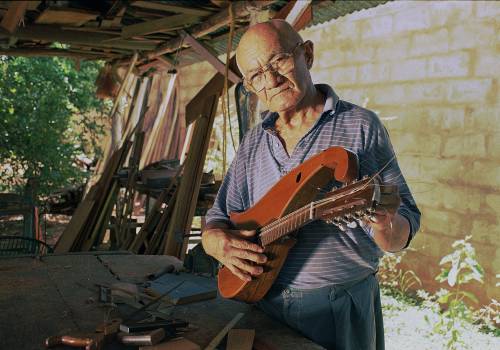
Joropo parties can last for several days and involve people of all ages. In some places, men typically sing and play the instruments while women dance, whereas in other communities everyone participates equally. Craftspeople such as instrument makers, composers, dressmakers and cooks also support the festivities. Knowledge about Joropo is passed down mainly through oral teaching, observation and imitation. Children often attend Joropo schools to learn the music, dance, traditional clothing and values connected to the tradition. A source of identity and pride, Joropo strengthens family and community bonds through shared celebration, music, dance and food.