Inscribed in 2025 (20.COM) on the List of Intangible Cultural Heritage in Need of Urgent Safeguarding
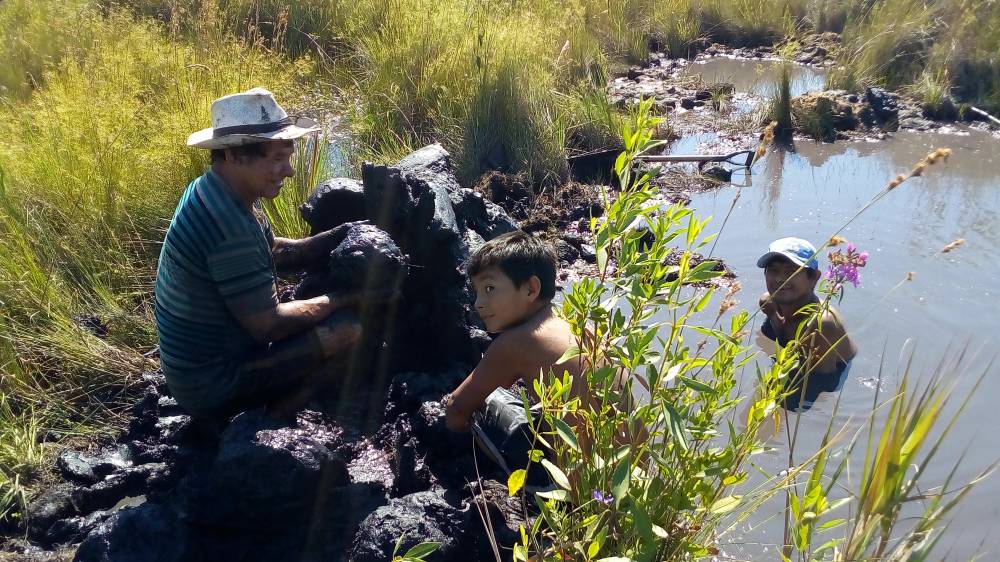
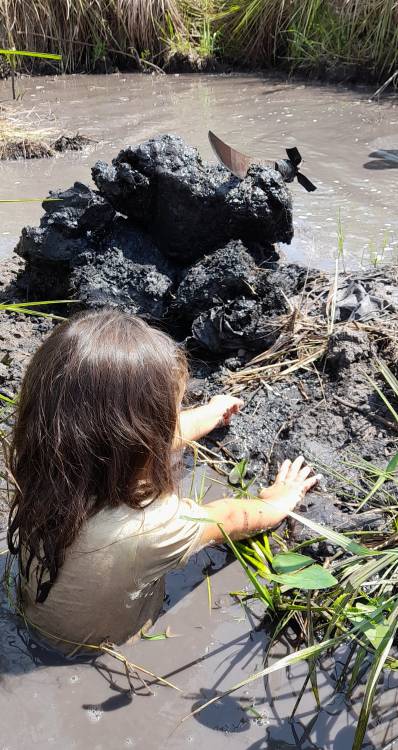
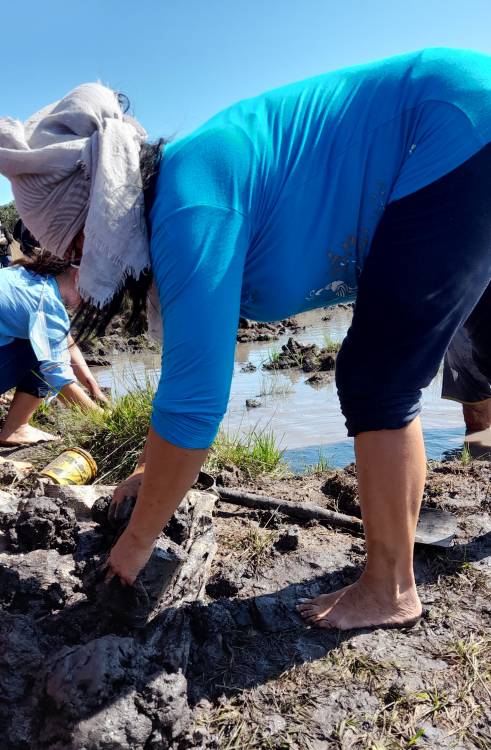
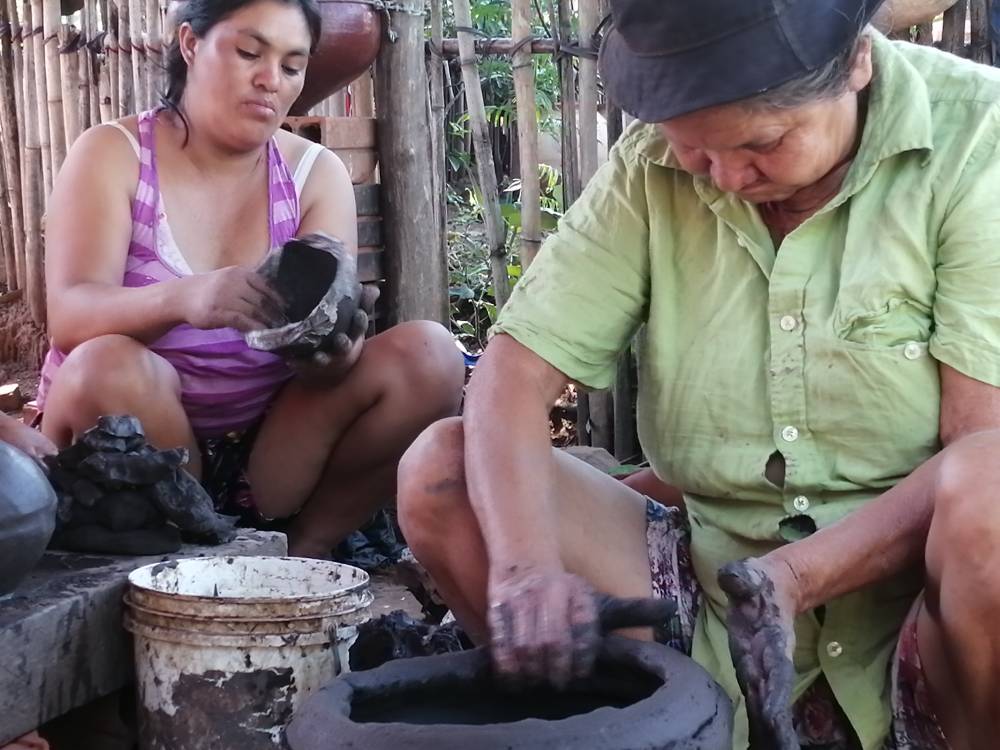
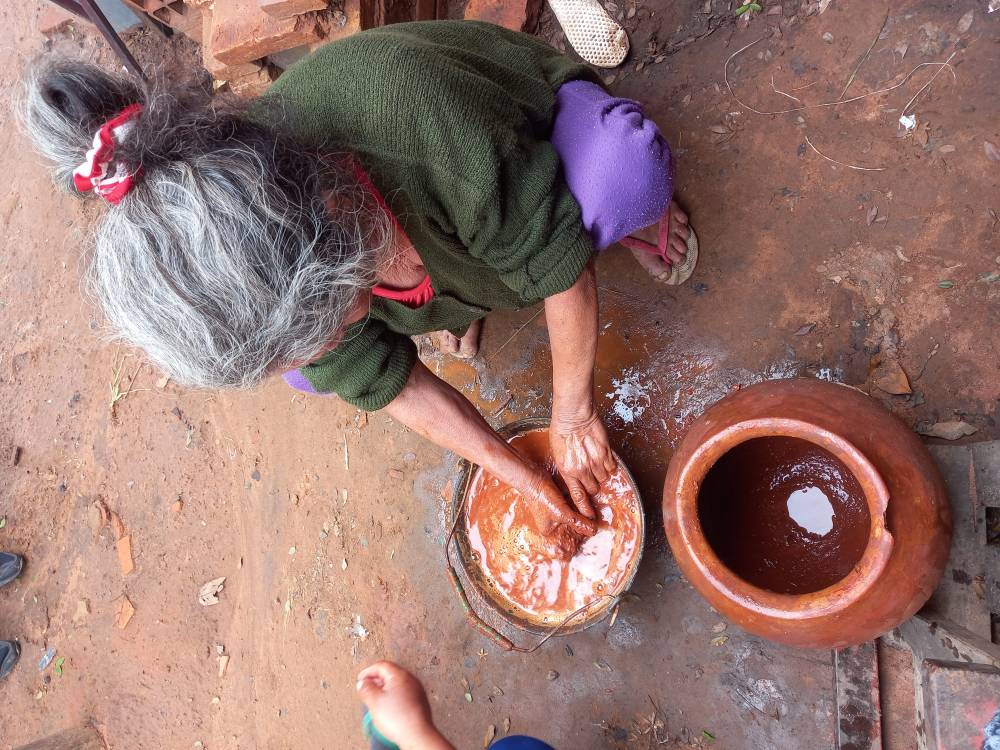
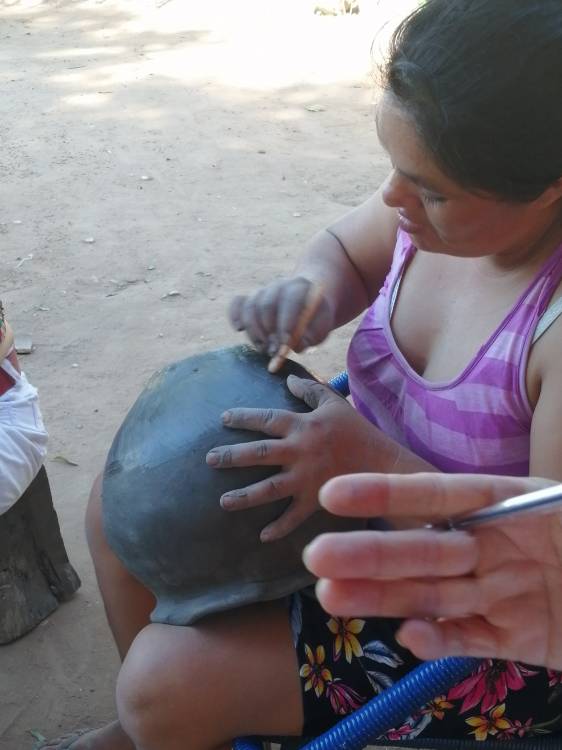
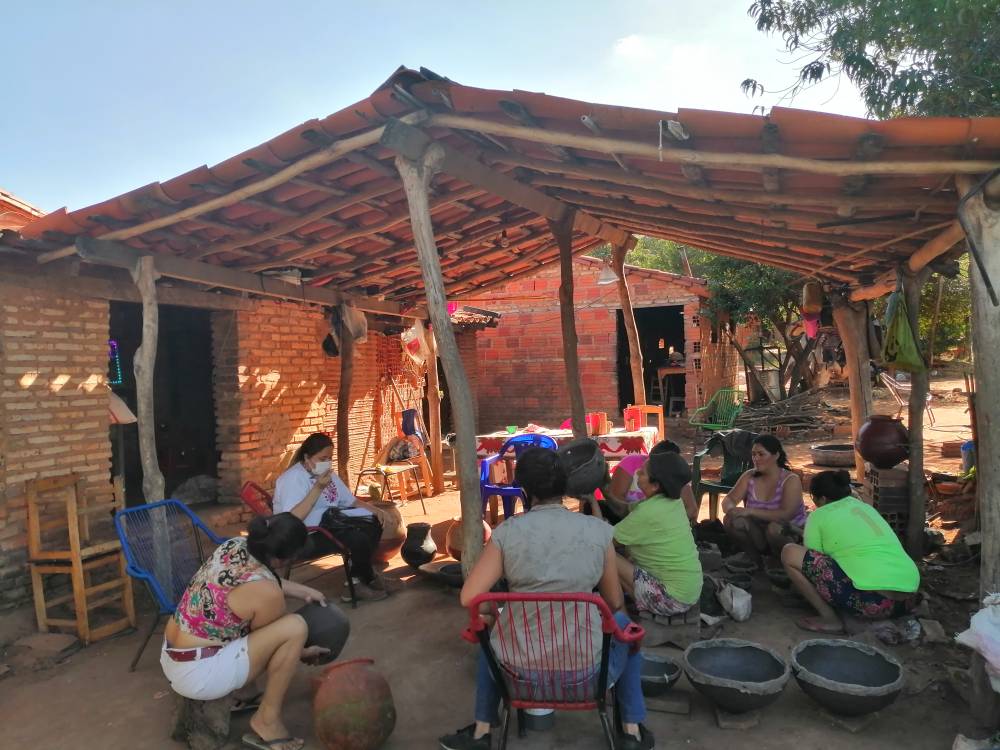
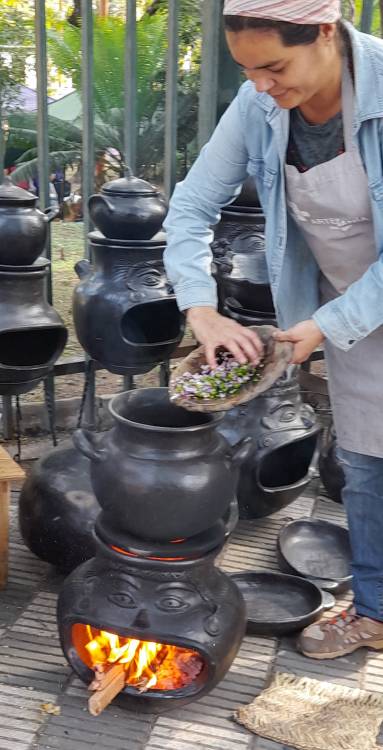
Ñai’ũpo is a traditional ceramic craft that involves making blackish cooking and eating utensils by hand using natural materials and techniques that have been passed down through the generations. Practiced by communities organised in associations of potters in Itá, Tobatí and Yaguarón, the process is both practical and cultural, bringing together skills, community ties and expressions of identity. It begins with gathering wild clay from nearby swamps, a task that requires deep knowledge of the right materials and environment. Brick dust is then kneaded into the clay. The pottery is shaped using the ‘colombín’ method, where rolls of clay are stacked and smoothed by hand with a special tool called a ‘tacuara’. Pieces are then decorated with natural paint, polished, and fired in wood-burning ovens for several hours.
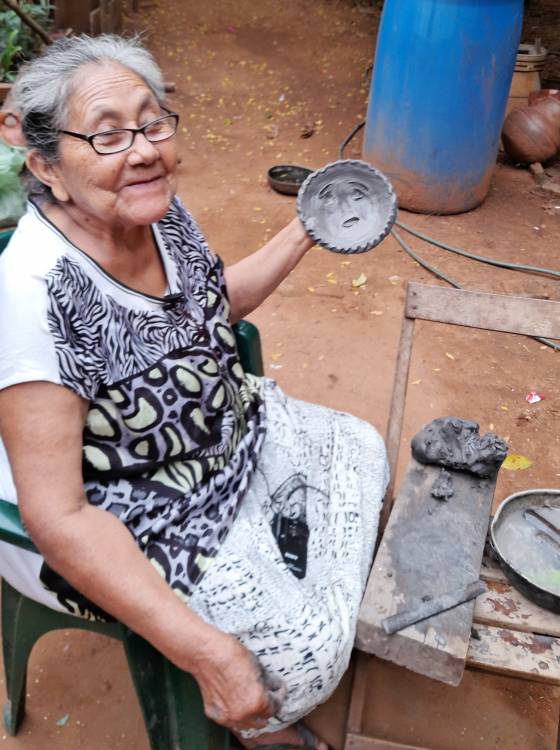
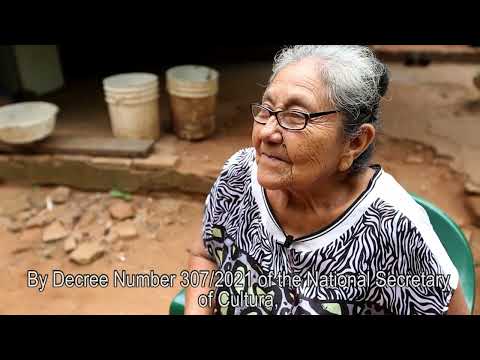
The ceramic craft is primarily led by women, with older women transmitting the knowledge and skills to their daughters or apprentices through hands-on practice and oral guidance in the Guarani language. The ‘tacuara’ tool, which is passed down from teacher to apprentice, symbolizes the process of knowledge transmission. Ñai’ũpo also helps preserve cooking traditions and tools while highlighting the important role women play in their communities. Men often offer support by gathering materials and transporting finished items.