Inscribed in 2025 (20.COM) on the Representative List of the Intangible Cultural Heritage of Humanity

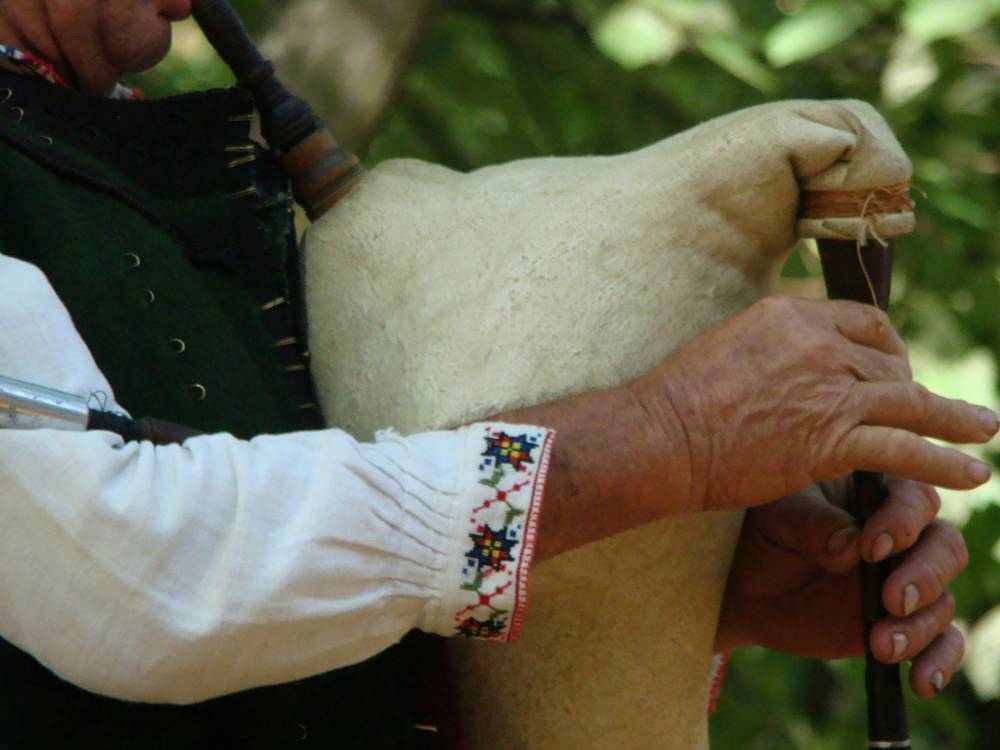
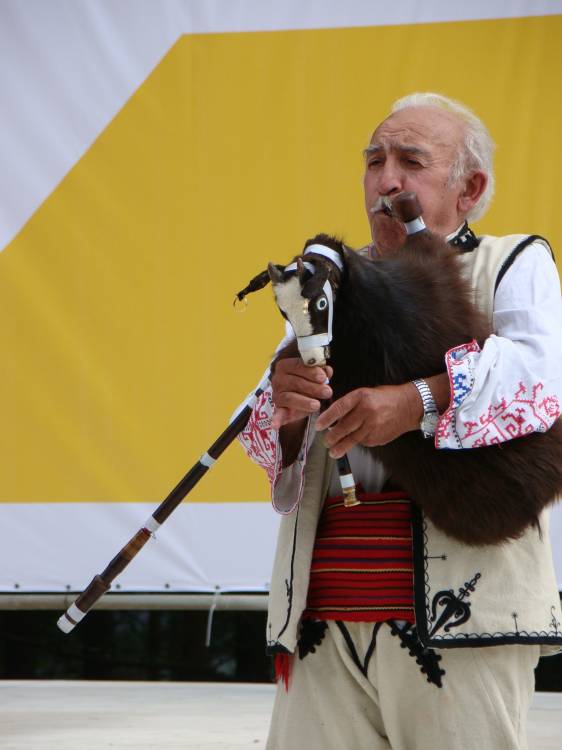
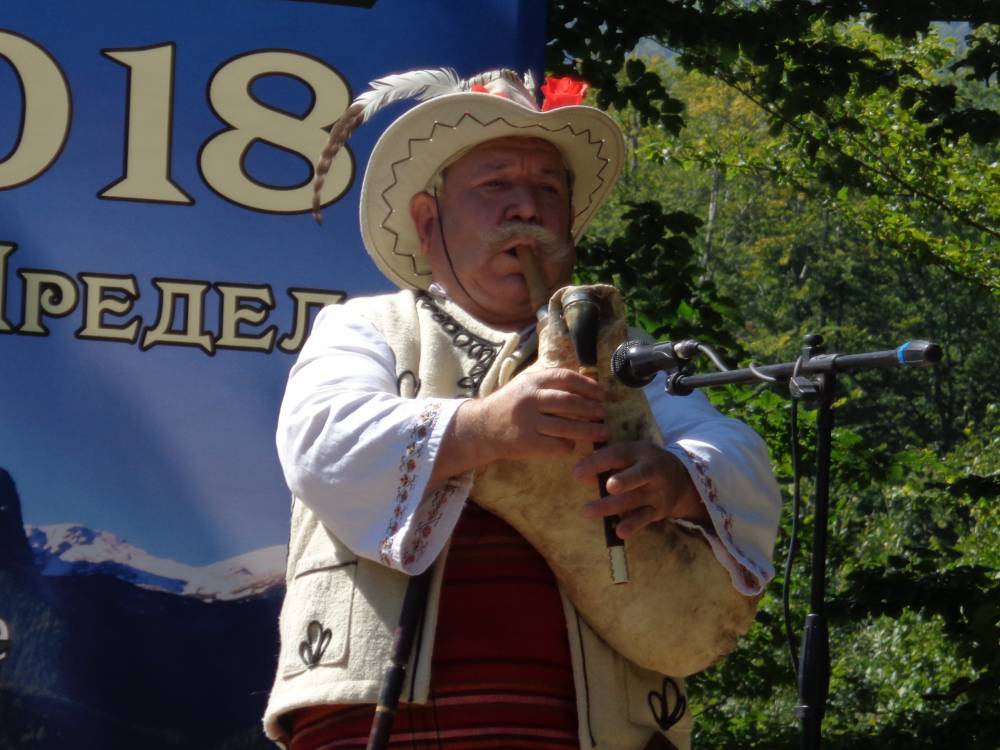
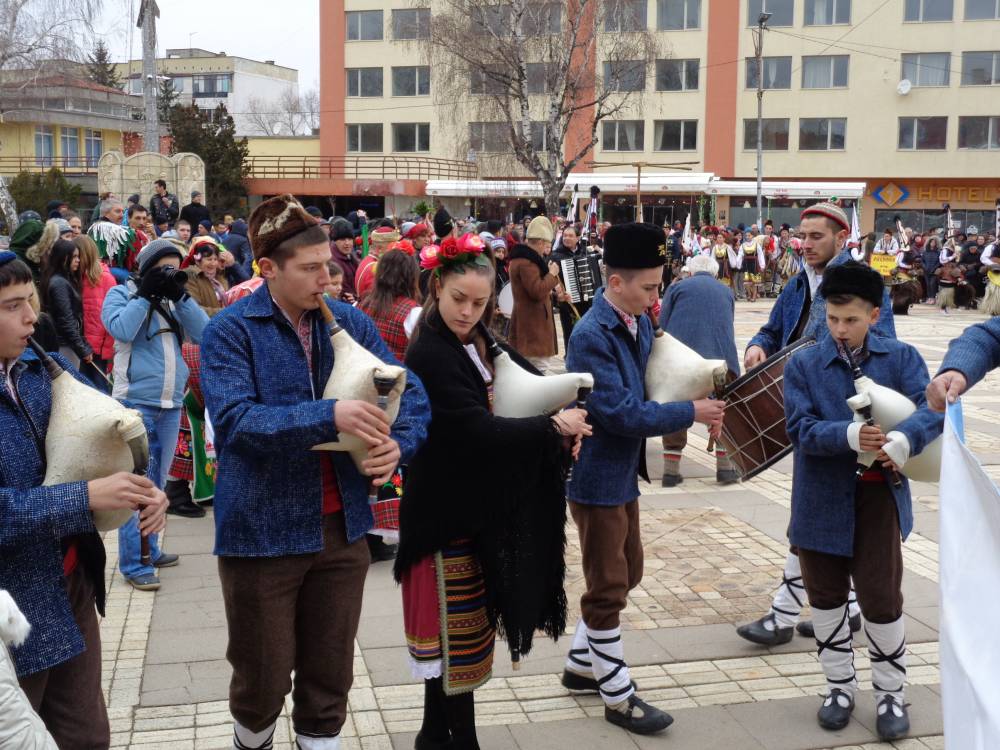
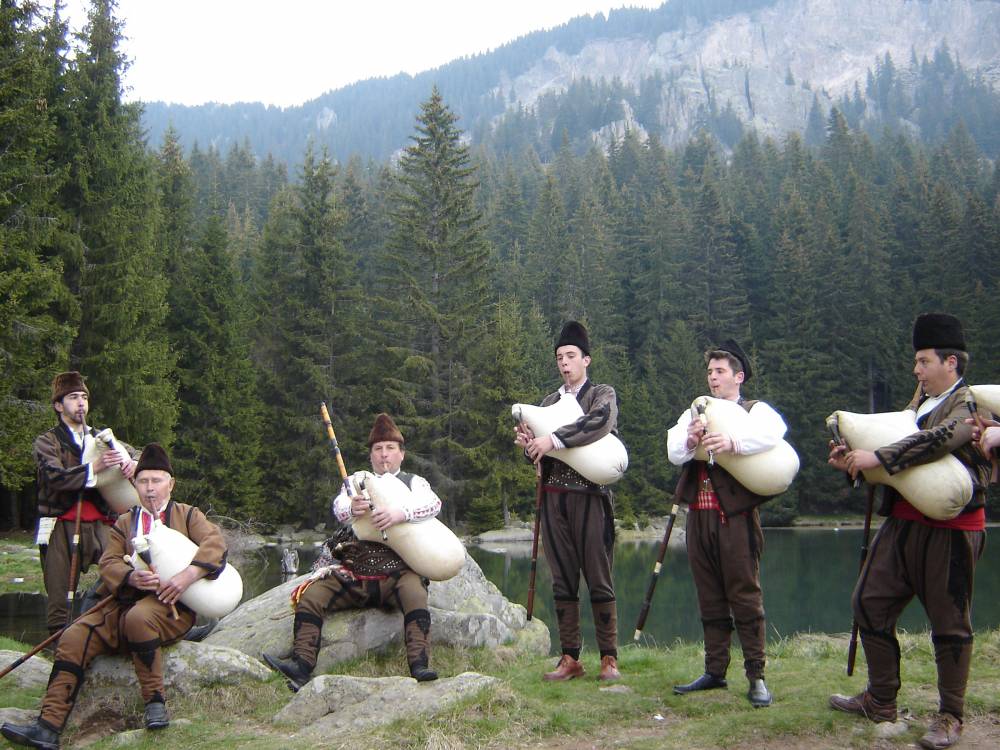
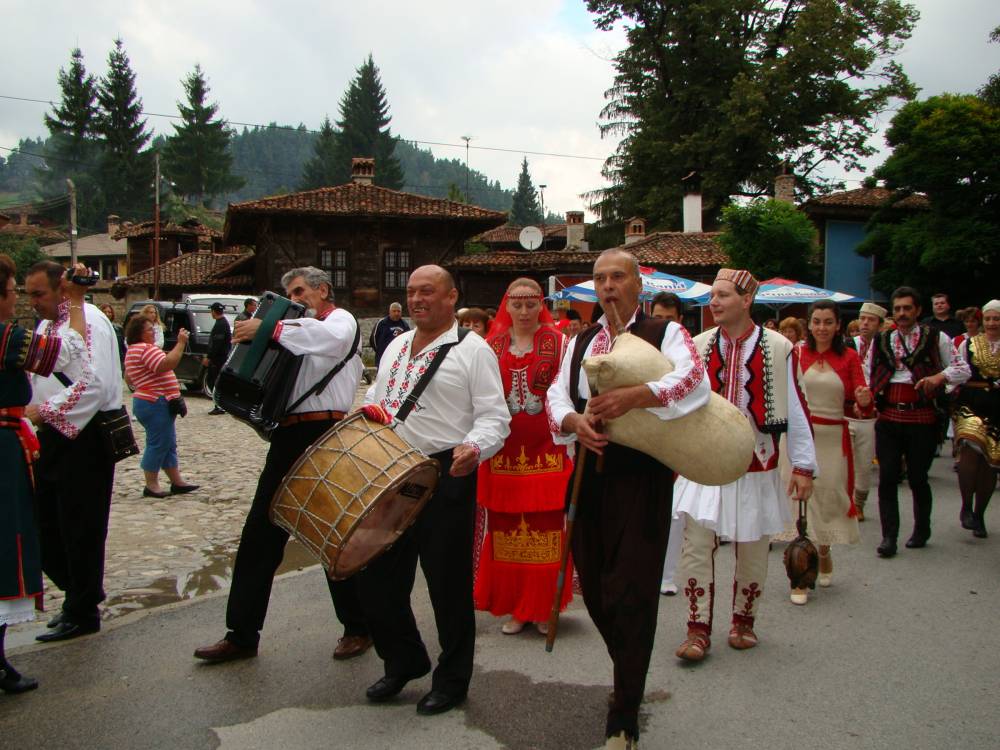
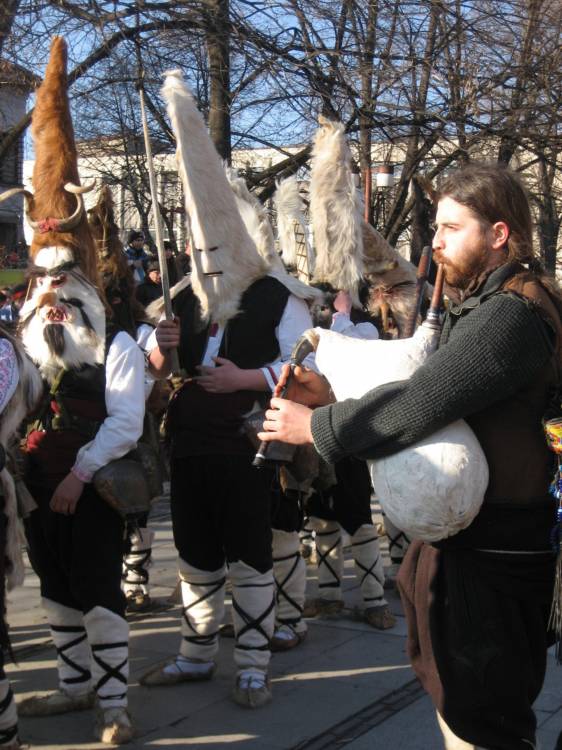
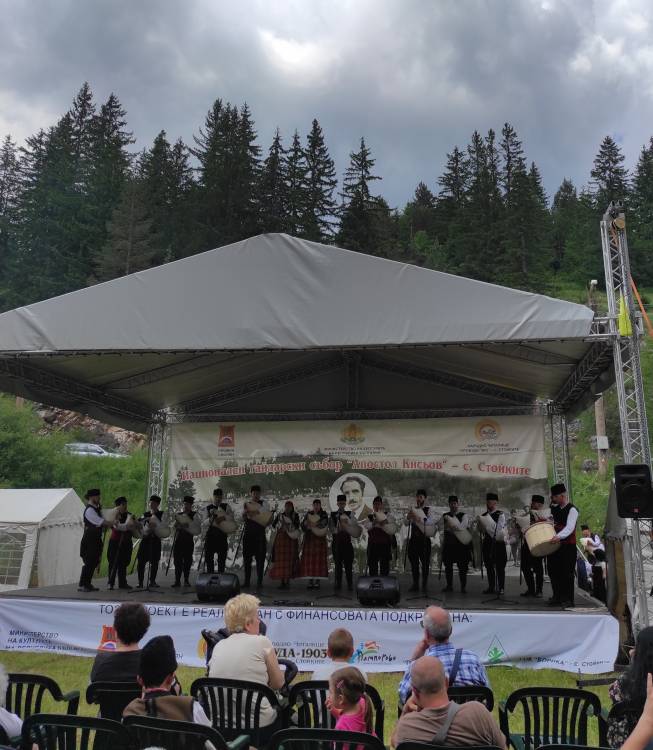
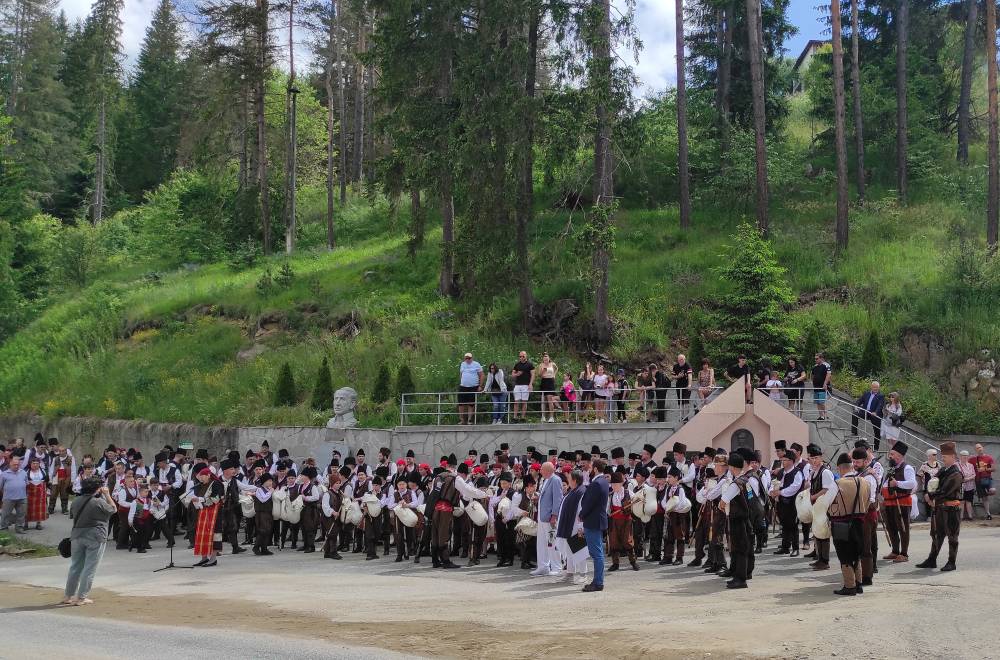
The bagpipe is a traditional wind instrument made of a leather bag connected to a chanter (a pipe with finger holes and a reed), a drone (a pipe that produces a continuous tone), and a blowpipe used to fill the bag with air. There are different types based on pitch: high, medium and low. The bagpipe is played at social and cultural events, including folk dances, festive meals, rituals and gatherings. It can be played alone or as part of an ensemble and is sometimes accompanied by singing.
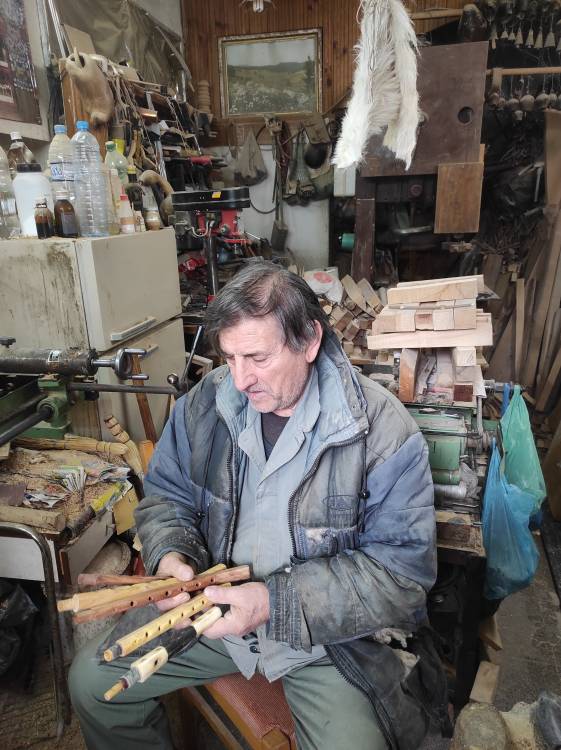
The knowledge of making and playing the bagpipe is passed down through families and communities, often by observing and learning by ear. While the practice used to be transmitted mainly from fathers to sons, it now includes women and girls. Today, bagpipe instruction also takes place in community centres, music schools and universities. Group leaders, teachers and skilled craftspeople play a key role in teaching and keeping the tradition alive, and folklore festivals, competitions and gatherings provide more opportunities to share and develop skills. A key component of everyday life and special occasions, the bagpipe connects people to their roots, strengthens community identity, and promotes knowledge sharing and solidarity through bagpipe groups and clubs.