Report on the status of an element inscribed on the list of intangible cultural heritage in need of urgent safeguarding
A. Cover sheet
A.1.
State Party
Name of State Party
Latvia
A.2.
Date of deposit of the instrument of ratification, acceptance, approval or accession
This information is available online.
Date of deposit of the instrument of ratification, acceptance, approval or accession
2005-01-14
A.3.
Element inscribed on the Urgent Safeguarding List that is the subject of this report
Name of element
Suiti cultural space
Inscribed in
2009
Submitting State(s)
Latvia
A.4.
Reporting period covered by this report
Please indicate the period covered by this report.
Reporting period covered by this report
01-12-2021 - 30-11-2025
A.5.
Other elements inscribed on the Urgent Safeguarding List, if any
Please list all other elements from your country inscribed on the Urgent Safeguarding List, together with the year of inscription; for multinational elements, please indicate the other States concerned.
A.6.
Executive summary of the report
Please provide an executive summary of the report that will allow general readers to understand the current status of the element, any positive or negative impacts of inscription, the implementation of safeguarding measures during the reporting period and their possible update for the following years.
Executive summary of the report
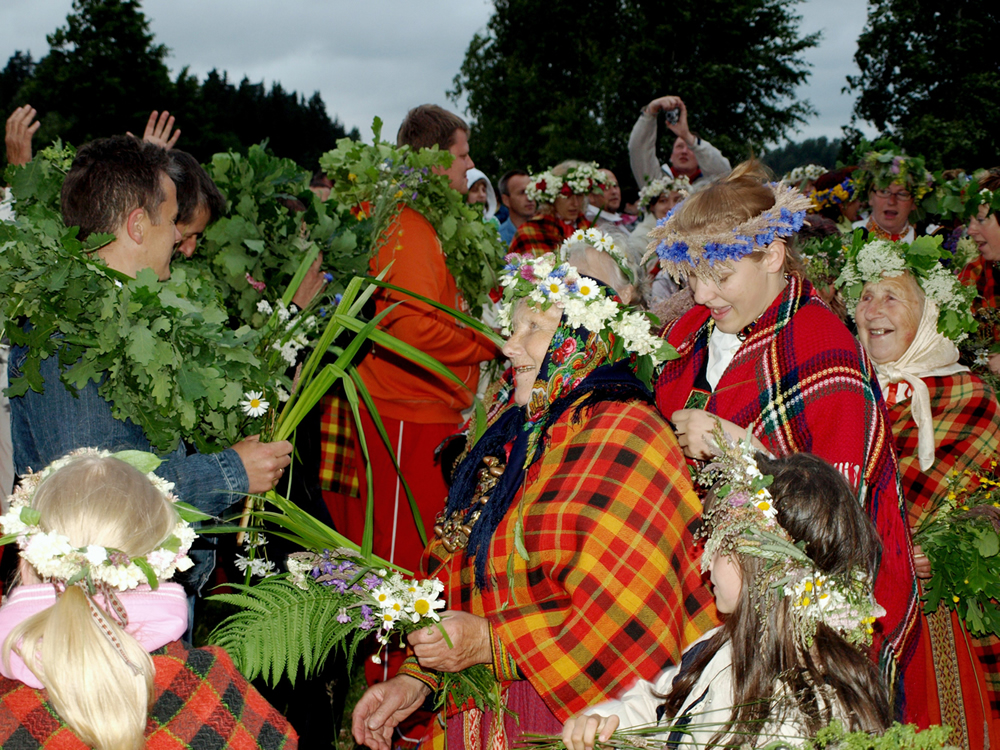
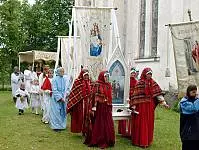
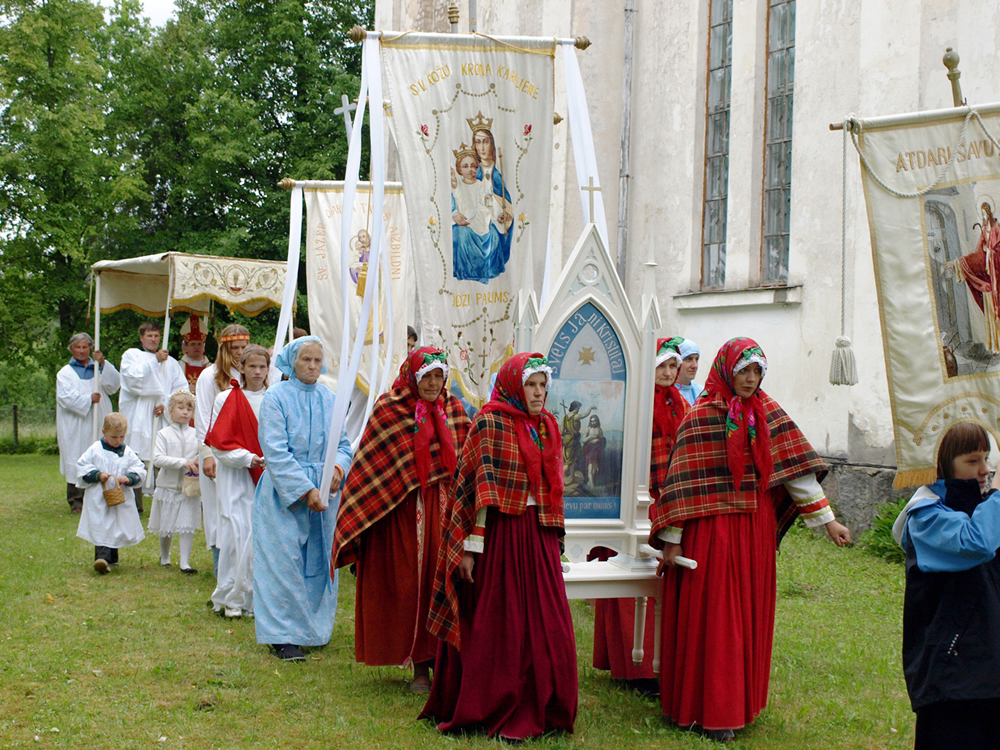
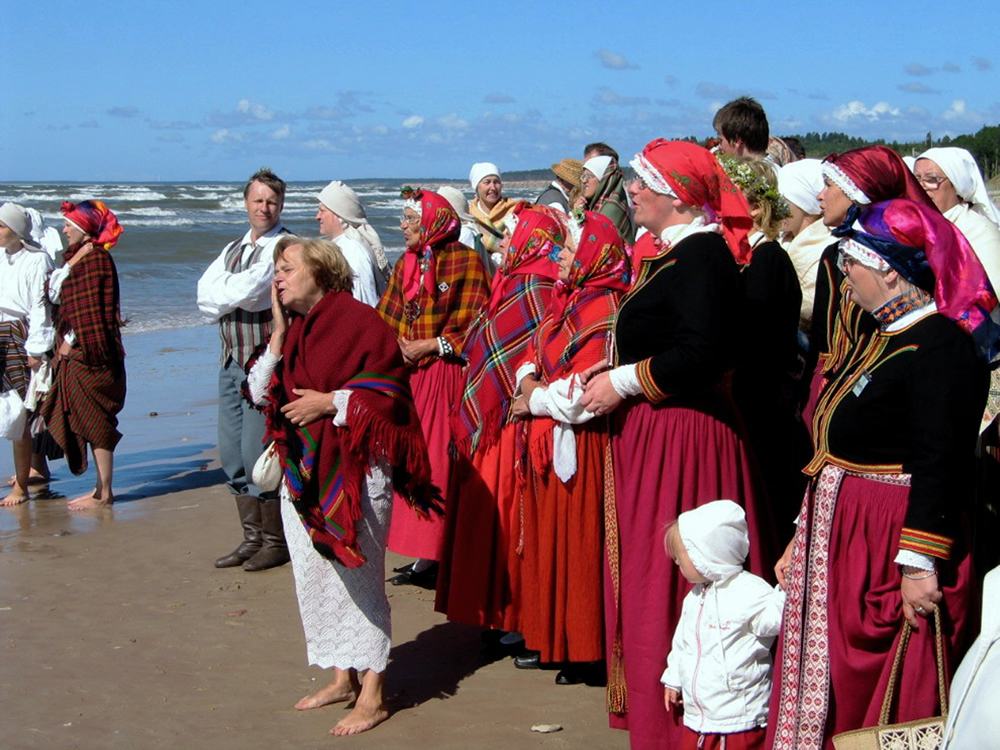
The Suiti cultural space is one of Latvia’s historical regions, located in Kurzeme in the civil parishes of Alsunga and Gudenieki in Kuldīga municipality, and in Jūrkalne civil parish in Ventspils municipality. It covers an area of approximately 400 km² and has a population of around 2,000. Suiti cultural space is characterized by such living heritage values as its own dialect, drone singing, playing the bagpipes, kokle, drums, and other traditional music instruments, and the manufacture of these instruments, various traditional crafts, including the making and wearing of traditional costumes during festivities, the celebration of communal festivals, and culinary heritage. An important feature of identity is Catholicism, thanks to which the cultural space inhabited by the Suiti has historically, since the 17th century, developed as a distinct ethno-confessional inhabited territory in the otherwise Lutheran Courland.
Suiti community attaches great importance to a sense of belonging to their cultural space. The core of the heritage community – members of ethnographic ensembles, folklore groups, dance groups, craft workshops, amateur theater groups, etc. – plays a special role in the preservation and promotion of the traditions of Suiti cultural space, as do the activities of nongovernmental organizations and the personal contribution of each individual to the preservation of the Suiti heritage.
During the reporting period, a variety of activities were carried out, based on the community’s initiative and implemented with the community’s own contribution, as well as with financial support from the state, local governments, and European Union funds. Cooperation between the community, local governments, and the state has also taken place, and the community has assessed it as positive and supportive.
With regard to the selected preservation objectives – (1) the community has actively continued to research and document its culture, published several books, including special editions for children, and documented and digitized evidence of the Suiti heritage; (2) the practice and transmission of Suiti traditions has been ensured; the recognition of the Suiti both nationally and internationally has been promoted; (3) Formal and informal educational opportunities for children, young people, and adults have been ensured, strengthening and acquiring traditional skills and knowledge related to Suiti culture. (4) The development of cultural tourism has been promoted; weekly Suiti market events are organized, thereby promoting economic activity in the community related to home production and crafts; investments have also been made in the infrastructure of the cultural and community’s living environment.
In the opinion of Suiti community (for survey, interviews, and discussions, see section D), the inclusion of Suiti cultural space in the Urgent Safeguarding List has brought benefits such as strengthening the self-confidence and local identity of Suiti community, broader community participation in the preservation of their cultural heritage, including the revival of traditional knowledge and skills, the development of home-based production and entrepreneurship, and the promotion of Suiti culture both locally and internationally. At the same time, various risks to the preservation of Suiti cultural space remain – community representatives point to the increased depopulation, the need to promote a sense of belonging among the younger generation, and the need to strengthen unity and cooperation within the community by involving as many members of the local community as possible in the preservation of Suiti cultural space. During the reporting period, with the start of the development of wind farms on a national scale, the community has focused its attention on protecting the cultural landscape of its living space.
The updated plan for preserving Suiti cultural space provides for the continuation of the four areas of action already begun: (1) documentation and research; (2) practice and transmission; (3) education; (4) promotion of entrepreneurship and improvement of infrastructure, with a particular focus on preserving the cultural landscape.
Funding is planned to be attracted from the state, local governments, and the European Union in order to implement the planned activities.
A.7.
Contact person for correspondence
Provide the name, address and other contact information of the person responsible for correspondence concerning the report.
Title (Ms/Mr, etc.)
Ms
Family name
Lancere
Given name
Gita
Institution/position
Latvian National Centre for Culture /expert of intangible cultural heritage
Address
Zigfrida Annas Meierovica bulvaris 14 - 7, Riga, LV-1050, Latvia
Telephone number
+371 29183000
E-mail address
gita.lancere@lnkc.gov.lv
Other relevant information
Dace Martinova
Chairperson of the board of directors of the Ethnic Culture Centre (ECC) “Suiti”
Skolas iela 11a, Alsunga, Kuldigas novads
+371 29222103
dace.martinova@inbox.lv
Contact person of the Suiti community
B
Ms
B. Status of element inscribed on the Urgent Safeguarding List
Refer to the nomination file or to previous reports, if any, as the basis for reporting on the current status of the element, and report only on relevant changes since the date of inscription on the List or since the previous report. Nomination files, specific timetables and earlier reports, if any, are available at https://ich.unesco.org or from the Secretariat, upon request.
The State Party shall pay special attention to the role of gender and shall endeavour to ensure the widest possible participation of the communities, groups and, where applicable, individuals concerned as well as relevant non-governmental organizations during the process of preparing this report, and is asked to describe how it has done so in point D below.
B.1.
Social and cultural functions
Please explain the social and cultural functions and meanings of the element today, within and for its community, the characteristics of the bearers and practitioners, and any specific roles or categories of persons with special responsibilities towards the element, among others. Attention should be given to any relevant changes related to inscription criterion U.1 (‘the element constitutes intangible cultural heritage as defined in Article 2 of the Convention’).
Social and cultural functions
The Suiti cultural space encompasses traditional cultural values characteristic of the Suiti ethnocultural group, including their dialect, drone singing, bagpipe and kokle playing, drumming, and the manufacture of these musical instruments. It also encompasses craft skills such as making and wearing traditional costumes for festivities, as well as joint celebrations and culinary heritage. Catholicism is also a part of the Suiti culture. Although community members are less likely to attend church services or participate in parish activities, Catholicism is still considered the foundation of Suiti cultural identity (see Section D). The Suiti community has a strong sense of belonging to its cultural space. This is most significant for the core heritage community consisting of Suiti ethnographic ensemble members, folklore group members, dance group members, craft workshop members, and other members from different generations (see section B.3c), as well as local non-governmental organization members (see section C.5). Belonging to the Suiti cultural space is also important to a wider circle of local residents in the Kuldīga and Ventspils regions, as well as to Suiti living elsewhere in Latvia and around the world.
The Suiti are proud of their culture and history. They are highly self-confident, creative, and enterprising, and their community is characterized by self-sufficiency and healthy competition. The cultural values of the Suiti can be considered a resource for the community’s sustained development and cohesion, helping them work together to achieve shared goals. The cultural functions of the Suiti cultural space include preserving cultural heritage by passing on traditions, knowledge, and skills, as well as forming and strengthening identity and a sense of belonging to one’s home area and shared cultural values. The social functions of the Suiti cultural space include educational opportunities for children, young people, and the entire community and its visitors. Preserving Suiti traditions and holding events in the cultural space engages local residents in cultural processes and provides opportunities for creative expression. The Suiti cultural space provides opportunities for the community to gain international recognition by developing cultural tourism and promoting the values of its heritage abroad.
The Suiti community’s contribution is essential to preserving their cultural space and continuing traditions. It allows for the implementation of new initiatives and projects, the acquisition of new experiences and knowledge, and the protection of the community’s interests and strengthening of a sense of belonging.
B.2.
Assessment of its viability and current risks
Please describe the current level of viability of the element, particularly the frequency and extent of its practice, the strength of traditional modes of transmission, the demographics of practitioners and audiences and its sustainability. Please also identify and describe the threats, if any, to the element's continued transmission and enactment and describe the severity and immediacy of such threats, giving particular attention to any strengthening or weakening of the element’s viability subsequent to inscription.
Assessment of its viability and current risks
The Suiti cultural space’s viability largely depends on preserving and transmitting their cultural traditions, as well as using these for tourism and business. This allows the local community to live and develop in their historical home area. Various community groups and organizations are involved in ensuring space’s viability.
As of 2025, 2,090 people live in the Suiti cultural space in the Alsunga, Gudenieki, and Jūrkalne civil parishes. While the population remains relatively stable, it is gradually declining, particularly among the younger generation. Fewer children are being born, and young people are leaving the Suiti cultural area for the cities due to the closure of schools in Jūrkalne and Basi, as well as the conversion of Alsunga Secondary School into a primary school in 2021. This results in a loss of connection to their native place and Suiti culture. School closures and restructuring have had a long-term impact on the viability of the community and cultural space. The socio-political and economic conditions caused by the war in Ukraine have also impacted the area. The planned development of wind farms in the Suiti cultural space could fundamentally change the traditional landscape and biological diversity of the area. It could also pose a threat to the area’s population, as properties near industrial wind farms will lose their appeal, encouraging people to move away and increasing the risk of community decline. Similarly, population migration affects the preservation of Suiti cultural values, particularly in Jūrkalne, where newcomers who do not always value the area’s cultural and historical heritage are purchasing properties.
However, during the review period, the Suiti cultural space community has shown an increased spirit of cooperation and solidarity, as well as a more determined defence of their interests in terms of cultural heritage management and ensuring the quality of their living environment. Not only the core of the cultural heritage community but also a wider section of the local community has become involved in achieving various goals related to preserving and developing their living environment.
Surveys, interviews with community members, and discussions (see Section D), which were conducted to prepare this report confirmed that the community values the local governments’ support for preserving the Suiti cultural space, as well as the economic and social benefits of its status and heritage. During the reporting period, more than 60 craftsmen and home producers worked actively in the Suiti cultural space. There was a regular sharing of experiences between cultural heritage communities in Latvia and internationally. Residents had the opportunity to implement their initiatives and ideas and attract funding from various sources.
While Suiti cultural content is integrated into educational offerings and cultural life in the cultural space, concerns remain about promoting and strengthening a sense of belonging within the entire community, especially among the younger generation. Similarly, the community believes that more activities should be carried out in the field of Suiti history research and accessibility. For example, a Suiti museum could be established. Additionally, at the national level, issues affecting coastal fishing and related traditions must be addressed. For example, the damage caused by seals destroying fishing gear and reducing catches threatens the livelihoods of coastal fishermen, including those in Jūrkalne.
B.3.
Implementation of safeguarding measures
Please report on the safeguarding measures described in the nomination file, and previous report, if any. Describe how they have been implemented and how they have substantially contributed to the safeguarding of the element during the reporting period, taking note of external or internal constraints such as limited resources. Include, in particular, information on the measures taken to ensure the viability of the element by enabling the community to continue to practise and transmit it. Include the following detailed information concerning the implementation of the set of safeguarding measures or safeguarding plan:
B.3.a.
Objectives and results
Indicate what primary objective(s) were addressed and what concrete results were attained during the reporting period.
Objectives and results
The updated plan for safeguarding the Suiti cultural space, developed by the Suiti Cultural Centre (EKC “Suiti”) in cooperation with local governments and the Latvian National Cultural Centre, had four main objectives: (1) to ensure the documentation, research, and promotion of Suiti cultural heritage; (2) to promote the practice and transmission of Suiti culture among all target groups; (3) to promote education and the transmission of traditions to children and young people; (4) to use the creative potential of the Suiti cultural space for the development of new products and services and to provide the necessary infrastructure. During the reporting period, the following key results were achieved in relation to these objectives (in accordance with section C.1 of the 2021 report):
(1) Research and documentation – activities (see B.3b) in the documentation and research of Suiti heritage have mainly been initiated and implemented by the community itself, in cooperation with the Aizpute Local History Museum and the Latvian Ethnographic Open-Air Museum. During the reporting period, special attention was paid to the study and preservation of crafts (traditional textiles – mittens, blankets, woolen shawls), as well as the identification and documentation of sacred heritage and the study of the phenomenon of the Suitu sievas (Suiti Women) folklore ensemble.
(2) Practice and transmission – the celebration of traditional Suiti festivals continued, and local and international experience exchange projects were implemented, including with European Union funding. Digital media have also been used to ensure the accessibility of Suiti heritage, and various interactive events have been organized, such as erudition games, hikes to Suiti cultural and historical heritage sites, etc. (see B.3b).
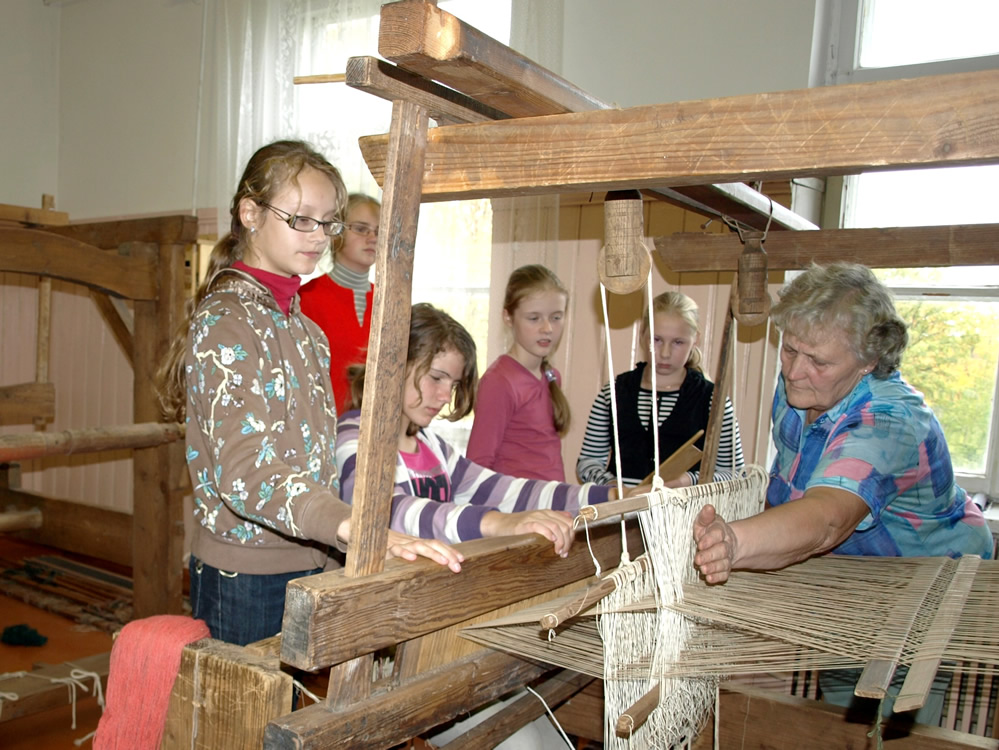
(3) Education – informal educational activities have been offered to children from preschool age onwards. Summer camps and various training courses have been organized for children and young people. At Alsunga Art Elementary School, the Suiti cultural heritage has been integrated into the curriculum, and libraries have implemented several educational events for both students and their parents. Adults are provided with lifelong learning opportunities to develop their skills and abilities in weaving, knitting, playing and making musical instruments (bagpipes, kokle and drums), as well as in restoration.
(4) Entrepreneurship and infrastructure – during the reporting period, demand for products made by Suiti home producers and craftsmen has increased, and the weekly Suiti market in Alsunga has become a permanent fixture in the cultural space. The opening of the Alsunga Craft House in 2022, which houses several non-governmental organizations and the Alsunga Tourism Information and Historical Heritage Centre, has promoted both community activity and tourism development. Several infrastructure projects have also been implemented – road sections have been renovated, recreation areas in Alsunga and Jūrkalne have been improved, restoration work has been carried out on the medieval castle in Alsunga, and various renovation works have taken place in churches in Jūrkalne, Alsunga, and Gudenieki.
B.3.b.
Safeguarding activities
List the key activities that were carried out during this reporting period in order to achieve these expected results. Please describe the activities in detail and note their effectiveness or any problems encountered in implementing them.
Safeguarding activities
(1) Research and documentation
During the reporting period, several books were published based on community research on the intangible cultural heritage of the Suiti people – Suiti mittens, Suiti skirts, Suiti blankets, and the Suitu sievas ethnographic ensemble (see also B.3d.).
Owing to local libraries, local history materials and collections have been supplemented, digitized, and popularized. The Alsunga Library has prepared several digital exhibitions, which are available both on the library’s website and on social networks. Around 50 new items have been added to the Suiti heritage collection, and a collection of rare and ancient religious books has been added to the Jūrkalne Library.
During the reporting period, the Suiti musical folklore heritage was digitized, creating audio recordings with sheet music, which are published on the website www.suitunovads.lv. The website www.suiti.lv has been supplemented with a collection of Suiti place names, a compilation of materials on roadside crosses (crucifixes) and chapels, as well as descriptions of Suiti dances, music, and videos (see also B.3d.).
(2) Practice and transmission
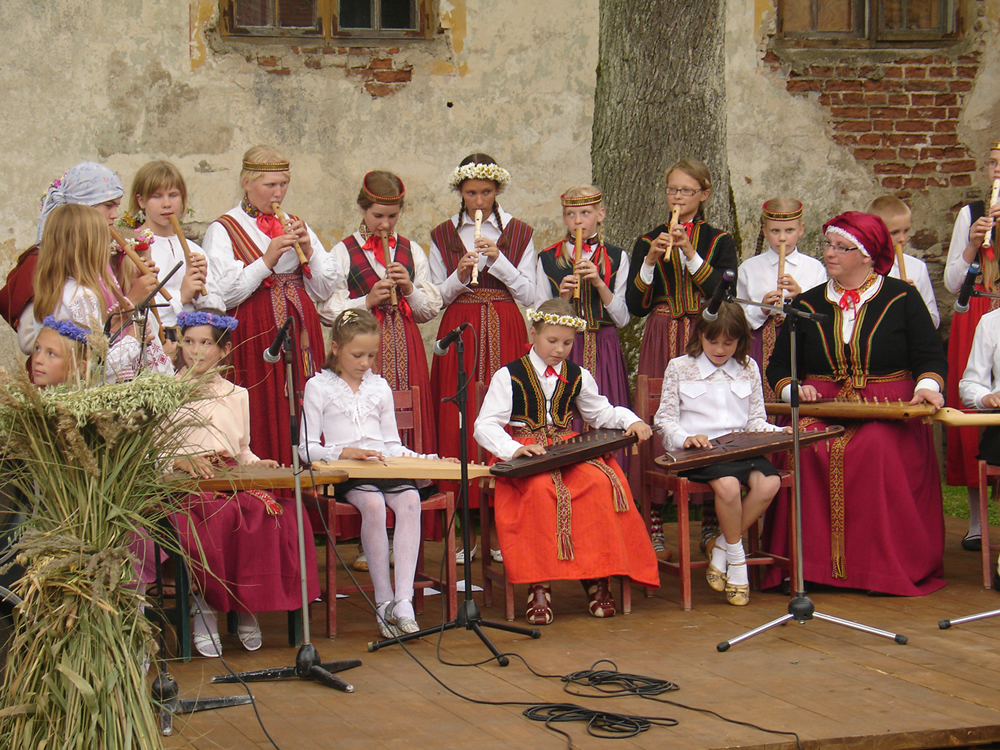
Suiti children and adults have been active in ethnographic ensembles, folklore groups, dance groups, etc. amateur art collectives (see B.3c.) and they have participated in events – concerts, master classes, seasonal and religious celebrations both in the Suiti cultural space and elsewhere in Latvia and around the world.
During the reporting period, several Suiti ethnographic ensembles and folklore groups celebrated milestone anniversaries (in 2022, the middle-aged Suiti dance group celebrated its 40th anniversary, in 2024, Suitu dūdenieki celebrated its 10th anniversary, Maģie suiti its 65th anniversary; in 2025, Gudenieku suiti will celebrate its 60th anniversary, Suitu sievas its 70th, Suitiņi its 40th, Basu suiti and Suitu muzikanti their 15th anniversary), which have been widely and colorfully celebrated with festive concerts and various events.
The Suitiņi children’s folklore group has actively participated in the Latvian children’s and youth intangible cultural heritage inheritance and preservation program titled “Pulkā eimu, pulkā teku” (I Walk with Others, I Run with Others). Suiti amateur art groups have been involved in maintaining the Latvian song and dance festival tradition, as well as in the Baltica international folklore festival.
To popularize the Suiti cultural heritage among the younger generation, the publications of the Suitu kultūras mantojums (Suiti Cultural Heritage) association on Suiti traditions, recipes, and traditional costumes have been digitized, and a digital game for children called “Suiti” with various tasks and interactive elements has been created on the website www.suituspeles.lv, which received the Kuldīga District Culture Award in 2024.
The Suiti Cultural Centre continued to organize the annual summer camp, Suiti Traditions School, for children and young people from all Suiti-inhabited civil parishes, offering creative activities and teaching them about the history and traditions of the region.
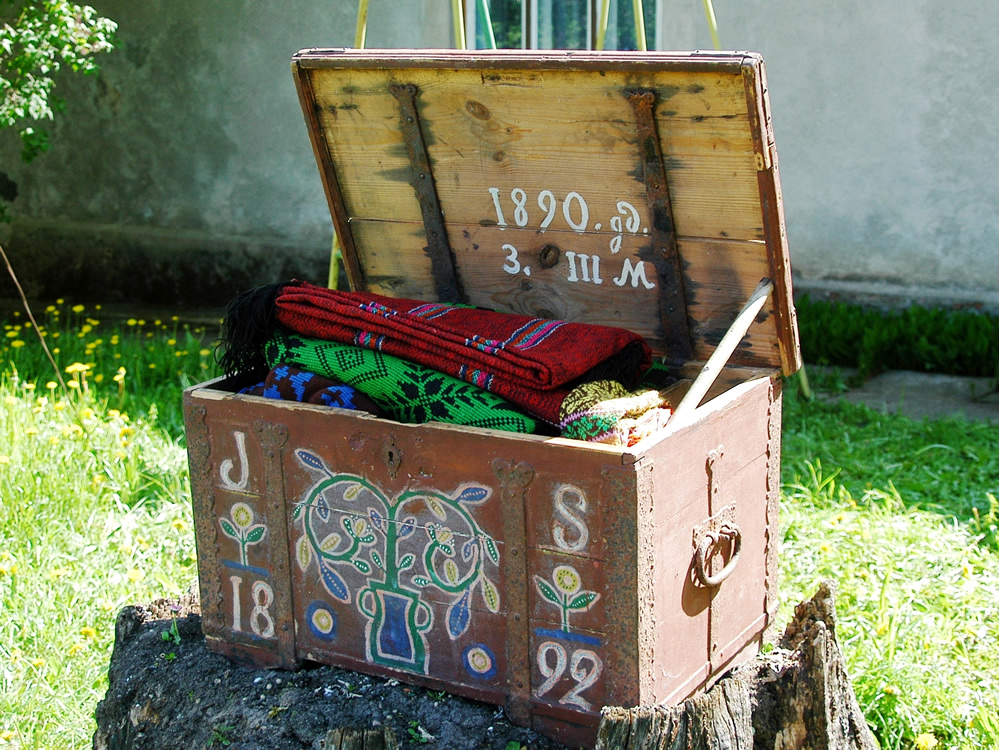
The Suiti cultural space regularly hosts exhibitions of the work of weavers and craftswomen from Alsunga and Jūrkalne. Craft skills are preserved and promoted both at the Craft Days organized by the Suiti Cultural Heritage Association, where various public master classes are held, and at the Master Days organized by the Suiti Cultural Centre, where it is possible to meet craftspeople individually and learn new skills.
(3) Education
During the reporting period, special attention was paid to children and young people. In order to preserve the dialect characteristic of the Suiti, the Suiti Cultural Heritage association has published several publications for children - Suitu alfabēts ar uzdevumiem (The Suiti Alphabet with Exercises, 2022) and the reading book Suitu leģenda (The Suiti Legend, 2023).
In cooperation with Alsunga Art Elementary School, both the EKC Suiti association and Suiti Cultural Heritage association have implemented various educational projects and activities (see also B.3d.). Alsunga Art Elementary School is still part of the UNESCO Associated Schools Network, organizing various activities for students during the reporting period to learn about the Suiti cultural space.
The Suiti community develops craft and music skills and promotes the Suiti culinary heritage through training courses, workshops, and master classes. During the reporting period, several training cycles for families took place – in 2022, the project “Suiti Traditions Training for Families” was implemented, organizing classes on annual celebrations. In 2024, the association "Alsungas viedais ciems" organized several master classes and creative workshops titled “Picnic for Families in a Medieval Atmosphere” at Alsunga Castle, where participants had the opportunity to play music together, make musical instruments, prepare Suiti dishes, and learn new things about wearing Suiti clothing and the dialect characteristic of the Suiti.
Suiti craftspeople regularly participate in the annual event cycle "Meet Your Master Craftsperson!" organized by the Latvian National Culture Center, presenting and sharing their knowledge of the Suiti culinary heritage (for example, cooking porridge in 2023, baking sourdough bread and sklandrauši in 2024), folk costume traditions (embroidering Suiti jackets with beads in 2024), etc.
Since 2023, the Suiti ethnographic ensembles and folklore groups, including Suitu sievas, Suitu vīri (Suiti Men), and Suitu dūdenieki (Suiti Bagpipers) have been offering various activities with Suiti cultural content in the Latvian cultural education program Skolas soma (School Bag), which has just been recognized by UNESCO as an example of good practice in promoting accessibility, inclusion, and equality in cultural and arts education.
(4) Entrepreneurship and infrastructure
The Alsungas viedais ciems association has implemented several initiatives to develop entrepreneurship and strengthen the local community - as part of the project, the Suiti cultural space boundary marker on the border between Alsunga and Ēdole civil parishes on the Kuldīga-Jūrkalne road has been restored, and a recreation area has been developed in the hillfort Dižgabalkalns. Thanks to the Suiti market, which takes place every week, and the Rija arts and crafts space, demand for Suiti crafts has increased. During the reporting period, home producers participated in tourism exhibitions and promoted Suiti culinary heritage both locally and internationally. Community representatives (craftspeople, musicians, local historians) have been involved in developing tourism offerings in the Suiti cultural area, thanks to which the number of tourists visiting the cultural area is growing every year. For example, in 2024, Alsunga welcomed 3,112 guests during the tourist season, including 86 groups from Latvia and abroad. The Sapņotava cultural venue in Alsunga has continued its activities, organizing various entertaining and creative events, such as travel story evenings, and the event series "Suits un viesis" (A Suit and a Guest), which brought together community representatives and popular Latvian musicians, artists, and others.
During the reporting period, investments were made to renovate the surface of shared roads in the Suiti cultural area. Several improvements were carried out - a new volleyball court was built in Jūrkalne in 2023, and the management of the seacoast continued, ensuring access to beaches and regular waste collection. Maintenance work was also carried out on the Roman Catholic church building in Jūrkalne and improvements were made in its surrounding area.
In 2022, the Kuldīga District Municipality, with co-financing from the European Regional Development Fund (ERDF), implemented the project “Jēkaba ceļa kultūras mantojuma un mākslas jaunrades magnēti” (Cultural Heritage and Art Creation Magnets of Jacob’s Road), restoring the southern wing of Alsunga Castle and creating a permanent exhibition, while in 2023, with funding from the European Union’s LEADER Structural Fund, the Zieduleja stage in Alsunga was renovated.
B.3.c.
Participation of communities, groups or individuals in the safeguarding activities
Describe how communities, groups or, if appropriate, individuals as well as relevant non-governmental organizations have effectively participated, including in terms of gender roles, in the safeguarding measures. Describe the role of the implementing organization or body (name, background, etc.) and the human resources that were available for implementing safeguarding activities.
Participation of communities, groups or individuals in the safeguarding activities
The existence and activities of several non-governmental organizations in the Suiti cultural space testify to the active participation of the Suiti community, groups and individuals and their ability to successfully attract funding to contribute to both the preservation of their heritage and the improvement of their living environment. Similarly, the activities of local entrepreneurs – craftspeople and home producers – have contributed to the development and recognition of the cultural space.
Despite the demographic situation in Latvia and the depopulation of rural areas, the Suiti cultural space has seen active involvement of community members in amateur art groups. Comparing the data from the 2021 report with the 2025 figures, it can be concluded that the number of participants in Suiti groups has remained stable. The number of participants has remained unchanged in the Suitu dūdenieki group (founded in 2014, 11 participants), the Suitu muzikanti band (2010, 7 participants), the Kangas applied folk arts studio (2021, 11 members), the Suiti dance group (1982, 20 members), and the Jūrkalne Mēs i klāt! amateur theater (1914, 12 members). Small changes, within the range of 1-2 members, can be observed in the Alsunga Suitu sievas ethnographic ensemble (1955, 16 members), the Gudenieku suiti ethnographic ensemble (1965, 17 members), and the Basu suiti traditional ensemble (2010, 5 members).
Some groups have seen an increase in membership: the Alsunga Suitiņi children’s folklore group (1985, from 12 to 18 members), the Alsunga Suitu dūdenieki folklore group (2014, from 7 to 11 members). On the other hand, a decrease in the number of members has been observed in the Jūrkalne Maģie suiti ethnographic ensemble (1959, from 15 to 8 members), the Alsunga Suitu vīri folklore group (2013, from 13 to 9 members), and the Kodes weaving club (2014, from 6 to 4 members). The Alsunga amateur theater group meets irregularly for certain events and performances, with the number of members fluctuating between 8 and 10.
During the reporting period, a new band, Alšvangas spēlmaņi, was established in 2022, with 7 members, and a new folk dance group, DižSuiti, with 20 members, was established in 2024. Unfortunately, Jūrkalne middle-aged dancer group (founded in 2017) and the Jūrkalne Jampadracis children’s and youth amateur theater (founded in 2008) have ceased their activities.
The youth choir at Alsunga Primary School has been revived, and at the beginning of 2025, the Četri vēji (Four Winds) informal kokle players’ association, which currently includes 9-10 kokle players, resumed its activities.
During the reporting period, several significant individual initiatives were also implemented to preserve the cultural heritage of the Suiti people. For example, in 2023, Grigorijs Rozentāls established a museum of antiquities in his Dīķenieki homestead, which is open free of charge. Juris Lipsnis has set up a bagpipe workshop with an exhibition of traditional instruments at his Silenieki home in, and Suiti traditions and heritage can be explored at Lidija Jansone’s Gāčas farmstead. Dace Nasteviča, a researcher of Suiti history and heritage, has continued to compile folklore evidence recorded in the Suiti cultural space.
B.3.d.
Timetable
Indicate in a timetable when each activity was implemented.
Timetable
Most of the activities (see section B.3b.) have been carried out regularly throughout the reporting period, but several events are particularly noteworthy.
(1) Research and documentation
In 2022, the EKC Suiti published books on the treasures of Suiti heritage, Suit villdrāns (Suiti Woolens) and Suit pierkstaiņ un dūraiņ (Suiti Gloves and Mittens).
In 2023, the Suiti Cultural Heritage association organized a research and educational event at the Alsunga Cultural Center entitled "Šverinu valdīšanas suitos 400 gadu jubileja" (400th Anniversary of the Schwerin Rule in Suiti Lands).
In 2025, the EKC Suiti association documented sacred architecture and art heritage.
In 2025, the painting “Jesus Blessing the Suiti Children” in the Gudenieki Church was researched and restored.
In 2025, in collaboration with the Aizpute Local History Museum, the Suiti Cultural Heritage association prepared an exhibition entitled “Suitu sievas” (Suiti Women), which is currently on display at the Alsunga Crafts House and a book, The Ethnographic Ensemble Suitu sievas Through the Years by Ilga Leimane and Kristīne Vasiļevska-Stepanova, was published.
In 2025, historian Agris Dzenis gave a lecture at the Gāčas farmstead on the manors around the Zvirgzdu Lake: Gudenieki, Blintene, and Jaunmuiža.
(2) Practice and transmission
In 2022, a permanent interactive exhibition on the cultural heritage and way of life of the Suiti people was created in the southern wing of Alsunga Castle.
Every year, the EKC Suiti has organized traditional kokle playing lessons, and in 2023, a collection of kokle melodies by Nikolajs Heņķis was prepared for publication.
The Suiti Cultural Heritage association and the Suitu dūdenieki group have organized annual Latvian bagpipe gatherings, and in 2023, training sessions and master classes were held to improve traditional bagpipe making and playing skills.
In 2023 and 2024, the Suiti Cultural Center created descriptions and videos of Suiti dances, with dance music recordings by the Alšvangas spēlmaņi band and dances performed by the Suiti middle-aged dancers’ group.
In 2024, to mark the 10th anniversary of the Suitu dūdenieki group, an album of Suiti bagpipe dance music, “Trīs apaļi mēneši” (Three Round Moons) was prepared in collaboration with foreign partners. The album was presented in Alsunga, where a Suiti dance night was organized.
(3) Education
In 2022 and 2024, kokle playing masterclasses were held in Alsunga and Basi, where children, young people and adults learned to play this traditional musical instrument.
In 2024, as part of the EKC Suiti project “Strengthening and Developing the Suiti Cultural Space,” the Alsunga Art Elementary School curriculum was supplemented with new teaching materials about the Suiti ethnographic area.
In 2024, the Suiti Cultural Heritage association, in cooperation with the Kuldīga District Municipality, launched the INTERREG Estonia-Latvia Cross-Border Cooperation Program project at the Alsunga Art School “Modern and Innovative Cultural Heritage Learning Solutions for Municipal Schools and Kindergartens – Surrounded by Heritage” with the aim of promoting the inclusion of local heritage content in educational institutions.
(4) Entrepreneurship and infrastructure
In March 2022, the renovated municipal building – Alsunga Crafts House – was officially opened, where Suiti non-governmental organizations and craft workshops are actively operating in one place.
In 2022, a register of Suiti cultural space craftspeople was created for internal use within the community.
In 2023, the Ziedulejas stage in Alsunga was renovated with EU Structural Fund financing.
Every year, Suiti craftspeople and artisans have participated in the crafts fair organized by the Latvian Ethnographic Open-Air Museum, tourism exhibitions, etc.
In 2023, the book Suitu stila grāmata (The Suiti Style Book) was republished as part of the ERDF Estonia-Latvia program project “Development and Promotion of Small Ethnic Cultural Areas as Tourist Destinations”, which not only introduces the history and heritage treasures of the cultural area, but also provides advice on the use of the Suiti logo, wearing elements of traditional clothing, etc.
B.3.e.
Budget expenditures
Provide the detailed amounts of the funds used for the implementation of each activity (if possible, in US dollars), identifying the funding source for each (governmental sources, in-kind community inputs, etc.).
Budget
The budget is broken down by year and source of funding. Local government funding includes support for amateur arts groups, non-governmental organization projects, cultural environment development, and cultural events. The State Culture Capital Foundation supports projects implemented by non-governmental organizations on a competitive basis. The state budget and targeted subsidies include annual direct funding for the safeguarding of the Suiti cultural space and targeted subsidies for amateur art groups. The state and local governments ensure the operation of educational institutions, but this funding is not specified separately. The National Heritage Board has supported the safeguarding of material heritage in the Suiti community by financing the development of conservation and restoration documentation for the southern wing of Alsunga Castle.
Total funding in 2022 was EUR 771,781. Of this, self-financing by the Suiti community (including non-governmental organizations, church congregations, and donors) amounted EUR 3,500, local governments (Kuldīga and Ventspils municipalities) contributed EUR 177,893, the State Culture Capital Foundation EUR 32,800, and the state budget and targeted subsidies amounted to EUR 24,740.
Total funding in 2023 was EUR 597,921. Of this, self-financing by the Suiti community (including non-governmental organizations, church congregations, and donors) was EUR 8,590, funding from the aforementioned municipalities amounted to EUR 436,965, the State Culture Capital Foundation contributed EUR 36,909, and the state budget and targeted subsidies amounted to EUR 25,127.
Total funding in 2024 was EUR 377,134. Of this, self-financing by the Suiti community (including non-governmental organizations, church congregations, and donors) was EUR 12,850, funding from the aforementioned municipalities amounted to EUR 122,642, the State Culture Capital Foundation contributed EUR 54,695, the state budget and targeted subsidies amounted to EUR 29,560, and the National Heritage Board allotted EUR 7,000.
Total funding in 2025 (until October 1, 2025) is EUR 393,531. Of this, self-financing by the Suiti community (including non-governmental organizations, church congregations, and donors) is EUR 935, funding from the aforementioned municipalities is at EUR 821,207, State Culture Capital Foundation has contributed EUR 28,889, and state budget and targeted subsidies amount to EUR 30,000.
Between 2022 and 2025, state and municipal funding for the preservation and development of the Suiti cultural space totaled EUR 2,140,367 (USD 2,490,000).
Between 2022 and 2025, non-governmental organizations and local governments attracted EUR 1,023,565 (USD 1,190,000) in European Union funding from programs such as ERDF, EAFRD, and Erasmus+.
The self-financing of the Suiti community has also been significant, although it cannot be fully assessed and measured.
B.3.f.
Overall effectiveness of the safeguarding activities
Provide an overall assessment of the effectiveness of the activities undertaken to achieve the expected results and of the efficiency of the use of funds for implementing the activities. Please indicate how the activities contributed to achieving the results and whether other activities could have contributed better to achieving the same results. Also indicate whether the same results could have been achieved with less funding, whether the human resources available were appropriate and whether communities, groups and individuals could have been better involved.
Overall effectiveness of the safeguarding activities
Every year, the Suiti Cultural Centre compiles a summary of activities carried out in the Suiti cultural space, which served as the basis for this report. In addition, the opinions of community representatives were sought in order to assess the changes brought about by these activities in the community and their impact on the preservation of the Suiti cultural space (survey data, see Section D). Overall, there is a positive assessment of the activities carried out by the Suiti community itself, which have strengthened the community's self-confidence, pride and sense of local identity, while at the same time there is active involvement of community representatives in the activities of non-governmental organizations. 80% of respondents acknowledge that, since the Suiti cultural space was included in the UNESCO list, a sufficient number of activities have been implemented to preserve and develop cultural heritage.
According to the opinions expressed in the survey, the most effective activities in the community's view are the practice and transmission of heritage, with particular emphasis on events organized by the community - the Summer Solstice in Jūrkalne, the Drone Singing Festival, Michaelmas, Lebediks, Craft Days, and various master classes.
Interviews with representatives of the Suiti cultural space also emphasize the need to make cultural events more diverse, not only based on traditional culture, but also involving as wide a range of people living in the cultural space as possible.
During the reporting period, several effective activities were implemented that promoted the recognition of Suiti culture both in Latvia and internationally. Particularly noteworthy is the Suitu novada mantojums (Suiti Area Heritage) association, which is actively involved in the Nordic-Baltic Intangible Cultural Heritage Network. In 2023, the association obtained UNESCO-accredited NGO status, which provides an opportunity to become more involved in both UNESCO and other international activities and to promote the Suiti cultural heritage in Latvia and beyond.
Digital communication continues to be used effectively, with information about developments in the Suiti cultural space being disseminated on social media platforms such as Facebook, WhatsApp, Instagram, and YouTube. Communication with the public mainly takes place on Facebook, which is a popular and active communication tool for non-governmental organizations, amateur art groups, as well as Suiti entrepreneurs, craftspeople, and home producers.
During the reporting period, activities to safeguard the Suiti cultural space have been mutually complementary. Financial resources have been used in a thoughtful, targeted, and effective manner. The results achieved would probably not have been possible with other measures or with less funding.
Despite the activities carried out, the majority of the community still considers the Suiti cultural space to be in urgent need of preservation.
C
Lancere
C. Update of the safeguarding measures
C.1.
Updated safeguarding plan
Please provide an update of the safeguarding plan included in the nomination file or in the previous report. In particular provide detailed information as follows:
- a. What primary objective(s) will be addressed and what concrete results will be expected?
- b. What are the key activities to be carried out in order to achieve these expected results? Describe the activities in detail and in their best sequence, addressing their feasibility.
- c. How will the State(s) Party(ies) concerned support the implementation of the updated safeguarding plan?
Updated safeguarding plan
The renewed plan for the safeguarding of the Suiti cultural space (2026-2029) has four main objectives: (1) to ensure the documentation, research, and promotion of the Suiti cultural heritage; (2) to promote the practice and transmission of the Suiti heritage; (3) to promote the inheritance of Suiti traditions in formal and informal education; (4) to promote the safeguarding of the Suiti cultural space landscape and living environment. Expected results and activities:
(1) Documentation and research
It is planned to continue identifying and researching the Suiti cultural heritage, ensuring its digital accessibility, publishing research publications, creating audiovisual materials, documenting evidence of sacred heritage and various cultural events in the Suiti cultural space.
(2) Practice and transmission
It is planned to organize and celebrate traditional Suiti festivals, organize festivals, and promote the preservation of Christian traditions. The activities of amateur art groups in the Suiti cultural space will be supported. Cooperation with other cultural heritage communities in Latvia and abroad will be implemented.
(3) Education
It is planned to include the treasures of the intangible cultural heritage of the Suiti cultural space in formal and informal education programs: representatives of the cultural space community, with special attention to children and young people, as well as guests, will be introduced to Suiti traditions. The Alsunga Arts Elementary School will continue to integrate Suiti cultural content into the teaching process. Various age groups will be taught to play traditional musical instruments, and various workshops and master classes will be organized.
(4) Entrepreneurship and infrastructure, preservation of the cultural landscape.
Work will continue promoting crafts and home production, developing cultural tourism, and popularizing the Suiti cultural space on a national and international scale. Heritage preservation activities are planned at Alsunga Castle, where a Suiti cultural heritage centre will be established, as well as at the Alsunga Crafts House and cultural centers, libraries, and places of worship in Jūrkalne, Gudenieki, and Alsunga. Several infrastructure improvement projects will also continue in the Suiti cultural space. Within the cultural space community, special attention will be paid to the protection and preservation of the cultural landscape.
Support for the implementation of the Suiti cultural space safeguarding plan is linked to both the Latvian cultural policy planning document “Cultural Policy Guidelines 2022–2027 “Cultural State””, and with the Latvian Historical Lands Law adopted in 2021, which stipulates the preservation and sustainable development of the cultural-historical environment and cultural spaces in Latvia.
Alongside the planned state support, local governments – Kuldīga and Ventspils municipalities, whose overall goal is to ensure an inclusive and sustainable lifestyle for their residents based on identity and heritage. The Kuldīga district local government has developed several development planning documents (Kuldīga Municipality Sustainable Development Strategy 2022-2046, Kuldīga Municipality Development Program 2022-2028, Kuldīga Municipality Sustainable Tourism Strategy 2022-2028, Kuldīga Municipality Cultural Development Program 2021-2028), which provide for support for the preservation and promotion of the Suiti cultural heritage, the provision of cultural infrastructure, promoting the diversity of cultural offerings, including the development of cultural and historical tourism offerings in the Suiti cultural space. In turn, the preservation of the Suiti cultural space is included in the Ventspils municipality policy planning documents “Ventspils Municipality Cultural and Historical Objects Long-Term Action Strategy 2017-2025,” the “Ventspils Municipality Sustainable Development Strategy 2030,” and the “Ventspils Municipality Development Program (2020-2026),” which include the preservation and development of intangible cultural heritage as one of the areas of action, with particular attention paid to the preservation of the cultural and historical heritage of the Suiti people in Jūrkalne civil parish.
The activities of the Suiti Cultural Space Preservation Plan (2026-2029) will be implemented mainly through support for non-governmental organizations, cultural project competitions, and the provision of amateur arts in the Suiti cultural space.
C.2.
Timetable for future actitivies
Provide a timetable for the updated safeguarding plan (within a time-frame of approximately four years).
Timetable
Most of the activities aimed at safeguarding the Suiti cultural space will be implemented on an ongoing basis and over several years, so only a few initiatives have been highlighted, with an emphasis on municipal support and international cooperation initiatives that have already been launched.
Owing to the active work of non-governmental organizations in the Suiti community, several international cooperation projects will continue to be implemented. Until 2026, the INTERREG Estonia-Latvia cross-border cooperation program project “Contemporary and innovative heritage culture teaching solution for municipal schools and kindergartens – Surrounded by Heritage” will be implemented, with the participation of the Suiti Cultural Heritage association and the Kuldīga municipality local government.
The Erasmus+ program project “Cooperation Partnerships in Adult Education” “The Digital Dimension of the UNESCO Cultural Space Network”, which aims to promote the education of adults working and practicing in the field of intangible cultural heritage in nine European countries, thereby preserving and promoting the values of UNESCO-recognized intangible cultural heritage in Latvia, Croatia, North Macedonia, Finland, Georgia, Estonia, Italy, and Slovakia.
In 2026-2027, the Swedish Institute’s Baltic Sea Cooperation Program project “Coastal Commons Initiative” (CCI) will continue, implemented in cooperation with the Kivik Museum & Archive Foundation's Centre for Applied Cultural Research (Kiviks Museum & Archive Foundation) in Sweden and organizations from Finland, Estonia, Latvia, Lithuania, and Germany. The aim of the project is to share experience and knowledge about good social sustainability practices in heritage communities in the Baltic Sea region.
The Suiti Cultural Heritage association is also preparing a new application on traditional crafts for the Erasmus+ program “Cooperation Partnerships in Adult Education,” as well as an international project application “Sharing Cultural Spaces - Envisioning Futures” ELFLA program, which aims to involve young people in the preservation of cultural heritage in cooperation with the Darīsim paši! association and partners in Finland and Estonia.
To ensure the implementation of the “Liepāja, the European Capital of Culture 2027” program, several activities are planned in the Suiti cultural space to promote international cooperation and recognition. In September 2027, Alsunga will host the Alksnis International Ethno-Music Festival. The Suiti cultural space community will also participate in the implementation of the project “5K Cultural Spaces”, which provides for networking and exchange of experience between five cultural spaces in Kurzeme.
C.3.
Budget for future activities
Provide the estimates of the funds required for implementing the updated safeguarding plan (if possible, in US dollars), identifying any available resources (governmental sources, in-kind community inputs, etc.).
Budget
State support is planned in the form of annual targeted grants for amateur art groups (EUR 8,460) and non-governmental organization projects (EUR 21,500), amounting to EUR 94,460 (USD 112,400) for the next four years. The State Culture Capital Foundation will continue to hold regular project competitions, as well as the target program “Development and Sustainability of Intangible Cultural Heritage Values,” which provides funding in the form of a cultural project competition for the preservation of elements included in the National Intangible Cultural Heritage List, including the preservation of the Suiti cultural space heritage. Non-governmental organizations in the Suiti cultural space have the opportunity to apply for and receive financial support each year to strengthen their capacity through the State Culture Capital Foundation's target program “Support for Professional Non-Governmental Cultural Organizations in the Traditional Culture Sector.” It is planned that at least EUR 100,000–120,000 (USD 100,000–140,000) in funding will be attracted in the State Culture Capital Foundation’s project competitions over the next four years.
Both the Kuldīga Municipality and Ventspils Municipality local governments will continue to provide regular support for the activities of Suiti amateur art groups and the implementation of events in the Suiti cultural space. The Kuldīga Municipality local government has prepared a project application entitled “Increasing the Role of Culture and Tourism in the Kuldīga Municipality” for an open project competition to attract ERDF funding, hoping to receive EUR 999,900 in funding if the application is successful, in order to complete the renovation of the southern wing of Alsunga Medieval Castle, promote the activities of the Suiti Cultural Heritage Centre, and create cultural offerings that have a positive impact on local communities while promoting tourism in the Suiti cultural space. In turn, in accordance with the Ventspils Municipality local government’s investment plan for 2021-2027, work will continue in Jūrkalne to improve the infrastructure of the Baltic Sea coastal area, attracting co-financing from European Union funds.
International funding is also planned for non-governmental organization projects (see sections B.3e. and C.2.), and state and local government institutions intend to attract additional external funding, including from European Union funds.
C.4.
Community participation
Please describe how communities, groups and individuals, as well as relevant non-governmental organizations have been involved, including in terms of gender roles, in updating the safeguarding plan, and how they will be involved in its implementation.
00121
Community participation
The Suiti Cultural Space Safeguarding Plan (2026–2029) is based on an action plan developed by the EKC Suiti in collaboration with other Suiti non-governmental organizations and local governments. Issues related to the plan were discussed on September 22, 2025, at a meeting between representatives of the Suiti organizations EKC Suiti and Suiti Cultural Heritage association, representatives of the Ventspils and Kuldīga local governments, and representatives of the Alsunga Arts Elementary School.
In September and October 2025, a survey of the Suiti community was conducted by the Latvian National Culture Centre in cooperation with EKC Suiti, the opinions of community representatives on the most important goals for preserving the Suiti cultural space in the coming period and the necessary activities were also obtained. The responses to the survey questions were reviewed and partially integrated into the updated plan for preserving the Suiti cultural space. The responses received were predominantly from women (88% of respondents, see Section D), but overall, no gender-related roles were observed in the development of the updated plan, and more men participated in the focus group interviews.
In parallel with the development of the updated preservation plan, representatives of the Suiti community have been involved in the preparation of national and local government planning documents (see sections C.1. and C.2.), using opportunities for public participation to exchange experiences and express opinions. The community plans to continue to actively participate in the discussion and preparation of cultural policy planning documents at the local government level in Kuldīga and Ventspils, as well as at the national level. The Suiti community is represented in various advisory councils at both the municipal and national levels (e.g., the Intangible Cultural Heritage Council, the Latvian Historical Lands Development Council, etc.).
C.5.
Institutional context
Please report on the institutional context for the local management and safeguarding of the element inscribed on the Urgent Safeguarding List, including:
- a. the competent body(ies) involved in its management and/or safeguarding;
- b. the organization(s) of the community or group concerned with the element and its safeguarding.
2005-01-14
Institutional context
Since 2021, the Suiti cultural space has been located in two municipalities - Kuldīga (with local administrations in Alsunga and Gudenieki) and Ventspils (with administration in Jūrkalne). The municipalities finance the activities of cultural centers—Alsunga Culture House, Basi Folk House, and Jūrkalne Folk House—including amateur arts activities such as folklore groups, ethnographic ensembles, dance groups, etc.
Several non-governmental organizations continue to operate in the Suiti cultural space: EKC Suiti (60 members, including local municipalities), Suiti Cultural Heritage (13 members), Suiti Craftspeople (20 members), Alsunga Ceramics (13 members), Vēja sēta (3 members), and Maģie suiti (6 members). The Alsungas viedais ciems association (17 members) also continues its active work, while non-governmental organizations such as the youth association, Liepu ielas radošais kvartāls, and the Suitu novads association has become less active during the reporting period.
D
Gita
D. Participation of communities in preparing this report
Describe the measures taken to ensure the widest possible participation of the communities, groups and, where applicable, individuals concerned as well as relevant non-governmental organizations during the process of preparing this report.
Participation of communities in preparing this report
The preparation of the report began in May 2025, when the Latvian National Culture Centre and the EKC Suiti agreed on a plan and schedule for its development.
In September and October 2025, eight interviews were conducted with community representatives – leaders of several non-governmental organizations and informal associations. In order to obtain as broad a range of opinions as possible from representatives of the Suiti community, an electronic survey was conducted from September 15 to 20 in cooperation with the EKC Suiti and the Suiti Cultural Heritage association, which was distributed in various community social network (Facebook and Whatsapp) groups. A total of 25 respondents aged 26 to 70 (average age 45) were reached, 80% of whom were women. The majority of respondents were residents of Alsunga civil parish (36%) and Jūrkalne (36%). From September 25 to October 30, 2025, four focus group discussions were organized in person and online with local government leaders and representatives, Suiti craftspeople, leaders, and members of ethnographic ensembles, with a total of 18 representatives of the Suiti community and other interested parties participating.
E
Leading expert of Intangible Cultural Heritage
Latvian National Centre for Culture
E. Signature on behalf of the State Party
The report should be signed by an official empowered to do so on behalf of the State, and should include his or her name, title and the date of submission.
Name
Agnese
Title
Lāce
Date
08-12-2025
Signature
Upload signed version in PDF